
Traditionally, outdoor lighting systems, particularly in sports facilities like soccer fields, consume significant amounts of energy, leading to high operating costs. However, with rising energy costs and growing awareness of environmental concerns, finding energy-saving strategies for soccer field lighting has become a priority for many clubs and organizations. Adopting energy-efficient lighting solutions not only reduces electricity bills but also enhances the overall performance of the lighting system.
The Growing Demand for Energy Efficiency in Sports Facilities
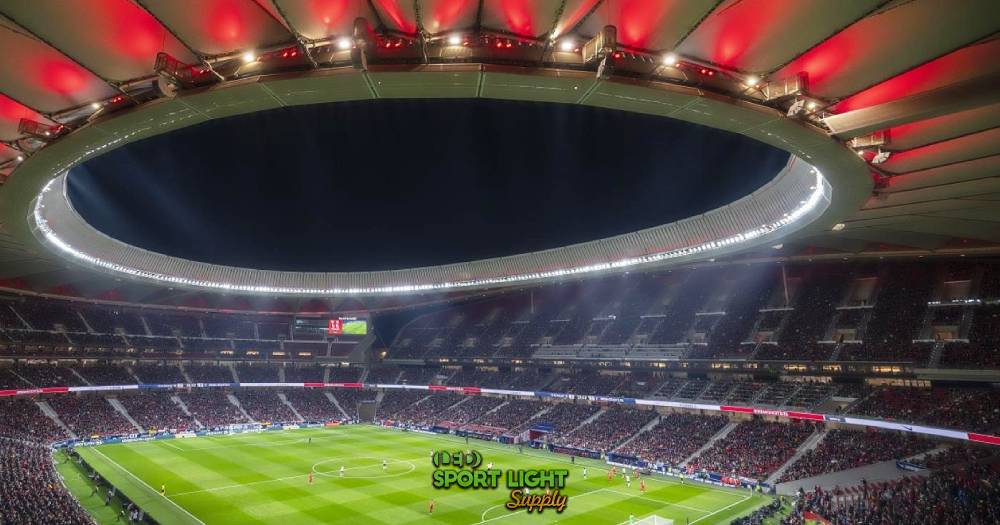
In recent years, there has been a noticeable shift toward energy-efficient solutions across various industries, including sports facilities. Soccer fields, which are often in use during evenings and nights, tend to have high electricity consumption due to the need for bright, consistent lighting. With electricity costs rising and sustainability gaining importance, sports clubs and facility managers are increasingly looking for ways to reduce their lighting-related expenses while maintaining optimal lighting quality.
An energy-efficient lighting system can drastically reduce operating costs by lowering electricity usage, maintenance costs, and even extending the lifespan of the equipment. Furthermore, more energy-efficient lighting helps reduce the carbon footprint of soccer fields, contributing to sustainability efforts in the community. As the demand for eco-friendly and cost-effective solutions grows, more options are emerging to help soccer clubs save money while providing excellent visibility for players and spectators.
Types of Energy-Efficient Lighting Technologies for Soccer Fields
| Lighting Technology | Energy Savings | Lifespan | Upfront Cost | Maintenance Requirements | Environmental Impact | Best for |
|---|---|---|---|---|---|---|
| LED Lighting | 75% less energy than traditional bulbs | 50,000 to 100,000 hours | Moderate to High | Low (long lifespan, minimal replacements) | Lower carbon footprint, reduced energy consumption | Fields requiring long hours of operation, customizable brightness |
| Induction Lighting | 30% to 50% less energy than metal halide | Up to 100,000 hours | High | Low (long lifespan, minimal flicker) | Reduced energy use, lower emissions | Consistent light quality, minimal flicker |
| Solar-Powered Lighting | Zero energy from grid | 5 to 10 years for batteries, solar panels last 20-25 years | High | Very low (minimal operational costs) | Zero emissions, reliance on renewable energy | Remote locations, eco-friendly facilities |
When selecting lighting solutions for soccer fields, various energy-efficient options provide a balance between cost savings and optimal performance. The most widely used technologies for outdoor sports lighting include LED lights, induction lights, and solar-powered systems. Each type comes with distinct advantages that cater to different needs in soccer field lighting. Their implementation can lead to substantial energy savings and improved lighting quality compared to traditional lighting solutions.
LED Lighting
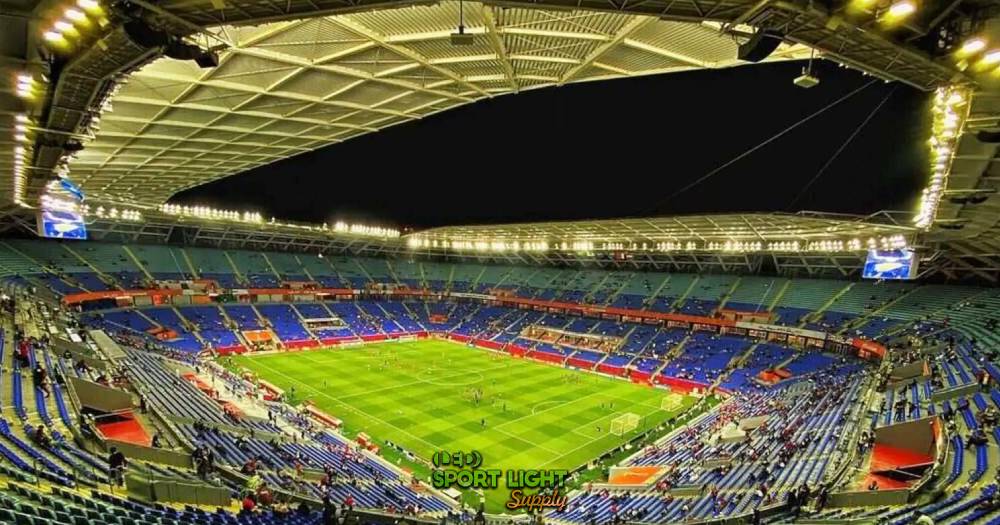
Energy Efficiency and Performance
LED (Light Emitting Diode) lights have rapidly become the lighting solution of choice for sports facilities worldwide, and soccer fields are no exception. LEDs offer remarkable energy efficiency, with an ability to convert more energy into visible light than older technologies like incandescent or halogen bulbs. For instance, LEDs use approximately 75% less energy than traditional incandescent bulbs, making them a highly cost-effective option for facilities that require long hours of operation, such as soccer fields used for evening games.
Another key benefit is the ability of LEDs to produce the same or better lighting output with significantly less power. For example, a 200-watt LED fixture can deliver the same brightness as a 400-watt metal halide fixture. This reduction in power usage translates directly into lower energy bills, providing both short-term and long-term financial savings.
Durability and Longevity
Apart from energy savings, LED lights are renowned for their durability and longevity. LED systems are typically rated for up to 50,000 to 100,000 hours of use, compared to traditional lighting that may only last 5,000 to 15,000 hours. This extended lifespan significantly reduces the frequency of bulb replacements and the associated labor costs. Soccer field managers can expect to replace LED lights far less frequently than other lighting types, minimizing downtime and maintenance disruptions.
The robust nature of LEDs also makes them less vulnerable to environmental factors such as weather conditions. They are resistant to shocks, vibrations, and extreme temperatures, ensuring reliable performance even in harsh outdoor environments. The resilience of LED lights reduces the likelihood of malfunctions, offering better long-term value.
Flexibility in Lighting Design
One of the most appealing aspects of LED lighting is its versatility. LEDs offer greater flexibility in terms of brightness and color temperature, which can be tailored to suit specific field requirements. For soccer fields, where uniform lighting is vital for player performance, LEDs are ideal because they produce consistent, high-quality light across the entire field. The ability to adjust the brightness ensures that the lights can be set to appropriate levels for various conditions, such as regular practice sessions or major nighttime matches. This adaptability also allows for adjustments based on weather conditions, providing just the right level of illumination at any given time.
In terms of energy savings, LEDs also have the potential for dimming features. Dimming the lights during low-traffic hours, such as early evenings or after matches, can provide additional savings without sacrificing the required visibility during active play. With the widespread availability of smart controllers, LED systems can be integrated into automated lighting schedules, enhancing both energy efficiency and ease of use.
Induction Lighting
Efficiency and Lifespan
Induction lighting, while not as popular as LEDs, still presents a viable energy-efficient option for soccer fields. Induction lamps are a type of fluorescent light that uses electromagnetic fields to generate light, as opposed to traditional lighting, which relies on electrodes. This unique method of operation results in higher energy efficiency, making induction lighting an excellent alternative for large outdoor spaces, such as soccer fields.
Induction lights use 30% to 50% less energy than metal halide lights, a common traditional lighting type, and have a similar, if not better, lifespan. With a typical lifespan of up to 100,000 hours, induction lights can outlast many traditional lighting systems, offering significant savings on both energy consumption and maintenance costs. Additionally, induction lamps maintain their brightness over time, unlike some older lights that may degrade in performance as they age.
Quality of Light
One of the defining features of induction lighting is its ability to deliver consistent and high-quality illumination with minimal flicker. Flickering is a common issue with traditional fluorescent lighting, which can disrupt the play experience. Induction lights, however, provide stable, continuous lighting without flicker, creating an ideal environment for soccer players and spectators alike. This consistent illumination ensures that the field is evenly lit from one corner to the other, helping improve visibility and reducing the risk of accidents.
Furthermore, the color rendering index (CRI) of induction lights is generally higher than that of older systems, providing a more accurate and vibrant color representation. This can be beneficial in sports like soccer, where precise visual cues such as ball movement and team colors play an important role in the game. Induction lighting also offers an even distribution of light, ensuring that no part of the field is left too dim or overly bright, which enhances safety and comfort for all participants.
Considerations
Despite its benefits, induction lighting is typically more expensive to install compared to LEDs. The higher upfront cost may deter some soccer field operators from choosing this option. However, the long lifespan and low maintenance requirements can offset these costs over time, making induction lighting a worthwhile investment for facilities looking to balance performance with energy savings.
Solar-Powered Lighting
Energy Independence and Environmental Impact
For soccer fields located in areas with ample sunlight, solar-powered lighting provides an environmentally friendly alternative that can completely eliminate the need for grid electricity. Solar-powered systems work by converting sunlight into electrical energy using solar panels. This energy is then stored in batteries, which power the lights during the evening or night.
In addition to reducing electricity bills, solar-powered lighting systems contribute significantly to a field’s environmental sustainability. These systems rely on renewable energy, helping to reduce the carbon footprint of the facility. By harnessing solar power, soccer fields can operate without drawing electricity from the grid, contributing to reduced dependence on fossil fuels and minimizing the environmental impact associated with electricity generation.
One of the major advantages of solar-powered systems is their ability to operate in remote locations, where extending power lines might be expensive or impractical. For rural soccer fields or those in off-the-grid locations, solar lighting eliminates the need for costly infrastructure upgrades and allows facilities to function independently. With minimal operational costs, solar-powered lighting can be an attractive long-term investment, especially in areas where grid electricity is unreliable or unavailable.
Cost Considerations
While the environmental benefits of solar-powered lighting are clear, the initial cost of installation can be significant. Solar panels, batteries, and the necessary wiring require a substantial upfront investment. However, this cost is mitigated over time by the savings on electricity bills and the reduced need for ongoing maintenance.
Solar-powered lighting systems require very little maintenance once installed. The batteries typically last for 5 to 10 years, and the solar panels are built to withstand the elements, often with warranties extending for 20 to 25 years. This makes solar-powered lighting an appealing solution for soccer fields that want to minimize operational costs in the long run.
Efficiency and Performance
Solar lighting systems are highly efficient in sunny regions, with some systems able to power large sports fields using just a few solar panels. Advances in solar technology have made these systems more reliable and efficient, with newer models capable of delivering sufficient brightness even in cloudy or overcast conditions. While solar lighting might not yet be suitable for all geographic locations, especially those with long winters or limited sunlight, it remains a highly effective solution for many soccer fields, particularly in sunny climates.
The brightness and uniformity of solar-powered lighting can vary depending on the system’s design and geographic location. Advanced systems can incorporate energy storage solutions to provide consistent illumination even on cloudy or rainy days, ensuring that the field remains lit during scheduled events.
Making the Right Choice for Soccer Field Lighting
When selecting an energy-efficient lighting system for a soccer field, factors such as cost, energy savings, installation requirements, and environmental impact must all be considered. LED lights offer the most widespread solution due to their energy efficiency, long lifespan, and flexibility. Induction lights provide a comparable energy-saving solution with slightly higher upfront costs, while solar-powered systems offer complete independence from the grid and contribute significantly to sustainability goals.
Each type of energy-efficient lighting comes with its own advantages, and the decision on which to use will depend on specific field needs, available budget, and long-term goals for energy savings and sustainability. By carefully evaluating the lighting needs of the field and considering the performance, cost, and environmental impact of each system, soccer field operators can make an informed decision that will deliver both financial and environmental benefits in the years to come.
How Energy-Efficient Lighting Benefits Soccer Fields
Switching to energy-efficient lighting brings a range of advantages to soccer fields, particularly in terms of cost reduction, environmental impact, and overall lighting quality.
Lower Operating Costs
One of the most immediate benefits of energy-efficient lighting is the reduction in electricity consumption. Traditional lighting systems often consume a large amount of power, especially during extended hours of use. By upgrading to energy-efficient options such as LEDs or induction lights, soccer fields can lower their energy bills while still providing high-quality lighting.
With lower energy consumption, the overall cost of running the lighting system decreases, which can free up resources for other aspects of field maintenance or development. Additionally, energy-efficient lighting systems tend to require less maintenance, further lowering operating costs over the long term.
Longer Lifespan and Reduced Maintenance
Energy-efficient lighting solutions tend to have a longer lifespan compared to older systems, reducing the frequency of replacements and maintenance. For example, LED lights can last up to 50,000 hours or more, significantly outlasting traditional bulbs that may need to be replaced every few years. This reduces the costs associated with both labor and materials, as well as the downtime caused by replacing faulty lights.
Furthermore, LED and induction lights are designed to withstand harsh weather conditions, reducing the risk of damage during storms or extreme temperatures. This increases the reliability of the lighting system, ensuring that soccer fields are consistently well-lit for games and practice sessions.
Enhanced Lighting Quality
The main function of lighting on a soccer field is to ensure that players can see the ball and field markings clearly during evening or night games. Energy-efficient lighting, particularly LED systems, is known for providing bright, uniform light that minimizes shadows and glare. This ensures that the field is illuminated evenly, enhancing both player performance and spectator experience.
The improved lighting quality offered by energy-efficient systems also means that the field is illuminated with greater accuracy, which can reduce accidents or injuries caused by inadequate lighting. Additionally, energy-efficient lights offer the ability to adjust brightness levels, ensuring that lighting can be tailored to specific events or needs.
Environmental Impact
The environmental benefits of energy-efficient lighting are increasingly being recognized. By using less power and reducing energy consumption, soccer fields can lower their carbon footprint. Switching to solar-powered lighting systems or adopting LED lights powered by renewable energy sources further amplifies these environmental benefits.
Reducing energy consumption not only helps conserve valuable resources but also contributes to reducing greenhouse gas emissions, aligning with broader sustainability goals within communities and organizations. Furthermore, energy-efficient lighting systems generate less heat, reducing the impact on the surrounding environment and creating a more comfortable experience for players and fans alike.
Considerations When Upgrading Soccer Field Lighting
While the benefits of energy-efficient lighting are clear, there are several factors that should be considered when upgrading a soccer field’s lighting system. Understanding these aspects can help ensure a smooth transition and maximize the advantages of new lighting technology.
Initial Investment Costs
One of the main challenges when switching to energy-efficient lighting is the upfront cost of installation. LED lights, induction systems, and solar-powered setups typically require higher initial investments compared to traditional lighting systems. However, these costs should be viewed in the context of long-term savings on energy bills and maintenance expenses. In many cases, the initial investment pays for itself over time through lower operating costs.
Compatibility with Existing Infrastructure
Before making the switch to energy-efficient lighting, it’s important to assess the compatibility of the new system with existing infrastructure. Some soccer fields may require electrical upgrades to accommodate energy-efficient lighting, which could add additional costs to the project. However, many modern energy-efficient lighting systems are designed to be compatible with existing setups, minimizing the need for extensive rewiring or other adjustments.
Lighting Design and Performance
When upgrading to energy-efficient lighting, it’s important to consider the specific lighting needs of the soccer field. Not all energy-efficient lights are designed for the same purposes, so selecting a system that provides uniform, bright light is vital. The lighting design should be carefully planned to ensure that the entire field is illuminated to a level that meets standards for gameplay and spectator visibility.
Conclusion
Energy-efficient lighting solutions offer a range of benefits for soccer fields, including reduced energy costs, improved lighting quality, and lower maintenance expenses. By switching to LEDs, induction lights, or solar-powered systems, soccer clubs and facilities can enjoy lower operating costs while maintaining optimal lighting conditions for players and spectators. With energy efficiency becoming an increasingly important consideration for sports organizations, the shift to greener lighting options is a step toward a more sustainable and cost-effective future for soccer field operations.
Adopting energy-saving strategies for soccer field lighting is a smart investment that pays dividends in the form of lower costs, higher performance, and a positive environmental impact. With the wide range of lighting technologies available, there has never been a better time for soccer fields to embrace energy-efficient solutions.