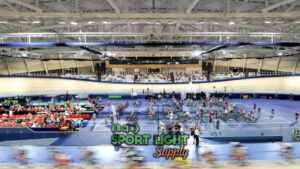

The cost of lighting a velodrome encompasses several aspects including the price of fixtures, installation, energy consumption, and maintenance. Each of these components contributes to the total investment needed to achieve suitable illumination for both athletes and spectators. Understanding how these costs are distributed and exploring ways to optimize spending can help manage budgets more effectively.
Planning a velodrome lighting system requires comprehensive design work, detailed engineering consultations, and often the use of advanced lighting simulation software. These planning efforts contribute notably to the total project budget but help ensure the lighting meets both functional needs and regulatory standards while minimizing costly errors during installation.
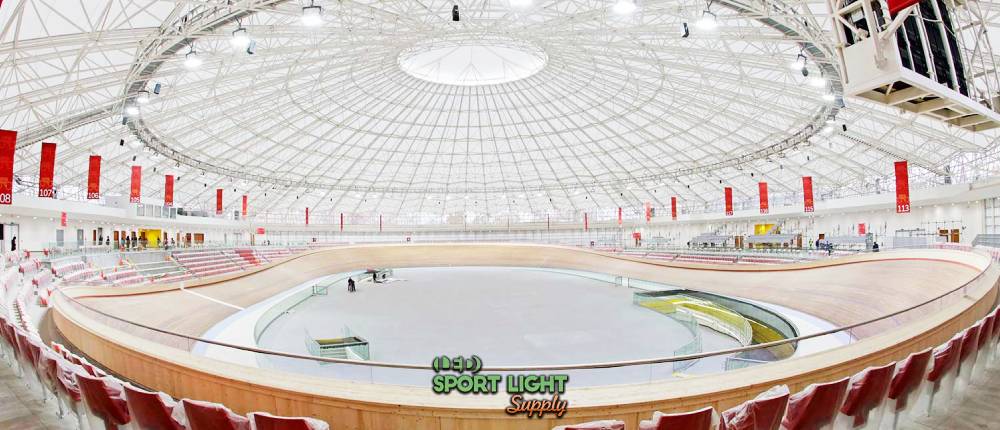
Engaging professional lighting designers typically accounts for a significant portion of planning expenses. For a complete velodrome lighting plan, design fees usually range from $5,000 to $20,000. The wide range depends on factors such as the venue’s size, complexity, and the scope of services requested. These services often include site inspections, photometric studies, fixture recommendations, control system design, and adherence to sports federation lighting requirements.
Lighting designers may also offer consultations on energy efficiency and long-term maintenance, providing valuable insight to optimize both costs and performance. A thorough design phase reduces the risk of miscalculations or oversights that can lead to expensive adjustments later on.
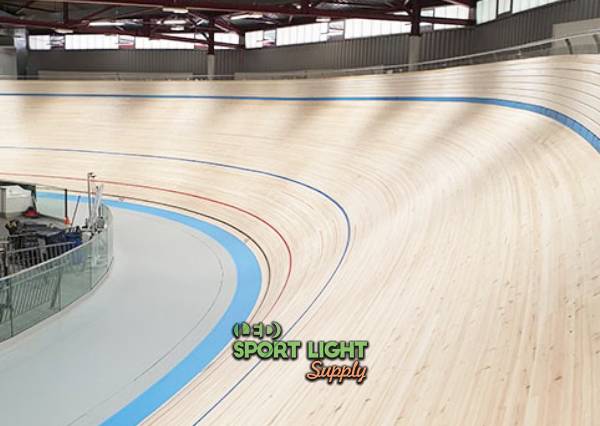 Advanced lighting projects often involve the use of 3D modeling and computer simulations to create accurate visualizations of how light will behave within the velodrome space. These simulations help identify the best fixture locations, beam angles, and brightness levels to achieve uniform lighting with minimal glare or shadows.
Investment in such software tools typically adds between $2,000 and $7,000 to the overall design fees. Despite the additional upfront cost, these simulations often allow for a reduction in the total number of fixtures required or simplify installation logistics, indirectly lowering the total project expense.
Moreover, simulation helps meet standards more reliably and reduces trial-and-error adjustments after installation, which can be costly and time-consuming.
Beyond lighting design, coordination with electrical engineers and contractors adds another layer of planning expenses. Engineering reviews usually cost between $3,000 and $10,000 depending on the complexity of the venue and any necessary electrical infrastructure upgrades.
These professionals ensure that the lighting system’s power demands integrate safely with existing electrical systems and comply with local safety codes and regulations. They may also assist with specifying circuit breakers, wiring gauges, and control system interfaces.
Proper engineering coordination helps avoid costly rework due to code violations or infrastructure inadequacies. It also streamlines installation by preparing accurate documentation and schedules for contractors.
Overall, dedicating a portion of the budget to thorough planning supports smoother execution, helps avoid expensive mistakes, and improves the efficiency of both installation and operation. While planning fees increase initial expenditures, they contribute to reducing unexpected costs and delays during the project lifecycle.
| Category | Details | Cost Range |
|---|---|---|
| LED Fixture Price Range | Cost varies by wattage, lumen output, CRI, optics, and advanced features like dimming and smart controls. | $1,000 – $2,500 per unit |
| Typical 300-Watt LED Fixture | Standard model without advanced controls; balanced brightness and energy use for most velodromes. | $1,200 – $1,500 per unit |
| High-End LED Fixtures | Includes customizable optics, enhanced thermal management, smart controls for better performance and longevity. | Up to $2,500+ per unit |
| Fixture Quantity Needed | Depends on venue size and lighting requirements; ensures uniform coverage between 800 and 1500 lux. | 50 to 80 units |
| Estimated Total Fixture Cost | Based on quantity and fixture price, varying by setup complexity and quality. | $50,000 – $200,000+ |
| Older Technology (Metal Halide, HPS) | Lower upfront cost but shorter lifespan and higher energy consumption increase operational costs. | $300 – $700 per unit |
| Operational Savings with LEDs | Reduced energy use and maintenance extend overall cost savings over 10–15 years despite higher initial price. | Variable, typically offsets higher upfront cost |
| Bulk Purchase Discounts | Package deals can reduce per-fixture cost by approximately 10–20%. | Discount applied on listed prices |
The cost of lighting fixtures forms one of the largest components of the overall velodrome lighting budget. High-quality LED fixtures specifically designed for sports venues are increasingly favored because of their energy efficiency, long operational life, and superior quality of light output. However, these benefits come with a higher initial purchase price compared to older lighting technologies such as metal halide or high-pressure sodium (HPS) lamps. The upfront fixture expense often requires careful budgeting as it can significantly influence the total project cost.
LED fixtures designed specifically for velodrome lighting usually fall within a price range of $1,000 to $2,500 per unit. This range reflects various technical and performance factors that influence the final cost. Buyers should consider these factors carefully because they affect both the initial investment and the long-term operating expenses of the lighting system.
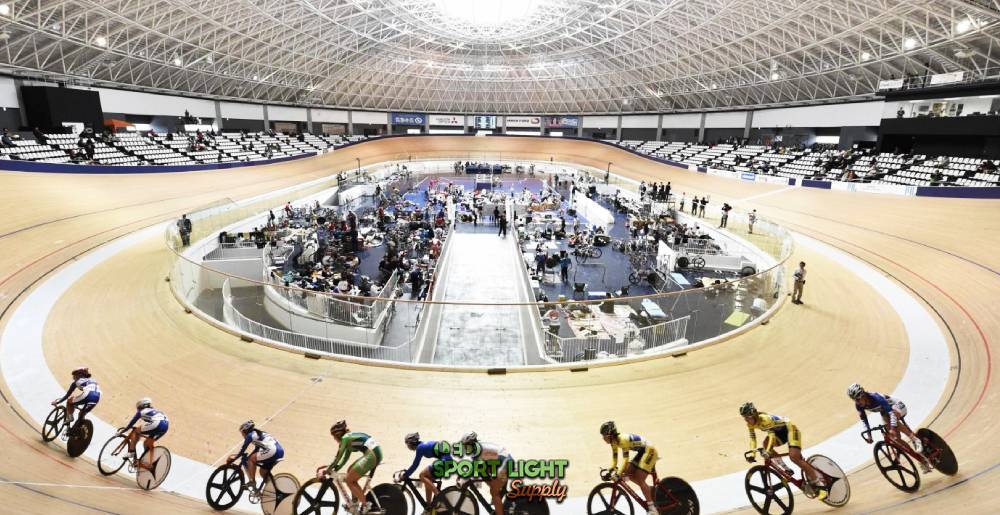
One major factor affecting fixture cost is the wattage rating. Fixtures with higher wattage typically deliver greater lumen output, which is necessary to meet the intense lighting requirements of competitive cycling tracks. For example, a 300-watt LED fixture might be adequate for many velodromes, offering balanced brightness and energy consumption. In contrast, fixtures with 400 watts or more can provide higher lumen output, better suited for larger venues or areas requiring exceptionally high illuminance, but they come at a premium price.
The Color Rendering Index (CRI) also influences cost. Fixtures with a CRI above 80, which ensure accurate color perception and vibrant visuals, tend to be priced higher than those with lower CRI ratings. This is important for velodromes where color accuracy affects visibility for athletes, officials, and spectators.
Additional features such as dimming capabilities, integrated smart controls, and specialized optics designed to minimize glare and optimize light distribution increase the price of fixtures. Dimming functions allow for flexible lighting levels during different events or practice sessions, contributing to energy savings and enhanced user experience but adding to fixture complexity and cost.
Smart controls integrated within LED fixtures can enable remote management, scheduling, and fault detection. These systems can reduce maintenance expenses and operational inefficiencies but typically increase the unit price. Similarly, optics that precisely control beam angles and reduce light spill can improve uniformity and comfort but may raise fixture costs due to more intricate design and manufacturing processes.
For context, a standard 300-watt LED fixture without advanced controls usually costs around $1,200 to $1,500 per unit. In contrast, units equipped with customizable optics, enhanced thermal management systems to prolong lifespan, and smart control capabilities can cost upwards of $2,500 each. While these higher-end fixtures require greater initial investment, their features can lead to long-term operational savings and improved lighting quality, making them attractive for venues aiming for top performance and efficiency.
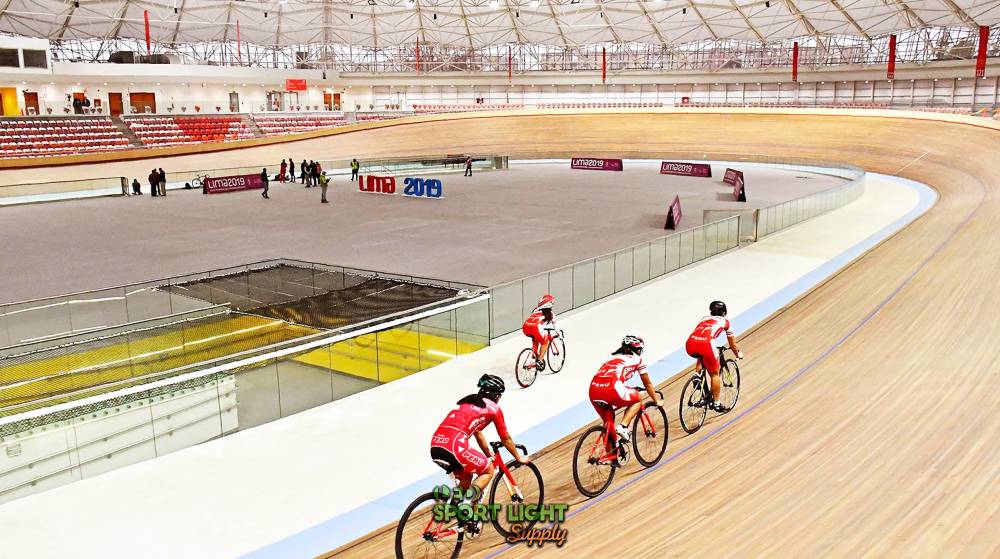
The number of fixtures required depends on factors such as the velodrome’s size, ceiling height, mounting configuration, and the target illuminance level. Competitive cycling events typically require lighting levels between 800 and 1500 lux, necessitating a sufficient number of well-placed fixtures to achieve uniform coverage without shadows or glare.
Indoor velodromes commonly use between 50 and 80 fixtures to ensure consistent lighting. This translates to fixture costs ranging from about $50,000 on the lower end (50 fixtures at $1,000 each) to over $200,000 for more premium or extensive setups (80 fixtures at $2,500 each). Budgeting for these quantities early helps balance fixture quality with total expenditure.
Fixtures based on older technologies, such as metal halide lamps, generally have lower upfront costs, often between $300 and $700 per unit. While these prices may appear attractive initially, these lamps tend to have shorter lifespans—typically around 15,000 to 20,000 hours—and consume more power. Their energy inefficiency and frequent replacements increase operational and maintenance costs over time, which may exceed the initial savings.
Investing in LED fixtures with higher initial costs offers advantages including lower energy consumption and reduced maintenance frequency. These factors improve the overall financial outlook when evaluated over a 10- to 15-year period. In addition, LEDs provide better control over light quality and distribution, which can enhance the atmosphere for athletes and spectators, indirectly benefiting venue reputation and event quality.
Bulk purchasing or package deals are sometimes available for large projects, potentially lowering per-fixture costs by 10 to 20 percent. Including warranties and reliable after-sales service in purchase agreements can also affect the total cost and help secure long-term reliability, protecting the investment against early failures or performance degradation.
| Cost Category | Description | Estimated Cost Range (USD) |
|---|---|---|
| Labor Costs and Specialized Skills | Technicians with expertise in velodrome lighting install fixtures considering unique architectural features, steep banking, and precise aiming to avoid glare and shadows. | $20,000 – $60,000 |
| Mounting Hardware and Structural Supports | Brackets, poles, trusses, and custom mounting solutions required to secure fixtures at correct angles and heights, especially for venues with unique designs. | $15,000 – $50,000 |
| Electrical Wiring and System Upgrades | Upgrading circuit panels, wiring, surge protection, grounding, and dedicated power lines to meet safety standards and support higher LED loads. | $10,000 – $30,000 |
| Integration with Control Systems | Installation of dimmers, timers, and smart lighting management for flexible, energy-efficient operation. | $5,000 – $15,000 |
| Total Installation and Infrastructure Expenses | Combined costs often constitute a major portion of the lighting project budget, reflecting labor, mounting, electrical, and control system costs. | $50,000 – $150,000 |
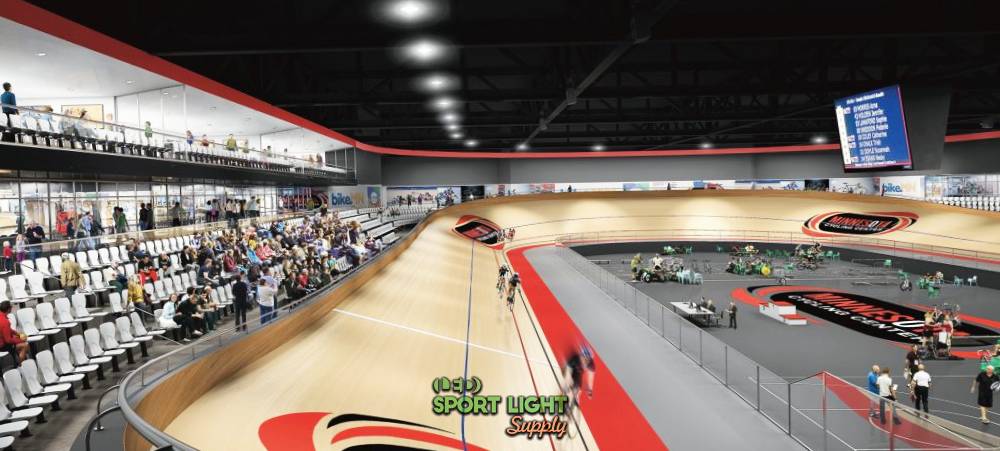
Installation and infrastructure expenses form a considerable part of the total cost when outfitting a velodrome with modern lighting systems. These costs include the labor required for mounting fixtures, the hardware and support structures necessary to secure them, electrical wiring, and any upgrades needed to the venue’s power systems. Because velodromes often feature unique architectural elements and demanding lighting specifications, the complexity of installation can vary widely, affecting the final cost.
Installing lighting in a velodrome is a demanding task that requires technicians with specialized expertise. Unlike typical lighting installations, velodrome lighting must accommodate unique architectural features such as sharply banked cycling tracks, limited ceiling heights, and the need for perfectly even illumination. These factors call for highly skilled professionals who understand how to place fixtures to avoid shadows and glare that could affect athletes’ performance or spectator experience.
The steep banking of the track complicates access for installers and requires careful planning of mounting positions. Technicians often work with elevated platforms or specialized lifts designed to navigate curved or angled surfaces. This adds time and complexity to the job, increasing labor hours compared to standard flat-surface installations. The confined indoor environment also demands strict adherence to safety protocols, which can further extend labor requirements and costs.
Velodrome lighting requires exact positioning and aiming of fixtures to ensure uniform light distribution. This precision work often involves iterative adjustments, photometric testing, and collaboration between lighting designers and installers during the process. Because of these additional steps, installers must possess not only technical skill but also experience in sports lighting projects. As a result, labor costs for such specialized services typically range from $20,000 to $60,000, depending on project scale and geographic location.
Mounting hardware includes brackets, poles, trusses, and custom fixtures to hold lighting units securely at the correct angles and heights. Velodromes with unique designs may require bespoke mounting solutions, which increases material and fabrication costs. For large indoor arenas, mounting and support structures often contribute between $15,000 and $50,000 to the overall installation budget.
Modern LED lighting installations for velodromes often require significant updates to the existing electrical infrastructure to safely handle the increased electrical load and to comply with current safety standards. These upgrades are critical to maintaining reliable operation and protecting both the lighting equipment and the venue’s overall electrical system.
The scope of electrical upgrades generally includes replacing or upgrading circuit panels to accommodate higher amperage demands posed by powerful LED fixtures. This may involve installing new breakers, distribution boards, and ensuring the panels have sufficient capacity for future expansions or additional equipment.
Electrical wiring must be updated or replaced to meet current electrical codes and safety regulations. This includes installing wiring capable of handling the increased load without overheating or voltage drops, and using materials rated for long-term durability in indoor sports environments. Special attention is often given to wiring routes to minimize interference with other systems and to protect cables from physical damage.
Surge protection devices are typically incorporated to safeguard sensitive LED drivers and control systems from voltage spikes caused by lightning strikes or grid fluctuations. Proper grounding and bonding practices are also implemented to enhance electrical safety.
Dedicated power lines and circuits are installed to isolate the lighting system from other electrical loads, which improves reliability and allows for easier troubleshooting and maintenance. These dedicated lines often integrate with advanced lighting control systems, enabling dimming and scheduling capabilities.
Depending on the size of the velodrome, the condition of the existing electrical infrastructure, and local labor and material costs, the total expense for electrical wiring and system upgrades generally ranges from $10,000 to $30,000. While this is a substantial investment, it ensures compliance with safety standards and supports the efficient operation of modern LED lighting systems.
Installation may also include integrating lighting controls such as dimmers, timers, and smart management systems. These systems allow precise control over lighting levels, which can improve energy efficiency and operational flexibility. Adding control infrastructure can cost an additional $5,000 to $15,000 depending on the complexity and technology level chosen.
In total, installation and infrastructure expenses often represent 25 to 40 percent of the overall lighting project budget, typically ranging from $50,000 to $150,000. Factoring these costs early during project planning helps balance fixture quality, installation complexity, and budget to ensure successful implementation.
| Cost Element | Traditional Lighting | LED Lighting | Difference / Savings |
|---|---|---|---|
| Annual Energy Consumption | 100,000 kWh | 40,000–60,000 kWh | Reduction of 40%–60% |
| Annual Energy Cost (@ $0.15/kWh) | $15,000 | $6,000–$9,000 | $6,000–$9,000 saved |
| Annual Energy Cost (@ $0.22/kWh) | $22,000 | $8,800–$13,200 | $8,800–$13,200 saved |
| Estimated Savings Over 10 Years | – | – | $50,000+ (even at low energy rates) |
| Lighting Fixture Lifespan | 15,000–20,000 hrs | 50,000+ hrs | 2–3× longer lifespan |
| Maintenance Frequency | High (frequent replacements) | Low (infrequent servicing) | Lower labor and parts cost |
Energy usage represents a continuous expense that heavily influences the long-term financial commitment associated with velodrome lighting systems. Modern LED lighting technology has transformed the energy profile of sports venues by delivering substantial efficiency improvements compared to conventional lighting types such as metal halide or high-pressure sodium lamps. This shift not only reduces operational costs but also supports sustainability goals and environmental responsibility for venue operators.
LED lighting systems are widely recognized for their superior energy efficiency compared to traditional lighting technologies such as metal halide and high-pressure sodium lamps. This advantage is particularly evident in sports venues like velodromes, where high-quality, uniform illumination is essential but energy costs can quickly accumulate due to extensive usage hours.
At the core of LED efficiency is the advanced semiconductor technology that converts electrical energy into visible light with minimal waste. Unlike conventional lamps that rely on heating a filament or exciting gas, LEDs use electroluminescence, which produces light directly from the semiconductor material. This process results in much higher luminous efficacy, meaning more light output per watt of power consumed.
LED fixtures used in velodromes benefit from carefully engineered optics that focus and direct light exactly where it is needed. These optics reduce wasted light spill and glare, allowing venues to achieve target illuminance levels with fewer lumens and lower wattage. By concentrating illumination on the track and spectator areas, the system maximizes usable light, enhancing efficiency and overall lighting quality.
Efficient thermal management is another factor that supports LED energy performance. LEDs generate heat differently than traditional lamps and require specialized heat sinks and cooling systems to maintain optimal operating temperatures. Effective thermal design prolongs LED lifespan and maintains consistent light output, ensuring the fixtures do not consume excess power due to overheating or degradation.
One of the notable features of LED lighting is the ability to dim fixtures smoothly without altering the light quality or color temperature. This functionality enables velodrome operators to adjust lighting levels for different uses—such as practice sessions, events, or maintenance periods—significantly lowering energy consumption during off-peak times. Unlike older technologies, which often flicker or change color when dimmed, LEDs maintain consistent performance, making dimming a practical energy-saving strategy.
LED fixtures maintain their efficiency better over their operational life compared to traditional lamps, which tend to lose lumen output and consume more power as they age. This stability means that LED lighting systems continue to operate at high efficiency for many years, reducing the need for frequent upgrades or replacements and ensuring sustained energy savings throughout the lifecycle of the installation.
To understand the impact of lighting energy use, consider a velodrome lighting system that consumes around 20 kilowatts (kW) during operation. If the system runs for approximately 5,000 hours per year—a common figure for busy indoor sports facilities—the total annual energy consumption would be around 100,000 kilowatt-hours (kWh). Converting to LED lighting could reduce this consumption to between 40,000 and 60,000 kWh per year, depending on fixture specifications, layout, and control strategies.
One of the most measurable benefits of transitioning to LED lighting in velodromes is the substantial reduction in electricity expenses. Because LEDs consume far less power than traditional lighting technologies, the operational cost of keeping a velodrome brightly lit throughout the year becomes considerably more manageable. These savings accumulate over time, delivering consistent financial relief for venue operators and enabling reinvestment in other facility needs or programming.
To illustrate the potential for energy bill savings, consider a velodrome lighting system that previously used 20 kilowatts (kW) of power under a traditional setup and ran for about 5,000 hours per year. At an electricity rate of $0.15 per kilowatt-hour (kWh), this amounts to $15,000 annually in energy costs. By switching to an LED system that uses 40 to 60 percent less energy, the venue could reduce its usage to approximately 8,000 to 12,000 kWh, lowering annual costs to just $6,000 to $9,000. This represents yearly savings of $6,000 to $9,000—or more in areas where electricity prices are higher.
Velodromes located in regions with elevated electricity tariffs stand to gain the most from LED conversion. In parts of the United States or Europe where commercial electricity rates can exceed $0.20 per kWh, the financial return accelerates significantly. For instance, in a region with $0.22 per kWh, the same reduction in energy consumption could yield $11,000 to $13,000 in annual savings, potentially recovering the initial cost of LED fixture installation within just three to five years.
Even in locations with lower energy costs, the long-term return on investment remains compelling. Over a 10-year period, a facility that saves just $5,000 annually on electricity will have accumulated $50,000 in avoided expenses—more than offsetting the higher upfront price of LED systems while continuing to provide improved lighting performance and reliability.
While reduced energy consumption is the most visible contributor to lower running costs, several other elements also influence the long-term financial efficiency of velodrome lighting systems. These include smart lighting controls, reduced maintenance needs, and environmental conditions that impact system performance and durability. Optimizing these aspects can result in even greater savings and ensure consistent lighting quality over time.
Advanced lighting controls significantly enhance energy efficiency by ensuring that lights operate only when needed and at the appropriate intensity. Features such as occupancy sensors automatically dim or shut off lights in unused sections of the velodrome, preventing unnecessary energy use. Programmable dimming schedules allow operators to set lighting levels based on time of day or event type—using full brightness during competitions and lower levels during practice sessions or cleaning hours.
Remote monitoring systems provide facility managers with real-time data on fixture performance and energy consumption. This allows for proactive adjustments and troubleshooting, further improving operational efficiency. These intelligent control mechanisms not only trim electricity bills but also help extend fixture lifespan by avoiding constant full-capacity operation.
LED fixtures are renowned for their long operational life—often exceeding 50,000 hours of use—which drastically reduces the frequency of replacements compared to older technologies. Metal halide or high-pressure sodium lamps typically require replacement every 15,000 to 20,000 hours and often degrade in brightness long before their rated end of life. This results in repeated maintenance tasks and additional labor costs.
In contrast, the durability and stable output of LED systems minimize service disruptions and reduce the number of labor hours spent on re-lamping and fixture calibration. This is particularly beneficial in velodromes, where fixture access can be logistically complex due to high mounting points and curved track layouts. Less frequent maintenance not only lowers costs but also minimizes downtime and enhances venue availability.
Taken together, these additional factors contribute meaningfully to the overall cost-effectiveness of modern velodrome lighting systems. When implemented thoughtfully, smart controls, reduced maintenance demands, and environmental adaptations combine with energy efficiency to create a lighting solution that performs reliably and economically for years to come.
Lower energy consumption also means reduced carbon emissions for venues powered by fossil-fuel-based electricity. Switching to LEDs supports environmental sustainability initiatives, helping velodromes minimize their ecological footprint while potentially qualifying for energy efficiency incentives or rebates offered by utility companies or government programs.
| Cost Factor | LED Lighting | Traditional Lighting (Metal Halide, HPS) |
|---|---|---|
| Fixture Lifespan | 50,000 – 100,000 hours | 15,000 – 20,000 hours |
| Replacement Frequency | Every 10–20 years (depending on use) | Every 3–5 years |
| Labor Hours for Maintenance | Significantly reduced due to longer lifespan | Higher due to frequent replacements |
| Access Equipment Rental | Infrequent; lower cumulative cost | Frequent; higher cumulative cost |
| Disruption to Events | Minimal due to low maintenance needs | More frequent disruptions for service access |
| Contingency Budget Recommendation | 5% – 10% of initial LED system cost (for faults/repairs) | Not specified; typically higher due to more frequent failures |
| Smart Control Maintenance | Occasional software/hardware updates over 10–15 years | Rare or not applicable |
| Environmental Resilience | Better sealed and more durable | More susceptible to humidity, dust, and corrosion |
Ongoing maintenance plays a substantial role in the total cost of ownership for velodrome lighting systems. These expenses extend beyond occasional bulb replacement and encompass routine fixture cleaning, re-aiming lights, checking wiring and control systems, and conducting structural inspections of mounts or support hardware. Over time, these recurring tasks can become costly—particularly in facilities that rely on older lighting technologies. However, the shift toward LED-based systems has dramatically altered the cost dynamics of long-term lighting maintenance.
LED fixtures provide a distinct advantage over traditional lighting types when it comes to longevity. Standard LED sports lights often have rated operational lifespans of 50,000 to 100,000 hours, depending on their thermal management, usage patterns, and quality of components. In contrast, older metal halide or high-pressure sodium lamps may require replacement after just 15,000 to 20,000 hours of use—and often degrade well before reaching that threshold.
The extended lifespan of LED fixtures translates to fewer disruptions, lower parts expenditure, and reduced reliance on maintenance crews. For velodromes that operate on a daily schedule, minimizing the need to access and replace lights that are installed at significant heights or challenging angles can save thousands of dollars in lift equipment, scaffolding, and technician time. The longer operating life also contributes to consistent lighting quality over many years, enhancing the experience for both athletes and spectators.
Performing maintenance inside a velodrome introduces unique logistical considerations. The steeply banked track and elevated mounting points make it difficult to reach lighting fixtures safely and efficiently. In many cases, accessing overhead lights may require specialized lift equipment, mobile scaffolding, or suspended catwalk systems. These solutions, while effective, significantly increase the complexity, duration, and cost of even basic servicing tasks. The curved architecture of the track and high ceiling profiles further complicate maneuvering equipment, demanding careful planning to avoid damage or safety hazards.
Reducing the frequency of these interventions by choosing high-quality, durable lighting equipment is one of the most effective ways to cut labor costs over the life of the system. Fewer maintenance cycles mean fewer logistical headaches, especially in multi-use venues where coordinating schedules for facility downtime is already a challenge.
Because LED fixtures require less frequent replacement, facilities can allocate maintenance labor toward less time-sensitive or disruptive work. Fewer service visits mean fewer hours spent renting equipment or securing safety access. Over time, these operational efficiencies reduce both direct expenditures and indirect costs such as lost usage time or rescheduled events. In facilities that rely on union labor or contracted service crews, the cost differential becomes even more pronounced over time, reinforcing the long-term savings benefits of LED installation.
Maintenance tasks that require downtime can interfere with training schedules, ticketed events, and broadcasting commitments. For professional or community-focused velodromes, this lost availability translates to lost revenue or reduced community access. The reduced need for lighting system interventions with LEDs helps preserve facility uptime and ensures that lighting issues are not a cause of event delays or cancellations. Planning fewer disruptions helps maintain a reliable public image and supports better usage planning.
Accessing lighting systems in high-ceiling environments requires specialized lifts or mobile platforms, which often must be rented on an hourly or daily basis. In some cases, structural restrictions prevent large equipment from being used, forcing crews to resort to more labor-intensive solutions like scaffolding. These alternatives are not only time-consuming but also increase risk exposure and insurance requirements. Reducing the need for these interventions directly lowers operational costs and avoids delays associated with lengthy setup and takedown procedures.
Working at height introduces occupational hazards that must be carefully managed through training, supervision, and equipment safeguards. By minimizing the frequency of fixture access, LED systems inherently reduce the opportunities for accidents or injury. Fewer work-at-height tasks lead to lower risk exposure for maintenance staff and lower liability costs for venue operators. Over time, this translates to fewer insurance claims, more predictable budgets, and better compliance with workplace safety regulations.
Managing labor and access challenges with a strategic investment in long-lifespan LED lighting significantly reduces the total maintenance burden. By streamlining operations, improving worker safety, and protecting event schedules, LED systems allow velodromes to deliver consistent lighting performance with far less operational disruption.
Although indoor velodromes are protected from rain, snow, and UV radiation, they are still subject to environmental factors that affect lighting infrastructure. Temperature fluctuations, ambient humidity, and condensation can slowly degrade electrical components and lead to corrosion or premature wear. Dust accumulation on lenses or reflectors can also reduce light output if fixtures are not cleaned regularly.
To protect against environmental wear, venue operators typically implement scheduled inspections of fixtures and support systems. Tasks may include cleaning lenses, tightening mounting hardware, testing emergency circuits, and recalibrating dimming or control functions. LED systems generally hold up better under such conditions due to their sealed designs and robust construction, yet occasional issues still arise.
Modern velodrome lighting systems often include smart control features such as programmable dimming, scene presets, occupancy sensors, and real-time performance monitoring. While these tools improve energy efficiency and flexibility, they also introduce electronic components that require upkeep. Over a 10- to 15-year span, facilities should expect to budget for occasional software updates, controller replacements, or network troubleshooting.
Even with durable LED systems, faults can occur—such as power surges, driver failures, or control unit malfunctions. Allocating a contingency budget helps avoid extended outages or performance lapses that can impact training schedules or televised events. For large facilities, setting aside 5% to 10% of the initial lighting investment as a maintenance reserve is a common practice to ensure uninterrupted operation.
While LED lighting systems carry a higher upfront cost, their durability, efficiency, and low maintenance requirements create long-term financial advantages. By reducing the frequency and complexity of service needs, velodrome operators can realize tangible savings while maintaining a high-performance lighting environment for years to come.
One of the most effective ways to reduce velodrome lighting costs is to transition to high-efficiency LED lighting systems. While LED fixtures often require a higher upfront investment compared to traditional metal halide or high-pressure sodium lamps, the long-term financial benefits are considerable. LEDs consume far less electricity, produce more lumens per watt, and offer lifespans that frequently exceed 50,000 to 100,000 hours. This means fewer replacements, reduced labor, and lower overall maintenance costs across the system’s lifespan. Facilities that operate continuously throughout the year will see these advantages compound quickly, resulting in measurable financial relief.
LED systems are also less prone to lumen depreciation and color shifting over time, ensuring consistent lighting quality without needing frequent adjustments or upgrades. Their superior thermal management also supports stable operation, reducing the risk of overheating or fixture failure in high-use environments.
Integrating advanced lighting controls can further enhance cost efficiency. Automated systems equipped with dimming capabilities, motion detection, and programmable scheduling help velodrome operators reduce unnecessary power usage. For example, during non-competitive hours or routine facility maintenance, the lighting can be automatically dimmed to lower levels, conserving energy without compromising safety.
Zone-specific control is another valuable feature. By dividing the velodrome into lighting zones—such as track, infield, and spectator areas—facilities can illuminate only the sections in use, thereby saving energy during less intensive operations. Remote monitoring tools also allow maintenance personnel to track system performance in real time and make informed decisions to maintain efficiency and avoid outages.
Although these smart systems may raise initial costs, they typically pay for themselves through reduced energy bills and improved operational flexibility. Furthermore, government or utility incentives are sometimes available for facilities adopting energy-saving technologies, which can partially offset the investment.
Cost-effective lighting begins with thoughtful design. Over-lighting a velodrome can result in excessive power consumption, higher capital expenditure, and greater long-term maintenance demands. To avoid this, facilities should use professional lighting design software to simulate optimal fixture placement and ensure appropriate coverage levels based on intended use—whether for community events, professional competitions, or broadcast-quality requirements.
Using precision-engineered optics and directional fixtures can also minimize light waste and ensure uniform illumination across the track surface. This strategy reduces the number of lights needed and streamlines the wiring and support infrastructure.
Alongside efficient design, implementing a preventive maintenance plan is key. Regular fixture cleaning, lens inspection, and minor repairs help preserve lighting performance and delay large-scale replacements. Training staff to properly manage and monitor the lighting system can minimize damage caused by improper use, electrical surges, or poor handling. In the long run, these practices reduce emergency service calls, increase fixture reliability, and prolong the useful life of the entire lighting installation.
| Cost Category | Conventional System | LED System (with Smart Controls) |
|---|---|---|
| Initial Fixture Cost | $50,000 – $150,000 | $65,000 – $200,000 |
| Installation & Infrastructure | $50,000 – $150,000 | $55,000 – $170,000 |
| Annual Energy & Maintenance Cost | $10,000 – $30,000 | $5,000 – $15,000 |
| Smart Control Upgrade Impact | Not Applicable | +10% to 15% of installation cost |
| 15-Year Lifecycle Cost | $400,000 (est.) | $315,000 (est.) |
| Potential Long-Term Savings | — | $85,000+ |
| Operational Disruption Risk | Higher (frequent maintenance) | Lower (minimal service needs) |
For a typical mid-sized velodrome, lighting-related capital expenses can represent a substantial portion of the overall facility budget. Initial costs often begin with the purchase of fixtures, which can range from $50,000 to $200,000 depending on the quality, number, and type of lights chosen. High-performance LED sports lighting systems with features such as glare shielding, tunable color temperatures, and integrated controls tend to sit at the upper end of this range.
Beyond fixture costs, installation and electrical infrastructure contribute an additional $50,000 to $150,000. This includes the cost of labor, mounting structures, cabling, load distribution panels, and possibly retrofitting older systems to support modern technology. Complex layouts—especially those involving suspended lighting or hard-to-access areas—require additional planning and lift equipment, which drive up installation expenses further.
Once installed, lighting systems generate recurring costs related to electricity consumption and maintenance. In a well-used indoor velodrome, these operational expenses might range between $10,000 and $30,000 annually. Energy costs alone depend on the wattage of the fixtures and the number of hours they are in use each week. For instance, a velodrome operating lighting for 40 hours per week at an average electricity rate of $0.12 per kWh could spend over $12,000 per year on energy for a traditional lighting system.
LED systems, with their improved energy efficiency, can often cut electricity usage by 50% or more. This means the same velodrome could reduce its annual energy bill to approximately $6,000 to $8,000, depending on lighting usage patterns and control strategies.
Opting for LED technology typically adds 20% to 30% to the upfront cost compared to traditional lighting solutions. For a $150,000 lighting project using conventional fixtures, an LED-based version might cost $180,000 to $195,000. Despite this increase, the investment yields considerable returns over time. Lower electricity consumption, fewer replacement parts, and reduced labor all contribute to a lower total cost of ownership.
Incorporating advanced smart lighting controls—such as occupancy sensors, dimmable zones, or daylight integration—can raise installation costs by an additional 10% to 15%. However, these features further enhance the efficiency and adaptability of the system. Facilities with variable usage schedules can reduce unnecessary lighting during low-traffic hours or limit lighting to areas currently in use, which maximizes savings without compromising safety or visibility.
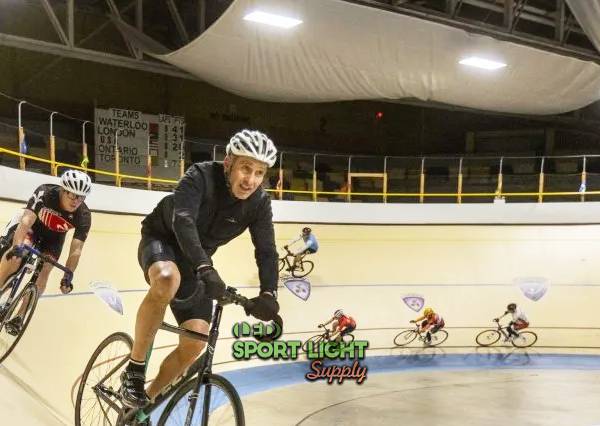 When budgeting for velodrome lighting, it’s more accurate to focus on lifecycle costs instead of initial purchase prices. For example, a conventional system costing $150,000 may accrue $250,000 in energy and maintenance expenses over 15 years, totaling $400,000. An LED system that costs $195,000 initially might only accrue $120,000 in operating costs over the same period, resulting in a lower total cost of $315,000.
This $85,000 difference represents more than 20% in total savings, not including the potential for utility rebates or sustainability incentives available in some regions. Additionally, the reduced frequency of maintenance interventions helps prevent operational disruptions, preserves event schedules, and lowers insurance and liability risks related to maintenance activities at height.
By investing wisely at the outset—prioritizing efficient fixtures, smart controls, and thoughtful installation—velodrome operators can secure long-term financial stability, improve lighting performance, and enhance the user experience across training, competition, and public use scenarios.
Understanding the cost structure of velodrome lighting highlights where investments create the greatest financial impact. While fixture and installation costs form the largest upfront expenses, energy consumption and maintenance contribute to ongoing budget considerations.
Investing in efficient LED fixtures and smart control systems can provide substantial savings on electricity and reduce replacement frequency, helping balance initial expenses with lower long-term costs. Attention to installation details and proper maintenance schedules further protects this investment.
By focusing on total cost of ownership and adopting energy-saving technologies and practices, velodrome operators can manage expenses more effectively while maintaining the lighting quality required for safe and engaging cycling events.