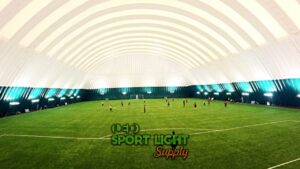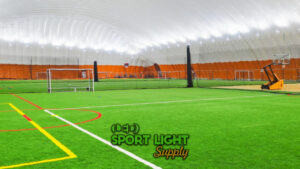

Lighting in sports domes serves more than the functional purpose of visibility. It supports athlete performance, enhances spectator experience, and plays a role in venue versatility. The financial scope tied to dome lighting spans beyond the initial purchase. To fully grasp the expenses involved, one must consider the full lifecycle—from the first equipment purchase to ongoing utility costs, periodic upgrades, and even funding opportunities.
| Category | Details | Estimated Cost or Value |
|---|---|---|
| Mid-Sized Dome Fixture Cost | Varies by brand, wattage, optics, and certification | Several thousand to hundreds of thousands (USD) |
| Single-Sport Dome Example | 24 LED floodlights, 40,000 lumens each | $80,000 – $120,000 (system cost including installation) |
| Multi-Use Dome Example | Tunable white, CRI >90, full dimming features | $150,000 – $250,000 (system cost) |
| Fixture Aesthetic Customization | Powder coating or finish to match dome architecture | 5% – 10% increase per fixture |
| Compliance & Certification | Includes DLC, LEED, BREEAM, UL, CE, IEC, etc. | Additional 5% – 15% of total lighting budget |
| Custom Testing or Validation | Required for non-standard or high-performance installations | Several thousand (USD) in extra services |
The choice between traditional lighting systems and LED-based solutions marks the foundation of any sports dome lighting investment. While halide fixtures and fluorescent lamps still exist in older facilities, most new developments or upgrades now favor LEDs. Their ability to deliver consistent light output with reduced energy use makes them a preferred selection. Unlike halide fixtures that often require warm-up times and offer limited dimming flexibility, LEDs respond instantly, adapt better to different activities, and support advanced digital control systems.
However, the initial price point for LED systems can appear higher at first glance. The actual cost-effectiveness is revealed through longer life cycles and lower replacement frequency. Facility managers also benefit from more consistent brightness and color quality across fixtures. In dome environments where visibility can affect both player performance and audience experience, LEDs offer a distinct advantage. The initial financial commitment should therefore be evaluated in the context of how each system performs over several years, rather than just up-front expenditure.
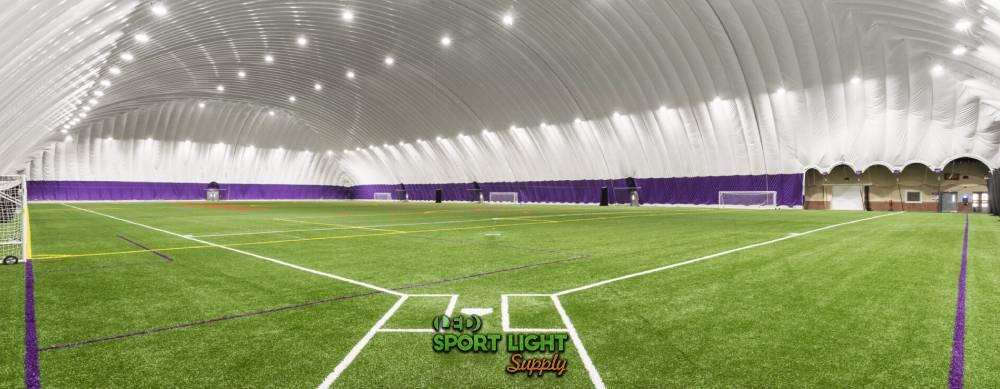
Every sports dome presents a distinct set of spatial variables that directly influence the type of lighting system required. These variables range from structural height and shape to the reflectivity of surfaces and intended activities within the dome. Lighting solutions that ignore these physical nuances often result in poor visibility, uneven light distribution, or overuse of energy. Performance specifications must therefore be selected with a full understanding of both spatial and operational demands.
The height of the dome ceiling is a major factor in fixture performance. Domes under 10 meters in height can often accommodate mid-powered LED fixtures mounted directly on trusses or crossbars. However, in domes reaching 15 to 30 meters—common in multi-sport and semi-professional venues—only high-powered floodlights or precision beam LEDs can effectively deliver the required luminance.
For instance, a dome with a 24-meter ceiling hosting indoor tennis and football may require fixtures outputting 40,000 to 60,000 lumens each, spaced across 8 to 12 mounting points. At this height, beam angle becomes critical; narrow beam optics (15° to 30°) are needed to maintain floor-level illuminance above 500 lux, especially when minimizing wasted light on upper walls or ceilings.
The layout of courts, fields, or modular partitions inside the dome also informs fixture specification. A dome that switches between full-court basketball, badminton lanes, and indoor football requires flexible zoning. In such cases, LED systems with individually addressable drivers are favored, allowing selective control over fixture groups to adjust to different field configurations.
A multi-zone dome spanning 80 meters by 50 meters may divide into six playing areas, each with a different lux requirement. Basketball might need 750 lux, while recreational futsal can operate comfortably with 300 lux. Fixtures must be selected not just by brightness capacity but by how well they dim, respond to control protocols like DALI or DMX, and eliminate shadows when zones are partially lit.
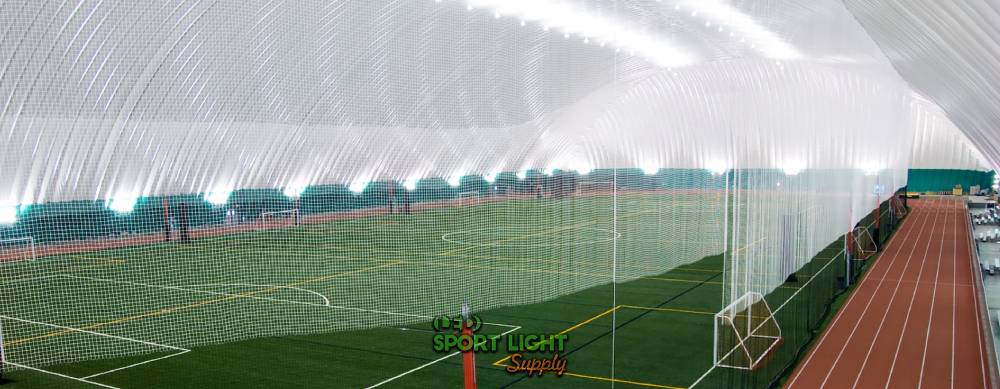
Lighting uniformity is measured as the ratio between minimum and average lux levels across the playing surface. Most competitive facilities aim for a uniformity ratio above 0.6. Failing to meet this standard can create dark spots that impact ball tracking, athlete performance, and visual comfort.
Beam shapes—classified as symmetrical or asymmetrical—determine how light is projected. Asymmetrical optics are often used when fixtures are mounted along the perimeter, directing light inward across the play area without creating glare. These optics are essential in domes where ceiling space is limited or interrupted by HVAC ducts or support beams.
Lighting requirements in sports domes vary according to the specific demands of each sport, the level of play, and whether the space is used for professional or recreational purposes. Recreational sports such as casual volleyball or high school basketball generally function well with moderate lighting, typically ranging from 300 to 500 lux. These levels offer sufficient visibility for safe play and reasonable spectator comfort without excessive energy use.
Professional sports events, particularly those intended for spectators or broadcast, require higher standards. A professional basketball game, for example, may demand lighting levels as high as 1500 lux to enhance visibility for athletes, ensure audience engagement, and support high-definition video capture. Similarly, indoor tennis courts require between 500 and 1000 lux to support the high-speed nature of the game and the precise visual tracking necessary for both players and line officials.
When the dome hosts sports such as figure skating or gymnastics, lighting becomes even more nuanced. These activities require enhanced vertical illuminance—often above 400 lux—to maintain clear, shadow-free visibility of athletes performing lifts, flips, and aerial movements. Vertical lighting is vital in capturing the form and movement of athletes from every angle, not only for spectators but also for judges and camera systems.
Basketball venues designed for school-level games may be lit between 300 and 750 lux depending on the quality expectations of the facility. For higher-level games where media coverage is involved, lighting typically increases to a range between 1000 and 1500 lux. Volleyball facilities generally require between 500 and 1000 lux but with added attention to vertical consistency, ensuring even lighting across the net and surrounding areas to eliminate distracting shadow lines and maintain play integrity.
Indoor football and futsal vary considerably depending on the type of event. Competitive league matches might require 600 to 750 lux for full visibility, whereas training sessions or community-level games may use settings closer to 300 lux. The adaptability of dome lighting becomes especially valuable in such cases, allowing facilities to scale light output to meet both energy goals and game requirements.
In facilities that accommodate multiple sports or convert layouts between various formats, smart lighting controls enable zones to be adjusted between 200 and 1000 lux. This flexibility helps the dome serve a broader range of users while conserving energy when full illumination is unnecessary. Matching lighting performance to each sport’s unique needs not only improves visual quality but also supports athlete safety, energy savings, and long-term fixture efficiency.
Improperly chosen fixtures can cause several challenges. Overpowering the dome with excessive wattage leads to unnecessary glare and increases cooling costs. Underpowered fixtures result in dim areas, which compromise athlete safety. Choosing the wrong beam shape can create uneven brightness, requiring costly repositioning or even replacement.
Beyond performance issues, incorrect specification can delay occupancy certification, increase insurance premiums, or disqualify the venue from grants or sponsorships tied to lighting standards. To avoid these pitfalls, fixture selection should be approached with both engineering precision and real-use simulation.
Most dome operators aim to balance performance with efficiency. Lumens per watt (lm/W) is the primary metric for evaluating energy return. Fixtures producing above 140 lm/W are now common among quality LED systems. For instance, a dome with 40 fixtures operating at 55,000 lumens each and 400W input draws 16 kW total. Over 10 hours of daily use, the cost difference between 130 lm/W and 150 lm/W fixtures can accumulate to thousands annually.
When performance goals are aligned with efficient operation, both short- and long-term investments become easier to justify. High-performance specifications are not just about brightness—they define how light interacts with space, technology, sport, and budget.
Dome dimensions play a central role in determining the overall cost of a lighting system. As the square footage increases, the number of fixtures, support structures, and electrical components must also grow to maintain effective coverage. Taller ceiling heights present further challenges, often necessitating higher wattage fixtures with narrower beam angles to direct light efficiently to the playing surface. In such cases, fixture output frequently exceeds 50,000 lumens per unit, and the mounting infrastructure must be designed to support stable performance at considerable height, often more than 20 meters above ground. The increase in wattage and mounting height not only drives up the price of each fixture but also adds to labor and lift equipment costs during installation.
Multi-purpose domes further compound the cost. Facilities intended to host a variety of sports or accommodate non-sporting events such as exhibitions or school assemblies often need lighting that goes beyond basic brightness. These systems may include tunable white technology, allowing light color temperature to shift from warm to cool depending on the event type. Zones must be independently dimmable to allow certain areas to be darkened or highlighted, and scenes may need to be programmed into lighting control software. Each of these features introduces new technical requirements such as DMX or DALI drivers, control panels, user interfaces, and enhanced network infrastructure, which substantially increase initial capital outlay.
A dome designed exclusively for a single sport—such as an indoor soccer arena or tennis complex—tends to require a more straightforward lighting approach. The lighting layout for such facilities focuses on delivering consistent horizontal illuminance across the field or court without advanced zoning or color temperature shifts. For example, a 70-meter by 40-meter soccer dome may use 24 LED floodlights at 40,000 lumens each, spaced in a perimeter layout with fixed mounting positions. With minimal control features and a standard lux target of 500, this setup may cost between $80,000 and $120,000 including installation, cabling, and control hardware.
Savings in such setups are achieved by minimizing complexity. Without the need for programmable scenes or flexible zoning, system configuration time is reduced. Maintenance can also be planned around standard operating hours, reducing the need for advanced diagnostics or continuous monitoring. Such domes can rely on basic switches or timers and still achieve consistent lighting quality, especially when sports activities are predictable and usage schedules are regular.
By contrast, a dome built to accommodate multiple activities—ranging from volleyball and basketball to concerts or exhibitions—requires a multi-tiered lighting system with dynamic performance. A facility of similar size (70 by 40 meters) might deploy the same number of fixtures but demand greater functionality from each. Fixtures in such a dome may feature tunable white output between 3000K and 5700K, CRI values above 90, and full dimming compatibility with event control systems. Zoning flexibility would allow portions of the dome to be lit at 1000 lux for a volleyball tournament while leaving adjacent areas at 200 lux for passive use or preparation.
To meet these demands, costs increase proportionally. A dynamic lighting system for a dome of this type may range from $150,000 to $250,000 depending on how many features are integrated. Much of this budget goes to advanced drivers, wireless controls, and scene-setting capabilities. Installers must also account for higher commissioning time, software programming, and user training. Despite the elevated costs, these systems provide more revenue potential by allowing the dome to serve a wider market, increasing rental availability and supporting year-round use beyond just athletics.
For facilities that anticipate expansion or phased development, modular lighting systems provide financial flexibility. These systems are designed with scalability in mind, allowing operators to add new fixtures or zones without overhauling the entire setup. Although modular systems might carry a higher initial fixture cost, they offer more efficient long-term budget planning. This approach is often preferred by municipalities and private institutions building domes in stages.
Scalable designs also accommodate future upgrades in lighting technology. As LED output efficiency improves year over year, facilities can swap out modules or reprogram existing fixtures to align with new performance standards. This avoids the expense of full fixture replacement and minimizes downtime. It also enhances the return on initial capital investment by allowing the dome to evolve with user demands and lighting trends.
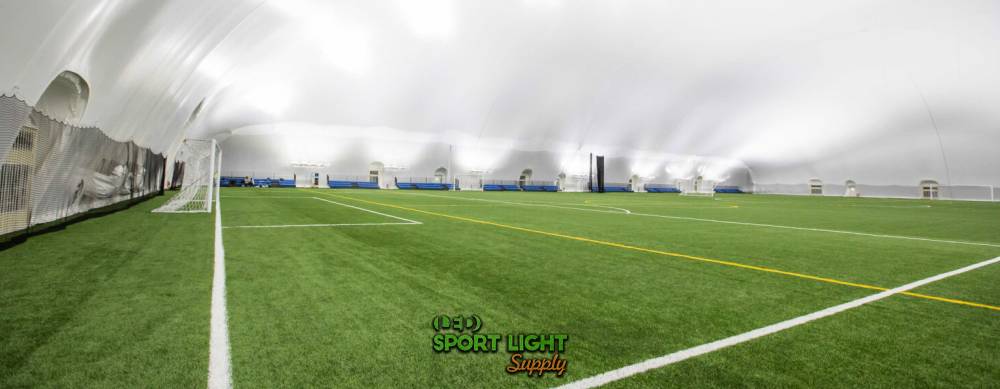
Material choice affects fixture pricing and performance. Sports dome lighting fixtures must withstand environmental stress such as heat, moisture, and physical impact. Polycarbonate lenses, aluminum housings, and powder-coated finishes are commonly selected for their resistance to damage and ease of maintenance. More rugged construction typically results in a higher purchase price, but also offers protection from both environmental conditions and incidental contact from sports equipment.
In some cases, additional shielding or mesh guards are required to protect lights installed in high-risk areas. These customizations must be factored into the upfront cost. Domes that host fast-paced sports like indoor soccer or baseball should consider reinforced fixtures even if their initial budget leans toward economy models. Choosing a lighting system built to last in such environments prevents frequent repair or premature failure, thereby optimizing operational efficiency over the system’s life span.
Manufacturers differ widely in terms of product reliability, innovation, and support. Well-established lighting brands often command higher pricing, but they back their products with comprehensive warranties, easier access to replacement parts, and proven product testing in large-scale installations. Cheaper, lesser-known brands may lack robust documentation or support infrastructure, creating future risks if components fail or software updates are discontinued.
Warranty duration and service response time are integral to overall cost planning. Extended warranties that include remote support, on-site service, or fixture replacement contribute to higher initial investment but may substantially lower total cost of ownership. The strength of a vendor’s service network and their track record with sports facility installations should be part of the evaluation process before selecting a lighting package.
Beyond the physical equipment and labor involved in dome lighting projects, there are also regulatory and quality assurance factors that affect total expenses. Lighting fixtures must often meet national and international safety and performance certifications to be legally installed or to qualify for financial incentives. These certifications help establish that the products meet specific testing standards for electrical safety, photometric accuracy, efficiency, and environmental performance. While major manufacturers include certifications like UL (Underwriters Laboratories), CE (Conformité Européenne), or IEC (International Electrotechnical Commission) as standard, customized fixtures or bespoke installations may require additional lab testing or field verification, which introduces added costs.
In North America, lighting products eligible for utility rebates typically need to be listed by the DesignLights Consortium (DLC). DLC-listed products must pass strict efficacy and reliability thresholds, and lighting designers often select from these listings to ensure both quality and rebate eligibility. If a dome project is attempting to qualify for energy rebates through a state or regional program, using DLC Premium-rated fixtures may be a requirement, and submitting associated documentation—such as photometric reports, as-built layouts, and compliance declarations—can incur administrative and consulting expenses that add several thousand dollars to a project.
Some sports domes, especially those funded by municipalities, universities, or sustainability-focused institutions, aim to achieve LEED (Leadership in Energy and Environmental Design) or BREEAM (Building Research Establishment Environmental Assessment Method) certification. In these cases, lighting choices are evaluated for their contribution toward overall building performance metrics such as energy use intensity, lighting power density, and occupant comfort. Lighting consultants or certified green building advisors are often engaged to align lighting layouts and controls with program guidelines.
This might include using luminaires with high efficacy (lumens per watt), fixtures with low mercury content, and advanced controls such as daylight harvesting or occupancy sensors. The inclusion of these components affects both product choice and project cost. For example, upgrading from a basic on-off control to a networked dimming system with real-time monitoring and occupancy-based automation may increase per-fixture costs by 10% to 20%. Additionally, the need to document compliance through commissioning reports, calibration logs, and third-party verification contributes to soft costs.
Another layer of compliance cost comes from insurance and operational safety requirements. Some insurance carriers or liability insurers require lighting systems in large public-use domes to be rated for specific impact resistance, glare control, or ingress protection levels. IP ratings, for instance, ensure that lighting fixtures are dust-tight or resistant to water intrusion, especially in multipurpose domes that may host indoor/outdoor transitions or handle high humidity from HVAC systems. Impact ratings such as IK07 or higher are often stipulated in youth sports facilities where ball strikes are common.
Sports domes that plan to host televised or professional-level competitions may need lighting systems certified for broadcast standards, including metrics such as flicker index below 1%, high color rendering index (CRI above 90), and tight beam uniformity tolerances. These conditions can influence fixture selection substantially, as not all standard sports lighting products are equipped for such use cases. Where these certifications are not standard, lighting engineers may need to perform simulation testing, on-site lux verification, or third-party certification audits—each carrying its own project cost implications.
Ultimately, the cost of compliance and certification is not just a formality but a structural part of the dome lighting investment. Choosing certified products, working with accredited designers, and documenting system performance in accordance with legal and institutional guidelines ensures long-term operability, minimizes liability risk, and increases the potential for external funding support. While these elements may add 5% to 15% to the total system budget, they also open pathways to long-term return through rebates, reduced insurance premiums, and facility prestige.
Lighting systems in sports domes are not solely functional; they also serve a visual role in shaping the perception of the space. Dome structures often have unique architectural profiles—arched ceilings, tensile membranes, translucent paneling, or exposed steel trusses—that influence how lighting fixtures are placed and how they appear when installed. Integrating lighting with the architectural language of the space can elevate the user experience, improve the sense of professionalism, and support visual harmony during events or broadcasts. As a result, aesthetics can carry a measurable cost, especially in high-visibility or multipurpose venues.
Lighting designers and architects often collaborate to specify fixtures that do more than simply illuminate. In many cases, luminaires are selected based on shape, housing finish, and mounting technique to either highlight structural details or disappear into the background. For instance, in domes with matte white ceiling finishes, lighting fixtures may be powder-coated in custom white or neutral tones to reduce visual intrusion. This often increases the price per fixture by 5% to 10%, especially when small batch customization is required. In steel-framed domes with exposed black trusses, matte black fixtures may be used instead to create a seamless, integrated look.
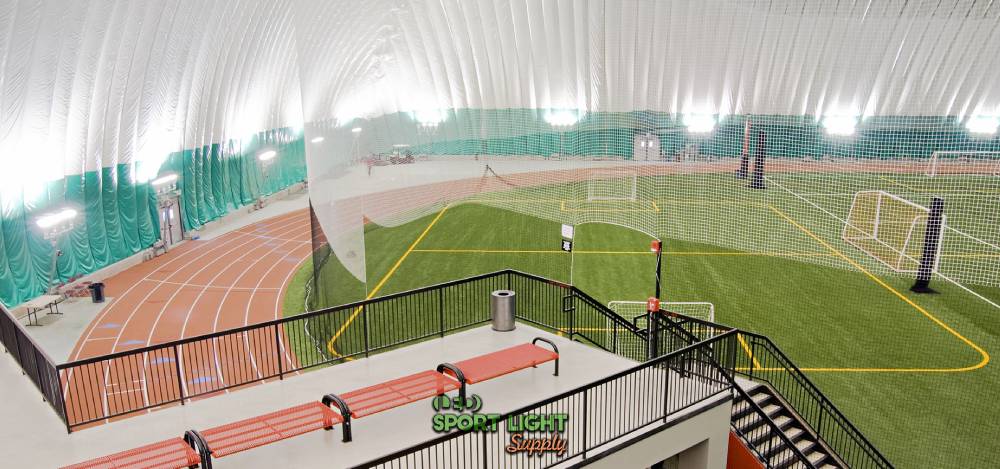
Mounting strategy is another architectural consideration. Some domes favor surface-mounted lighting, where fixtures are clearly visible and mounted below the structural beams. Others require recessed or semi-recessed mounting, particularly in inflatable or tensioned domes where lighting must not interfere with air flow or material tension. Recessed installation requires additional structural planning, including secondary framing or brackets, and may raise both hardware and labor costs. These decisions must also consider the weight limits of suspended infrastructure, especially in membrane-based domes where the number and placement of penetrations must be minimized.
For domes that serve as multipurpose venues for televised games, concerts, or community events, fixture design can also reduce glare and improve camera clarity. Glare shields, baffles, and diffusers are sometimes added not for light performance, but to enhance the visual quality of the dome as seen by spectators or cameras. The use of asymmetric optics or specially designed shrouds can limit visible light sources in camera view, making the space appear cleaner and more professionally staged. These visual considerations are especially relevant when events are broadcast or photographed, where lighting becomes a major component of how the venue is experienced remotely.
From a budget standpoint, lighting systems that prioritize architectural integration and aesthetics tend to exceed the baseline price of functional-only installations. However, for domes that act as brand statements, academic centers, or high-revenue rental spaces, the added investment supports both user satisfaction and public perception. Facilities that are frequently used for televised sports, awards ceremonies, or press-covered tournaments often place equal weight on lighting form and function. As a result, architectural lighting integration—whether through mounting choices, fixture aesthetics, or custom accessories—plays a clear role in shaping the overall investment strategy.
Before fixtures are ordered, most lighting projects require layout planning through digital simulations. Lighting designers use software tools to model the dome environment and determine how various fixture types and layouts will perform. These simulations predict light levels, uniformity, beam patterns, and spill light outside of playing areas. The insights gained from this modeling help avoid overlighting, identify optimal fixture quantities, and support better power budgeting.
While some suppliers offer simulation services at no additional cost, others treat it as a separate consultancy fee. Investing in this step is highly recommended as it often prevents the need for costly changes after installation. High-fidelity photometric simulations can also be included in documentation required for permitting or grant applications, making them part of a more comprehensive investment strategy.
The process of installing lighting systems in a sports dome extends well beyond simply mounting fixtures. It encompasses a range of technical and engineering tasks that can influence the overall project cost substantially. The labor involved includes the physical mounting of fixtures, integration with electrical infrastructure, testing, and commissioning. Additionally, specialized equipment such as aerial lifts or scaffolding is often necessary to safely reach high ceilings and trusses, and rental or operational fees for this machinery add to expenses.
Before any physical installation takes place, a comprehensive lighting layout and engineering design phase is undertaken. This stage involves lighting engineers, consultants, and sometimes architects working together to ensure the lighting system will meet the specific needs of the sports dome. The goal is to design a layout that delivers even illumination across the entire playing surface and spectator areas, minimizing shadows and reducing glare that could impair athlete performance or audience viewing.
A fundamental tool in this phase is photometric simulation software, which allows engineers to model the dome’s interior environment virtually. Using detailed architectural drawings and surface reflectance data, the software predicts how light from various fixture placements and aiming angles will behave within the space. These simulations help identify potential problem areas, such as dark spots, overly bright zones, or glare that could distract players or cameras. The software can also model how natural light, if present, interacts with the artificial lighting system, allowing for optimized fixture control strategies that save energy during daylight hours.
Performing these simulations requires specialized training and expertise, and the licensing fees for photometric software can be substantial. Often, lighting design firms will charge a consulting fee based on the complexity and size of the project. While this adds to upfront costs, it helps avoid costly on-site corrections and ensures that the lighting design aligns with functional, regulatory, and broadcast requirements.
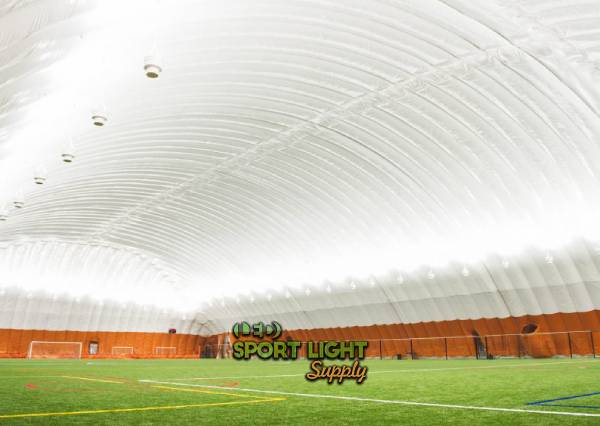 Once simulations validate the general lighting approach, the precise placement and aiming angles of each fixture must be determined. This is especially important in sports domes where architectural features such as trusses, support columns, or ventilation systems can obstruct light paths. Engineers must design aiming strategies that minimize shadows on key playing surfaces while preventing spill light that could cause glare or light trespass outside the dome.
For example, asymmetric beam patterns may be employed to direct light specifically where it is needed, while minimizing illumination of unwanted areas. Adjustable mounting hardware is often specified to allow for fine-tuning fixture orientation during and after installation. These aiming considerations ensure athletes have consistent visibility, referees can accurately judge plays, and spectators or cameras experience visually comfortable lighting.
One challenge in lighting layout design is balancing uniformity with energy consumption. While increasing the number of fixtures or wattage can improve uniformity, it also raises installation and operational costs. Therefore, engineers strive to find the optimal combination of fixture type, quantity, placement, and aiming to deliver sufficient illuminance and uniformity using the least amount of power.
Incorporating energy-efficient LEDs with precise optics and smart controls allows designers to meet these goals more effectively than traditional lighting technologies. Lighting layouts are often integrated with control systems capable of dimming or zoning, which helps reduce energy use during less intensive activities or off-peak hours. The upfront investment in intelligent lighting design ultimately supports lower lifecycle costs and enhances dome sustainability.
Many sports domes rely on suspended ceilings or truss frameworks to hold lighting fixtures securely above the playing area. The original architectural and structural design of these domes often dictates the type and weight of lighting fixtures that can be safely supported. However, when upgrading to modern lighting solutions, especially LED systems or multi-fixture arrays, the structural demands can change significantly. In many cases, the weight and mounting requirements of new fixtures surpass what the existing structure was designed to handle, necessitating careful evaluation and reinforcement.
Structural reinforcement involves assessing the load-bearing capacity of the dome’s trusses, beams, and ceiling supports to determine if they can safely accommodate the new lighting equipment. Engineers conduct detailed structural analyses, sometimes involving physical inspections and stress testing, to identify weak points or potential failure areas. If deficiencies are found, modifications become necessary. These may include strengthening or replacing existing trusses, adding supplemental support brackets, or installing entirely new secondary support systems designed to distribute fixture weight evenly and reduce stress on original elements.
In scenarios where older halide fixtures are replaced with LEDs, the transition might seem straightforward due to LED units generally being lighter. However, multi-fixture arrays, advanced mounting hardware, and integrated control devices can collectively increase the total weight load. Additionally, certain architectural designs or fixture placements may require unique rigging solutions, such as adjustable mounting arms or suspension cables, adding further complexity. These mounting systems must comply with local building codes and safety regulations, often requiring detailed engineering documentation and certification.
The structural reinforcement and rigging process not only impacts material costs but also labor expenses. Skilled tradespeople, including structural engineers, riggers, and construction workers, must coordinate to execute modifications safely and efficiently. Specialized equipment such as cranes, lifts, and scaffolding is often needed, particularly for high or difficult-to-access ceilings. These requirements can extend project timelines and elevate budgets, especially when unexpected structural issues arise during installation.
Moreover, many jurisdictions require that structural modifications be inspected and approved by certified engineers or local authorities to ensure compliance with safety standards. This inspection process adds administrative steps and potential fees but is vital for maintaining the integrity and safety of the sports dome environment.
While the costs and challenges associated with structural reinforcement and rigging can be substantial, they are essential considerations when planning a lighting upgrade or new installation in a sports dome. Properly engineered support systems not only ensure the safety and longevity of the fixtures but also protect athletes, staff, and spectators below. Investing in thorough structural evaluation and reinforcement mitigates the risk of fixture failures, costly repairs, or liability issues in the future.
Upgrading or installing the electrical infrastructure in a sports dome represents a major aspect of the overall lighting installation project. Many older domes were originally built with lighting systems based on legacy technologies such as metal halide or fluorescent fixtures. These systems often rely on outdated wiring, switchgear, and control panels that are incompatible with modern LED lighting and advanced digital control networks. As a result, a complete overhaul of the electrical infrastructure is frequently necessary to accommodate the new lighting technology and maximize its benefits.
The rewiring process may involve replacing outdated cables with new, appropriately rated wiring capable of handling higher currents or specific control signals. Switchgear and breakers need to be upgraded to modern standards to ensure safety, reliability, and compliance with current electrical codes. Control panels may be completely replaced or retrofitted with digital controllers that enable functionalities such as dimming, color tuning, and zoning. These digital control systems often use networked architecture, allowing individual fixtures or groups of fixtures to be managed remotely and adjusted dynamically according to event needs or energy-saving protocols.
Integrating these advanced systems introduces both hardware and installation complexity. Specialized drivers are required to manage LED power supplies and ensure consistent performance without flicker or color shift. Network communication modules must be installed to facilitate centralized control, often necessitating additional data cabling and infrastructure within the dome. In many cases, the integration of these systems requires coordination between electrical contractors, lighting manufacturers, and IT specialists to ensure seamless operation.
The electrical upgrade costs can sometimes exceed the expense of the lighting fixtures themselves, especially in retrofitting scenarios where existing infrastructure is insufficient or deteriorated. These costs include material procurement, labor for installation, testing, commissioning, and sometimes even temporary power shutdowns during the transition. It’s also common to factor in contingency budgets for unforeseen complications such as hidden wiring issues or the need to comply with newly updated regulations.
Despite the upfront expense, modernizing the electrical infrastructure offers long-term benefits in terms of energy efficiency, system flexibility, and maintenance savings. Digital control systems allow facility managers to optimize energy use by dimming lights during downtime, adjusting color temperature to suit different sports or events, and enabling automated scheduling. Additionally, better electrical infrastructure improves system reliability and simplifies future upgrades or expansions, making it a worthwhile investment for many sports dome operators.
Multi-use sports domes frequently require lighting systems that go beyond basic illumination. These venues often host a variety of sports, concerts, exhibitions, and other events, each with different lighting needs. As a result, the lighting infrastructure must be versatile, offering flexible control options, scene settings, and remote management capabilities to adapt quickly and efficiently. This level of sophistication introduces additional layers of complexity in both the design and installation phases, affecting the overall cost and timeline.
One of the defining features of advanced multi-use lighting systems is the ability to divide the dome’s lighting into programmable zones. Each zone can be independently controlled for brightness, color temperature, and timing, allowing for tailored lighting scenes. For example, the system might dim or switch off certain zones during warm-ups, provide bright, high-contrast lighting during competition, or create ambient effects for concerts or ceremonies. Programming these zones requires specialized control hardware and software, which adds to the initial expense and requires skilled technicians to configure and maintain.
Tunable white lighting is a technology that allows for the adjustment of color temperature, ranging from warm to cool white light. This feature is particularly useful in multi-purpose domes that serve different sports or activities throughout the day. Cooler light with higher color temperature is often preferred for fast-paced sports due to its clarity and brightness, while warmer tones might be more suitable for community events or non-sporting functions. Implementing tunable white lighting necessitates fixtures equipped with specialized LEDs and control systems, increasing both hardware costs and installation complexity.
In modern sports domes, lighting systems are rarely standalone installations. Increasingly, these systems are integrated into broader Building Management Systems (BMS), which oversee multiple facility functions such as heating, ventilation, air conditioning (HVAC), security, and energy management. This centralized approach to building operations enables more efficient and coordinated control of the entire facility, leveraging automation to optimize performance, reduce energy consumption, and enhance user comfort.
Integrating lighting with a BMS allows the sports dome to respond intelligently to real-time conditions. For example, lighting can automatically adjust based on occupancy sensors, dimming or switching off in unoccupied areas to conserve energy. Time schedules programmed into the BMS can tailor lighting scenes to match event timings, maintenance periods, or cleaning schedules without manual intervention. Environmental sensors can further refine lighting levels depending on natural daylight availability, temperature, or even humidity, creating a responsive and sustainable lighting environment.
While the benefits of BMS integration are substantial, the process introduces several technical and financial challenges. First, lighting control hardware and software must be compatible with the BMS communication protocols, which often vary between manufacturers. Protocols such as BACnet, Modbus, KNX, or DALI require specialized gateways or interfaces to enable seamless data exchange. Selecting appropriate components and ensuring interoperability demands experienced design and engineering expertise.
Additionally, integration involves extensive programming and customization. The BMS software needs to be configured to recognize and control the lighting system’s various zones, dimming capabilities, and preset scenes. This programming phase requires collaboration between lighting designers, electrical contractors, and BMS specialists to translate operational requirements into effective control logic. Testing and debugging are integral parts of this process, ensuring that commands execute correctly and that fail-safes are in place.
The coordination of multiple contractors and vendors further complicates project management. Lighting manufacturers, electrical installers, BMS providers, and facility managers must communicate closely to align schedules, technical specifications, and commissioning plans. Misalignment or delays in any one area can extend timelines and increase labor costs.
Moreover, commissioning an integrated lighting and BMS system tends to be more involved than standalone lighting setups. Technicians must verify that lighting responds properly to automated controls, override options function as intended, and data reporting accurately reflects system status. Ongoing training for facility staff may also be necessary to familiarize operators with the BMS interface and control capabilities.
Despite the upfront investment and complexity, integrating sports dome lighting with a BMS offers long-term advantages. It improves operational efficiency, reduces energy waste, and enhances user experience by providing adaptable, context-sensitive lighting environments. For venues seeking sustainability certifications or pursuing energy rebate programs, BMS integration is often a fundamental component, supporting measurable reductions in power consumption and environmental impact.
After installation, the smart lighting system undergoes an extensive commissioning phase to ensure all components function as intended. This includes testing dimming capabilities, verifying zoning accuracy, and calibrating color temperature presets. The calibration process can be time-consuming, as technicians adjust settings to meet the specific lighting standards for each type of event or sport hosted in the dome. Revisions and fine-tuning during commissioning are common, requiring experienced personnel who understand both the technical and practical aspects of sports lighting. These efforts add labor hours and can extend project timelines, increasing the overall cost of installation.
The complexity of multi-use and smart lighting systems significantly influences both the financial investment and operational flexibility of sports domes. While upfront costs are higher due to advanced technology, programming, and integration needs, the benefits include enhanced control, improved energy efficiency, and the ability to customize lighting experiences for diverse uses. Such systems represent a forward-thinking approach to lighting design that aligns with the evolving demands of modern sports and event venues.
| Category | Details | Figures & Examples |
|---|---|---|
| Energy Consumption | Power usage depends on fixture wattage, quantity, daily operation, and regional electricity rates. | – 200 LED fixtures × 300W × 8 hours/day = 480 kWh/day – Monthly electricity cost: $1,440 to $2,160 (at $0.10–$0.15 per kWh) |
| Energy Savings from Controls | Use of motion sensors, occupancy detectors, and timers reduces energy use by limiting operation to needed areas and times. | Energy consumption can be lowered by 20-30%, saving thousands annually. |
| Adaptive Lighting & Daylight Harvesting | Daylight sensors and brightness controls adjust fixture output according to natural light availability, improving efficiency. | Energy reduction of up to 40% during daylight hours; especially effective with skylights or translucent panels. |
| Maintenance Costs | LED lumen depreciation, driver replacement, cleaning, and environmental factors require routine upkeep. | – LED brightness retention: 70-80% after 50,000 hours – Annual maintenance contracts: $5,000 to $15,000 (medium-sized dome) |
| Long-Term Energy & Maintenance Savings | Switching from metal halide to LED reduces energy use and maintenance needs significantly, improving total cost of ownership. | – Energy consumption cut from ~200,000 kWh to ~80,000 kWh annually – Annual electricity savings over $12,000 – Maintenance cost reductions of 30-50% compared to halide systems |
Once the lighting systems are installed in a sports dome, the ongoing operating costs become a significant consideration for facility managers and owners. Energy consumption typically constitutes the largest portion of these expenses. Although LED fixtures consume substantially less power than traditional halide or fluorescent lighting, the overall electrical demand remains considerable due to the high number of fixtures required to illuminate expansive dome interiors effectively.
Energy costs associated with lighting in sports domes can vary significantly depending on several key factors, including regional electricity rates, utility provider contracts, and the specific operational schedule of the facility. For instance, in regions where electricity prices range from approximately $0.10 to $0.15 per kilowatt-hour (kWh), a large sports dome equipped with 200 LED fixtures, each rated at 300 watts and operating for an average of 8 hours per day, would consume around 480 kilowatt-hours daily. This usage translates to a monthly energy consumption of roughly 14,400 kWh, leading to electricity bills between $1,440 and $2,160. Over a full year, these costs can amount to $17,280 to $25,920 solely for lighting.
Because lighting constitutes a substantial portion of a dome’s overall energy consumption, many facilities adopt intelligent lighting management solutions designed to optimize power usage and reduce operational costs. These smart systems often incorporate technologies such as motion detectors, occupancy sensors, and programmable timers that ensure lights are only active when needed. For example, implementing zoning controls that dim or switch off fixtures in unused or less trafficked sections of the dome can reduce energy consumption by 20 to 30 percent. Such reductions can equate to savings of several thousand dollars annually, which over the lifespan of the lighting system accumulate to significant financial benefits.
The number of hours the lighting system operates directly affects energy expenses. Sports domes with frequent events or training sessions require longer daily lighting operation compared to venues with more limited use. By strategically scheduling lighting based on event calendars, maintenance activities, and occupancy patterns, facilities can limit unnecessary usage. For example, reducing lighting operation by just one hour per day in a 200-fixture dome can save approximately 60 kWh daily, or roughly 1,800 kWh monthly, potentially lowering monthly costs by $180 to $270. Automated scheduling systems integrated with facility management software further enhance this capability by enabling precise control and remote adjustments.
Not all LED fixtures offer the same efficiency, and selecting high-performance luminaires with better lumen-per-watt ratios can lower energy consumption substantially. For example, upgrading from fixtures rated at 100 lumens per watt to models providing 140 lumens per watt can reduce total fixture wattage needs by up to 30 percent while maintaining equivalent brightness levels. This reduction directly translates into lower energy use and cost savings. Additionally, fixture quality affects long-term energy efficiency—poorly designed luminaires may suffer from heat buildup and degradation, which reduces output and requires higher power draw to achieve desired illumination, increasing operational costs over time.
Many utilities offer incentives and demand management programs aimed at reducing peak energy consumption or encouraging the adoption of energy-efficient technologies. Sports domes that participate in these programs may qualify for rebates or lower rates by implementing demand response strategies such as dimming lights during peak hours or scheduling intensive usage during off-peak times. For example, utility rebates on LED fixture purchases or lighting control systems can offset initial capital costs by 10 to 25 percent, improving return on investment. Demand response programs may provide financial compensation for reducing energy use during critical grid stress periods, further lowering operating expenses. Proactively engaging with utility providers to understand available programs and compliance requirements can yield additional cost advantages over the system’s lifespan.
Many modern sports domes integrate daylight sensors and adaptive brightness controls that monitor natural light levels and adjust artificial lighting accordingly. This technique, known as daylight harvesting, can decrease energy use during daytime hours by up to 40 percent, depending on dome design and exterior lighting conditions. For instance, venues with large translucent or skylight panels can benefit from reduced fixture output when sunlight is sufficient.
Advanced control systems often allow facility managers to program specific lighting scenes or schedules to align with event timings or maintenance activities. This flexibility not only enhances energy efficiency but also improves operational convenience and fixture lifespan by avoiding unnecessary full-power operation.
Even though LED lighting fixtures generally offer significantly longer lifespans and lower maintenance demands compared to traditional legacy lighting systems such as metal halide or fluorescent lamps, they are not maintenance-free. One key factor influencing maintenance needs is lumen depreciation—the gradual reduction in light output over time. High-quality LED fixtures typically maintain between 70 to 80 percent of their initial brightness after approximately 50,000 hours of operation. However, as this decline progresses, lighting levels may fall below desired standards, necessitating eventual fixture replacement or refurbishment to maintain adequate illumination and safety levels.
In addition to lumen depreciation, other components such as LED drivers, which regulate electrical current and voltage to the diodes, are subject to wear and degradation. Driver failure or reduced efficiency can lead to flickering, reduced light output, or complete fixture shutdown, requiring periodic inspection, testing, and replacement. The environmental conditions inside sports domes—characterized by dust, humidity, temperature fluctuations, and potential exposure to airborne contaminants—also impose challenges. Accumulation of dust on lenses and heat sinks can impair heat dissipation and diminish light output, while high humidity levels may accelerate corrosion or electronic failures. Routine maintenance tasks such as cleaning lenses, heat sinks, and fixture housings are critical for preserving performance and preventing overheating, which can shorten fixture lifespan.
Maintenance procedures often require coordinated scheduling to minimize disruption, as cleaning, inspections, and repairs usually demand facility downtime or must be arranged around event calendars. This can affect revenue generation, especially for high-usage sports domes. Typically, a medium-sized sports dome might incur annual maintenance contract costs ranging from $5,000 to $15,000. This cost depends on the complexity and number of fixtures, the frequency of inspections, and the scope of services such as preventive maintenance and emergency repairs. Investing in proactive, scheduled maintenance reduces the risk of unexpected fixture failures, extends equipment lifespan, and avoids the higher expenses associated with emergency replacements or reactive troubleshooting.
Establishing a routine preventive maintenance program is crucial for managing long-term operating expenses effectively. Such programs involve periodic cleaning, functional testing, driver replacements, and performance calibrations designed to catch issues early before they escalate into costly failures. For example, scheduled cleaning every six months can prevent dust buildup that reduces lumen output by up to 15 percent. Driver replacements might be planned every 5 to 7 years depending on usage patterns and manufacturer recommendations. Preventive maintenance contracts often include service level agreements guaranteeing response times for repairs, which help minimize downtime during important events. The upfront investment in preventive care can reduce unplanned maintenance costs by 20 to 40 percent annually.
Despite preventive efforts, unforeseen failures can occur due to component defects, environmental damage, or accidental impact. Emergency repairs often come at a premium due to expedited labor costs, off-hours service calls, and possible expedited parts shipping. In some cases, damaged fixtures may need immediate replacement, which involves procurement delays and potential disruptions to dome operations. The cost of emergency repairs or replacements can be two to three times higher than planned maintenance expenses, sometimes reaching tens of thousands of dollars depending on fixture complexity and quantity. Maintaining spare parts inventories and working with reliable service providers can help mitigate these risks and reduce the financial impact of unexpected lighting system issues.
When planning a sports dome lighting system, it is advisable to incorporate detailed long-term budgeting that includes both energy and maintenance costs. While initial fixture costs are often emphasized, the total cost of ownership over the system’s lifecycle can be two to three times the initial purchase price. Factoring in anticipated energy savings from LED adoption and intelligent controls, alongside scheduled maintenance expenditures, helps facility owners forecast operational expenses more accurately.
For example, a sports dome switching from metal halide to LED lighting could reduce its annual lighting energy consumption from approximately 200,000 kWh to 80,000 kWh, potentially saving over $12,000 annually in electricity costs. Combined with lower maintenance requirements—estimated at a 30-50 percent reduction compared to halide systems—the financial benefits accumulate over time.
In summary, ongoing operating costs in sports dome lighting hinge on effective energy management and proactive maintenance strategies. Employing advanced technologies like adaptive lighting controls and maintaining a robust service schedule can optimize both financial performance and lighting quality, ensuring the facility remains safe, functional, and cost-efficient for years to come.
Ensuring that lighting systems in sports domes meet all applicable environmental and safety regulations is a crucial aspect that directly impacts overall project expenses. Compliance goes beyond simply installing fixtures; it involves meeting stringent standards that govern illumination quality, safety, and environmental impact. These requirements often translate into additional costs related to design, certification, installation, and ongoing maintenance.
Lighting fixtures and systems must often be certified to comply with regional building codes, energy efficiency programs, and sports lighting standards. This includes adherence to regulations on color rendering index (CRI), glare limits, and emergency lighting provisions. Certification processes typically require third-party testing, photometric validation, and submission of technical documentation. Engaging professional auditors or lighting consultants for these services adds fees that may range from several thousand to tens of thousands of dollars depending on dome size and system complexity. Moreover, custom or innovative lighting solutions might require bespoke validation, further increasing costs.
Safety considerations significantly influence lighting system expenses in sports domes. Proper illumination for emergency exit paths must comply with strict visibility and reliability standards, necessitating additional emergency fixtures, battery backups, and regular testing protocols. Backup power systems such as uninterruptible power supplies (UPS) or generators add upfront capital costs and ongoing maintenance expenses. Fixtures must also be impact-resistant and designed to withstand accidental contact or sports-related impacts. Installing protective housings or using specialized vandal-proof lighting increases hardware costs and may require specialized installation labor, pushing project budgets higher.
Maintaining compliance throughout the lifecycle of a sports dome lighting system involves recurring costs. Regular inspections and testing ensure emergency systems remain functional and that lighting levels meet safety thresholds. These activities often require scheduling during off-hours or event downtimes, leading to indirect costs such as lost revenue or overtime labor charges. Non-compliance discovered during audits can lead to costly retrofit requirements or fines, making proactive maintenance an essential expense item. Additionally, upgrades to meet evolving codes or environmental standards can cause unexpected capital expenditures in the future.
| Category | Key Figures | Financial Impact |
|---|---|---|
| Utility Rebates | $50–$150 per fixture $10,000–$30,000 total for 200 fixtures 10–20% of retrofit cost | Reduces upfront cost |
| Local/State Grants | $50,000–$250,000 per project $5,000–$15,000 audit fees | Major capital support, requires audits |
| Energy Audits | $5,000–$15,000 per audit Additional reporting fees possible | Ensures compliance, adds to budget |
| Federal Grants | Covers 30–50% of project cost $10,000+ admin costs | Large funding, strict compliance |
| Application Costs | $3,000–$12,000 consulting fees | Upfront admin expenses |
| ROI Impact | Example: $500,000 project Grants/rebates: $250,000 Annual savings: $12,000–$20,000 Payback reduced to 3–4 years | Improved payback and viability |
Upgrading sports dome lighting systems can be a costly undertaking, but various government and utility programs provide crucial financial assistance to offset these expenses. These incentives aim to promote energy efficiency, environmental sustainability, and community health, reducing the upfront investment and improving return on investment (ROI) timelines for facility operators.
Many utility companies offer rebates for upgrading to energy-efficient lighting, particularly LED fixtures. For example, a facility replacing 200 conventional metal halide fixtures with LEDs might receive rebates ranging from $50 to $150 per fixture, potentially covering $10,000 to $30,000 of the capital cost. These incentives typically require pre-approval and compliance with specific product standards. Rebates may also extend to smart lighting controls and adaptive management systems, with additional rebates per control node or sensor installed. Facilities can often recoup 10-20% of their lighting retrofit budget through these programs.
Local and state governments play a pivotal role in supporting community sports infrastructure through targeted grant programs and low-interest financing options. These initiatives are designed not only to improve public facilities but also to promote sustainability, accessibility, and public health. Lighting upgrades in sports domes often qualify as key components within these broader infrastructure improvement projects. Many programs prioritize facilities that demonstrate measurable energy savings or deliver social benefits such as increased youth sports participation or improved accessibility for disabled athletes.
Municipal sustainability funds, for example, may offer grants ranging from $50,000 to $250,000 depending on the project size and community impact. These grants typically require applicants to submit comprehensive proposals outlining energy reduction strategies and expected outcomes. In some cases, lighting upgrades can be bundled with other facility improvements like HVAC system enhancements, seating renovations, or accessibility modifications to maximize grant eligibility under multi-purpose funding streams.
While these grants provide vital financial assistance, they come with administrative and technical requirements. Detailed energy audits performed by certified professionals are often a prerequisite, ensuring that projected energy savings are realistic and verifiable. These audits, alongside mandatory post-installation reporting, generally incur consulting fees ranging from $5,000 to $15,000, which must be factored into the overall project budget.
Eligibility criteria for local and state government grants vary widely but commonly emphasize environmental sustainability and community benefit. Projects that clearly demonstrate energy efficiency improvements, such as switching from metal halide to LED lighting, have an advantage. Additionally, grants often prioritize initiatives that enhance youth sports programs, increase facility accessibility for disabled individuals, or contribute to public health goals by promoting active lifestyles.
Applicants must provide evidence of measurable outcomes, including estimated kWh reductions, carbon footprint decreases, or increased facility usage statistics. Facilities serving underserved or economically disadvantaged communities may receive priority consideration or additional funding.
Conducting a professional energy audit is typically mandatory when applying for state and local grants. These audits assess the facility’s current energy consumption baseline and model projected savings post-upgrade. Auditors examine lighting systems, HVAC integration, building envelope efficiency, and control strategies to provide a comprehensive report.
The cost of these audits usually ranges from $5,000 to $15,000, depending on facility size and complexity. The audit report must include detailed photometric analysis, fixture inventories, and energy consumption models aligned with grant application standards. Furthermore, many programs require continued monitoring and post-installation performance verification, which may necessitate additional reporting fees or consulting support.
At the federal level, agencies like the Department of Energy (DOE) and the Environmental Protection Agency (EPA) offer competitive grants and incentives aimed at reducing energy consumption and greenhouse gas emissions. Programs such as the Energy Efficiency and Conservation Block Grant (EECBG) have provided millions in funding for public facility retrofits. Sports domes may qualify for grants that cover 30-50% of total project costs, which can translate into hundreds of thousands of dollars for larger venues. These grants usually require compliance with rigorous reporting standards and energy modeling, and facilities should anticipate internal administrative costs of $10,000 or more to manage grant compliance.
Applying for grants and rebates demands substantial documentation, including detailed energy modeling, fixture specifications, baseline energy consumption data, and post-installation performance reporting. Facilities often hire specialized consultants to prepare these materials, with consulting fees ranging from $3,000 to $12,000 per application depending on project complexity. While time-consuming, these efforts reduce net project costs significantly. Failure to comply with reporting or performance requirements can lead to partial or full loss of grant funds, emphasizing the importance of professional grant management.
Securing government and utility financial support can reduce the effective initial investment by 20-50%, significantly shortening the payback period of lighting upgrades. For example, a $500,000 LED retrofit project that receives $100,000 in rebates and $150,000 in government grants effectively lowers the out-of-pocket expense to $250,000. Combined with energy savings of $12,000 to $20,000 annually and lower maintenance costs, the return on investment can improve from 5-7 years to 3-4 years. Facility managers should incorporate these incentives early in the budgeting and planning process to maximize benefit.
A major cost influence comes from the choice of vendors, consultants, and installers. Trusted lighting suppliers provide warranties, product support, and long-term reliability, which reduces replacement and troubleshooting expenses. Price should not be the only factor. Evaluating photometric designs, energy simulations, and compatibility with dome architecture ensures better long-term outcomes.
Working with experienced installers can avoid expensive errors like over-lighting, poor distribution, or insufficient controls. Coordination between lighting vendors and dome engineers ensures seamless integration with structural supports and electrical systems. Investing time in vendor selection and contracting helps avoid change orders and installation delays.
Lighting fixtures in sports domes are often exposed to mechanical impacts from sports equipment or facility maintenance activities. Using fixtures with reinforced housings helps protect lighting systems from breakage and reduces the risk of electrical failure or fire hazards. Polycarbonate lenses, metal brackets, and secure wiring pathways can withstand harsh conditions without performance degradation.
These protective features may slightly raise the initial fixture cost but can eliminate the need for frequent fixture replacements or repairs. Over time, this improves cost efficiency and reduces risk of disruption to scheduled activities inside the dome.
Sports domes host a range of activities across seasons—from soccer in summer to baseball in spring and field hockey in fall. Lighting systems must be versatile enough to accommodate layout changes, surface conversions, and sport-specific visual needs. Using adjustable beam angles, color temperature tuning, or zone lighting allows operators to tailor illumination for each event type.
The financial implication lies in selecting modular or reprogrammable systems instead of fixed, one-mode installations. While this adds cost upfront, it provides flexibility that reduces the need for additional portable lighting or complex rewiring during seasonal transitions.
Insurance premiums for large public venues are influenced by lighting safety. Well-designed systems reduce tripping hazards, improve visibility in emergency scenarios, and minimize vandalism or tampering. Lighting also affects surveillance effectiveness when integrated with security cameras. Insurers may provide lower rates for venues with reliable emergency lighting and well-lit egress pathways.
Installing systems with advanced fault detection and real-time monitoring also mitigates risks by identifying fixture failures before they escalate. These features enhance safety profiles, and their inclusion can be a persuasive factor during insurance assessments or renewals.
A strategic view of lighting expenses involves projecting costs over a 10- to 20-year horizon. Calculating total ownership cost helps facilities plan capital reserves, maintenance staffing, and technology upgrades. Lighting audits conducted every few years allow management to assess performance, energy usage, and fixture aging. Such reviews identify opportunities to introduce new tech or phase out underperforming systems.
Lifecycle planning also includes evaluating vendor roadmaps for fixture support and spare part availability. Choosing systems with long warranty terms and support contracts ensures that investments remain productive and protected for many years.
Lighting expenses in sports domes reflect a spectrum of decisions that affect purchase, setup, operation, and value generation. While initial costs can be high, thoughtful investment in quality equipment, professional installation, and adaptive controls can lead to reduced long-term expenditures. Areas like fixture durability, integrated smart systems, and utility management play a role not only in reducing costs but also in improving user experience, safety, and revenue potential. By viewing lighting as a dynamic infrastructure element rather than a static purchase, sports domes are better positioned to adapt, grow, and thrive in a changing landscape. Ultimately, planning for lighting with long-term outcomes in mind brings clarity and strength to the entire venue operation.