
Lighting a race track involves far more than just installing a few high-powered lamps. It requires comprehensive planning, engineering, and infrastructure development to achieve adequate visibility, driver safety, and audience engagement. The overall expense is determined by a combination of upfront installation, material acquisition, labor, control systems, and long-term operational considerations. These costs fluctuate based on factors such as the size of the venue, type of motorsport, location, environmental regulations, and level of lighting required.
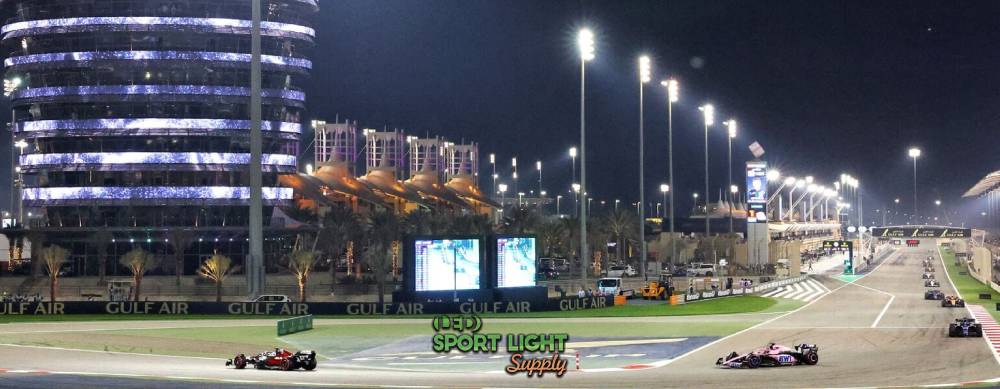
A race track’s physical dimensions have a direct impact on lighting expenses. The total length of the circuit, its width, and the complexity of its layout determine the quantity and positioning of lighting fixtures required. Longer circuits naturally involve greater stretches of ground to illuminate, which increases the number of poles, fixtures, and cable runs. These elements are essential for delivering uniform coverage that eliminates shadows and dark spots. Tracks with varying elevations, tight chicanes, hairpin turns, and rapid directional changes require even more precise lighting placement to maintain visibility under dynamic conditions.
Complex configurations introduce additional demands on photometric planning. Lighting must be carefully adjusted to accommodate inclines, declines, and blind corners, where visibility plays a vital role in driver reaction time. Road courses with irregular shapes, such as endurance tracks or temporary circuits, require custom solutions that drive up both design and installation costs. Compared to these, oval tracks tend to be simpler and more economical to light, as their symmetrical layout allows for a more uniform and repetitive lighting plan. However, even oval tracks present challenges when racing occurs at higher speeds, as the light distribution must be even across long sweeping turns to avoid glare or visibility gaps.
Tracks that span natural landscapes or wooded areas may face geographical constraints during lighting pole placement, increasing the need for trenchless cable installation or custom mounting solutions. Additionally, long-distance circuits may require repeater stations or supplemental power sources to maintain system stability across the entire course, introducing yet another layer of infrastructure costs.
The intensity of light, often defined in terms of lux or foot-candles, is a critical metric for race track lighting. High-performance racing events—especially those conducted at night—demand extremely high levels of illuminance to meet safety standards and ensure clear visibility at high speeds. Events broadcast in high definition or 4K further increase lighting requirements, as camera sensors require precise, flicker-free brightness to capture fast motion with clarity.
For example, Formula 1 or World Endurance Championship races may require upwards of 1000 lux across the racing surface, pit lane, and run-off areas. This level of illumination ensures that drivers can spot braking markers, apex points, and track limits without delay. Conversely, amateur circuits or go-kart tracks may only require 200–300 lux, which still provides basic visibility without the extensive overhead of high-output fixtures.
Higher lux levels also place increased demands on the lighting layout, beam angle control, and fixture quality. Achieving uniformity without over-lighting certain zones means deploying advanced optics and a higher density of luminaires. As the target illumination rises, so does energy consumption, contributing to increased operational expenses. Additionally, to support these light levels, electrical supply systems must be designed with sufficient capacity and redundancy, further elevating both installation and infrastructure investment.
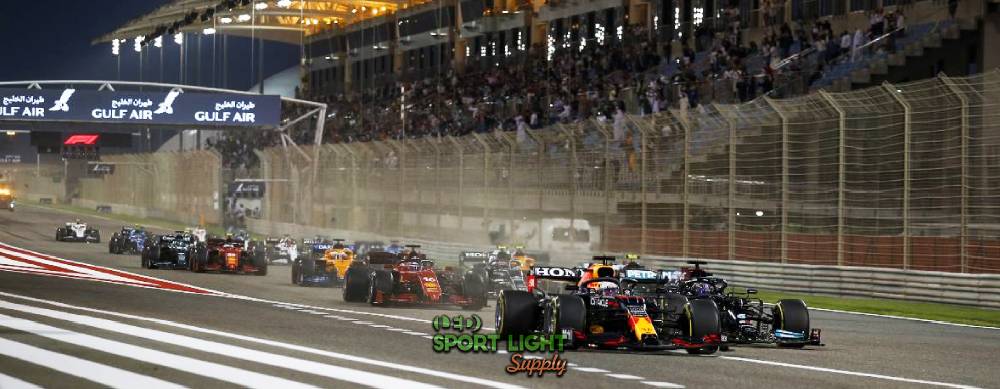
The choice of lighting technology plays a defining role in both the initial and ongoing expenses of race track illumination. Traditionally, metal halide fixtures were favored for their high lumen output and relative affordability. However, they are now being phased out in favor of LED lighting systems, which offer multiple long-term advantages.
LEDs provide superior energy efficiency, converting more electrical power into usable light while producing less heat. This reduces not only energy bills but also the strain on cooling systems and fixtures themselves. Furthermore, LEDs offer longer operational lifespans, often exceeding 50,000 hours before significant lumen depreciation occurs. In contrast, metal halide bulbs generally require replacement after 10,000–15,000 hours and are more prone to color shifting and warm-up delays.
Although LED systems typically carry higher upfront costs—due to both the technology itself and the infrastructure needed to support advanced controls—these are often recouped through reduced maintenance, fewer replacements, and lower energy use. Moreover, modern LED fixtures come equipped with features such as smart dimming, wireless control systems, and programmable lighting zones, offering better adaptability for different event formats or weather conditions.
Metal halide systems may still be used in budget-constrained projects, but their long-term value diminishes due to higher maintenance costs and limited flexibility. For tracks planning for future media broadcasting, sustainability, and automation, investing in high-quality LED technology often proves more cost-effective over the lifecycle of the facility.
The physical act of installing a race track lighting system involves more than just placing lights. It includes a broad range of infrastructure needs, from the construction of pole foundations to the layout of underground cabling and the deployment of sophisticated control hubs. These foundational aspects are often among the most labor-intensive and expensive parts of the project.
Pole height and spacing play a major role in determining cost. Taller poles can reduce the total number needed by extending the reach of each fixture, but they demand deeper foundations, stronger materials, and more specialized equipment such as cranes or hoists for installation. Conversely, using more poles at lower heights may reduce fixture wattage requirements but increases labor and material costs due to the larger number of installations.
Cable trenching is another major component of installation. The process involves excavating the ground to lay high-voltage cables, conduit, and grounding wires in accordance with electrical safety codes. In environmentally sensitive or urban areas, trenching may face restrictions or require specialized equipment, significantly raising the cost. Some projects may opt for above-ground or modular cabling systems, but these come with trade-offs in aesthetics and long-term durability.
Control infrastructure is equally vital. Sophisticated lighting installations demand centralized or distributed control panels capable of dimming, zoning, and remote management. Tracks that host various types of events may need programmable lighting modes, requiring not only advanced software but also a reliable communication network throughout the facility. Integrating power monitoring systems, battery backups, and surge protection adds resilience but also increases the overall budget.
Lastly, compliance with local building and electrical regulations can add administrative and construction delays. Permits, inspections, and third-party certifications may all be required before and during installation, each with its own associated fees and scheduling implications.
| Cost Component | Estimated Cost Range (USD) | Notes |
|---|---|---|
| Design and Planning | $20,000 – $100,000 | Includes photometric studies, beam optimization, site surveys |
| Lighting Fixtures | $800 – $2,500 per fixture | High-performance LED luminaires for sports-grade use |
| Lighting Poles | $500 – $1,500 per pole | Additional $2,000 – $4,000 for high-mast foundations |
| Cabling and Electrical Materials | $100,000 – $300,000 | Includes wiring, junction boxes, connectors, and conduits |
| Labor and Installation | $150,000 – $400,000 | Includes trenching, crane rental, crew wages, and safety compliance |
| Control & Monitoring Systems | $15,000 – $100,000 | Ranges from basic timers to smart cloud-integrated systems |
| Permits and Compliance | $10,000 – $75,000 | Includes permits, studies, and environmental impact analysis |
| Maintenance (10-year estimate) | $100,000 – $400,000 | Lower for LED, higher for metal halide systems |
| Annual Service Contracts | $5,000 – $25,000 | Includes diagnostics, fixture cleaning, and emergency repairs |
The design and planning phase is fundamental to any race track lighting project and usually accounts for about 5% to 10% of the total budget. Hiring a professional lighting designer or engineering firm can cost anywhere from $20,000 to $100,000 depending on the complexity and scale of the venue. High-level planning includes photometric simulations, which analyze light levels and uniformity across the track, as well as glare mitigation and beam angle studies. These detailed evaluations ensure that drivers are not blinded in tight turns and that shadows are minimized throughout the circuit.
Designers may also assist with zoning layouts for smart controls, determine optimal pole placement, and ensure the system complies with FIA, IMSA, or national standards. These studies are not only a foundation for electrical engineering but also serve as documentation for permit applications and construction tenders. In large international projects, design and consulting contracts may also cover site inspections and project management support, adding another $10,000 to $50,000 depending on scope.
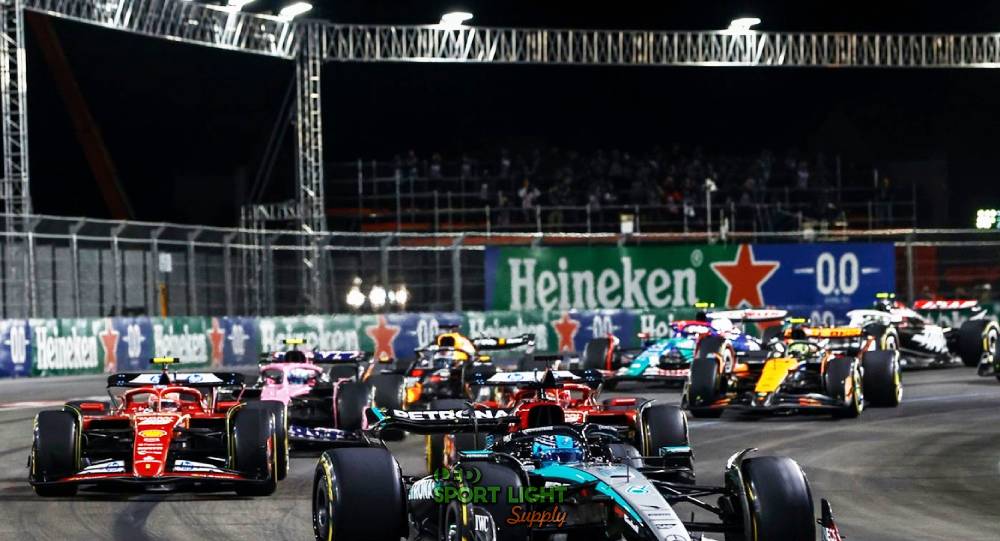
Materials and lighting fixtures generally make up the largest percentage of the project, often between 40% to 60% of the total expenditure. For a mid-sized race track with a 1.5 to 2.5 km layout, the number of lighting fixtures needed can range from 150 to 300, depending on track shape, desired lux level, and uniformity ratios. High-performance LED luminaires suitable for sports-grade outdoor use typically cost between $800 and $2,000 per unit. For top-tier fixtures with smart optics and dynamic color control, prices can exceed $2,500 each.
Supporting materials such as galvanized steel or concrete poles range from $500 to $1,500 each depending on height and mounting requirements. High-mast poles—especially those over 20 meters—require additional base reinforcement, increasing foundation costs by another $2,000 to $4,000 per location. Cables, junction boxes, conduits, connectors, and weatherproof enclosures may account for another $100,000 to $300,000 depending on the total wattage and cable run length. Tracks located in coastal, mountainous, or desert environments often need IP66 or IP67-rated fixtures, which are more expensive due to corrosion resistance and durability specifications.
Installation costs depend heavily on site accessibility, regional labor rates, and the scale of the system. Labor for a full-track lighting installation might represent 20% to 30% of the total cost. Hiring certified electricians, trenching crews, crane operators, and safety personnel may cost anywhere between $150,000 and $400,000 on a mid-range track project. In urban areas or regions with strong labor unions, hourly rates for licensed electricians can exceed $90 to $150 per hour, and projects involving multiple shifts or weekend work will incur premium charges.
If the project includes underground cabling, trenching costs alone may add $20 to $50 per linear foot, with total trenching often exceeding 5,000 to 10,000 feet. Additional costs for crane rentals, bucket lifts, and scaffolding can range from $10,000 to $50,000 depending on installation timeline and terrain difficulty. Installation during tight time windows, such as before a high-profile race or during offseason track upgrades, may trigger rush fees or overtime charges that significantly increase the labor budget.
Digital control systems allow for automated dimming, scheduling, and energy monitoring, improving efficiency and flexibility during race events. A basic programmable control panel with circuit-level switching may cost $15,000 to $30,000. More advanced systems that include DMX control, wifi-connected fixtures, or cloud-based dashboards can cost $50,000 to $100,000 depending on the number of fixtures, user interface features, and integration with existing building management systems.
Some systems also offer motion detection, weather adaptation, or integration with timing and safety systems on the track. These upgrades add both hardware and software costs but allow operators to fine-tune lighting levels for energy conservation or enhanced performance during rain or nightfall. For international circuits aiming to host major televised events, broadcasters may also require control interfaces that allow them to synchronize lighting levels with camera exposure, adding another layer of cost.
Compliance with building codes, electrical regulations, and environmental standards introduces administrative and permitting costs that can range from $10,000 to $75,000. Local governments often require site-specific lighting simulations, ecological impact studies, and third-party engineering approvals before construction can begin. If the track is located near residential areas, additional studies may be required to assess light trespass and skyglow, particularly if dark-sky ordinances are in place.
Environmental compliance may involve shielding requirements, use of low blue-light LEDs, or implementation of programmable dimming during off-hours. In some cases, government incentives or tax deductions are available for sustainable lighting installations, but applying for such programs requires legal consultation and documentation. These regulatory tasks often require collaboration between lighting designers, legal consultants, and utility companies—adding time and cost to the project timeline.
While initial installation can represent the bulk of the expense, maintenance and lifecycle costs are vital for long-term budgeting. Traditional systems like metal halide or high-pressure sodium require frequent maintenance due to lamp degradation, ballast failure, and color shifting. Replacing bulbs every 10,000 to 15,000 hours can cost $50 to $150 per lamp, not including labor and equipment rental for access. Over a 10-year period, this could amount to $200,000 to $400,000 in cumulative maintenance costs for a mid-sized track.
In contrast, high-quality LED systems may last 50,000 to 100,000 hours with minimal servicing. However, to maintain peak performance, tracks must conduct routine fixture cleaning, lens inspection, and firmware updates for smart controllers. These tasks often require scissor lifts or boom trucks, and scheduled servicing can cost between $10,000 and $25,000 annually depending on the number of fixtures and the maintenance contract terms.
To reduce long-term costs, many tracks sign extended maintenance agreements with lighting vendors or facility management providers, which typically cost $5,000 to $15,000 per year. These contracts often include fixture replacements, diagnostics, and emergency response services. Factoring maintenance into the total cost of ownership ensures a more realistic understanding of the investment required to keep the lighting system safe, functional, and efficient over its entire operational life.
| Category | LED Lighting | Metal Halide Lighting |
|---|---|---|
| Fixture Cost | $800 – $2,500 per unit | $300 – $600 per unit |
| Fixture Quantity (typical track) | 120 – 150 units | 180 – 220 units |
| System Efficiency | 130+ lumens per watt | 70–90 lumens per watt |
| Energy Use (annual estimate) | ~86,400 kWh | ~240,000 kWh |
| Annual Electricity Cost (@$0.12/kWh) | ~$10,368 | ~$28,800 |
| Expected Lifespan | 50,000 – 100,000 hours | 10,000 – 15,000 hours |
| Maintenance Frequency | Low (lens cleaning, minimal servicing) | High (5–7 bulb replacements over 10 years) |
| 10-Year Maintenance Cost | $50,000 – $100,000 | $150,000 – $250,000 |
| Color Rendering Index (CRI) | 80 – 90+ | 60 – 70 |
| Flicker-Free for Broadcasting | Yes | No (may require add-ons) |
| Warm-Up Time | Instant | 15 – 20 minutes |
| Environmental Impact | No mercury, dark-sky compliant | Contains mercury, higher light pollution |
| Estimated Total System Cost (mid-size track) | $700,000 – $1.2 million | $400,000 – $700,000 |
| Typical 10-Year Energy Savings | Over $180,000 | — |
When comparing the upfront costs of LED and metal halide systems for race track lighting, metal halide technology generally appears more affordable at first glance. A typical 1500W metal halide fixture used in outdoor sports lighting can cost between $300 and $600 per unit. By contrast, a comparable 900W to 1200W LED sports floodlight capable of delivering similar or better lumen output can range from $800 to $2,500 per unit, depending on the brand, optics, housing material, and whether it includes integrated control features.
However, to meet the same lux levels and uniformity standards—particularly for televised or high-speed professional racing—metal halide systems often require a greater number of fixtures to compensate for light spill and poorer beam control. For example, achieving a uniform 1000 lux across a 2-kilometer circuit might require 180–220 metal halide fixtures versus just 120–150 high-efficiency LED units. When scaled across the entire project, this can reduce the total fixture count, wiring complexity, and pole requirements, offsetting some of the LED’s higher per-unit cost.
In terms of installation, metal halide systems can also involve lower wiring gauge requirements and simpler control panels, reducing initial electrical setup costs by approximately 10% to 20%. However, LED systems often include smart controls and modular plug-and-play components that reduce labor time. On average, a full LED lighting system for a medium-sized track may cost between $700,000 to $1.2 million, while a comparable metal halide system may range from $400,000 to $700,000. The cost difference narrows significantly when accounting for lifecycle savings.
Energy efficiency is one of the most tangible advantages of LED technology. A 1500W metal halide fixture can produce around 100,000 to 110,000 lumens with an efficacy of approximately 70–90 lumens per watt. In contrast, a 900W LED fixture may produce 110,000 to 130,000 lumens with an efficacy exceeding 130 lumens per watt. This means LED systems can deliver more light per watt consumed, lowering operating costs over time.
A race track with 200 metal halide fixtures running for 5 hours per night, 4 nights per week, 40 weeks per year could consume approximately:
200 fixtures × 1500W × 800 hours = 240,000 kWh/year
At an average utility rate of $0.12 per kWh, the annual energy cost would be approximately $28,800. In comparison, an LED system using 120 fixtures at 900W would consume:
120 fixtures × 900W × 800 hours = 86,400 kWh/year
That equates to an annual energy cost of just $10,368, saving more than $18,000 per year. Over a 10-year operational period, this difference could exceed $180,000 in energy savings alone, not accounting for increasing utility rates or demand charges for peak usage.
LEDs significantly outperform metal halide in both lifespan and maintenance frequency. A high-quality LED sports light has an expected lifespan of 50,000 to 100,000 hours with less than 30% lumen depreciation. In contrast, metal halide lamps typically last 10,000 to 15,000 hours, with rapid lumen degradation beginning as early as 7,000 hours. This results in uneven lighting, greater color temperature shifts, and a frequent need for re-aiming or recalibrating the system.
A metal halide system over 10 years would require lamp replacements at least 5 to 7 times. With each replacement cycle involving:
$100 per lamp × 200 fixtures + $10,000 – $25,000 in labor and lift rentals
the total maintenance cost could exceed $150,000 to $250,000 during the system’s lifespan. In contrast, LED systems typically do not require lamp replacements and often come with warranties covering 5 to 10 years. Annual maintenance may be limited to cleaning lenses and inspecting wiring, costing only $5,000 to $10,000 per year depending on the system’s complexity and location.
Additionally, LEDs operate at lower temperatures, reducing thermal stress on components and adjacent wiring. This lowers the chance of ballast failure, a common problem with metal halide systems. Over time, fewer service interruptions also translate to less downtime and reduced impact on scheduled race events or public track hours.
From a visual standpoint, LED fixtures offer a range of advantages that impact both audience experience and driver safety. The color rendering index (CRI) of most modern LEDs is above 80, with premium models reaching 90+, making them ideal for live broadcasting, slow-motion replays, and accurate color reproduction on vehicles, sponsor logos, and flags. Metal halide lamps generally have CRI ratings around 60–70, which may be acceptable for general use but are suboptimal for media production.
LEDs also deliver flicker-free illumination, which is essential for high-speed cameras used in motorsports. Broadcast-grade metal halide systems often require additional filters or stabilizers to reduce flicker, adding to cost and complexity. Another major advantage is instant-on capability. LEDs can reach full brightness immediately after being powered on, allowing for rapid recovery after power outages or during staggered event schedules. In contrast, metal halide fixtures typically need 15–20 minutes to reach full output and cannot be restarted instantly after shutdown, posing operational delays.
From an environmental standpoint, LED systems contain no mercury or hazardous gases, which simplifies end-of-life disposal. They are also more compatible with dark-sky compliance through better directional control and shielding, minimizing light pollution and glare for surrounding communities. These characteristics align better with modern sustainability goals, making LEDs more favorable for tracks seeking certifications, grants, or regulatory approval.
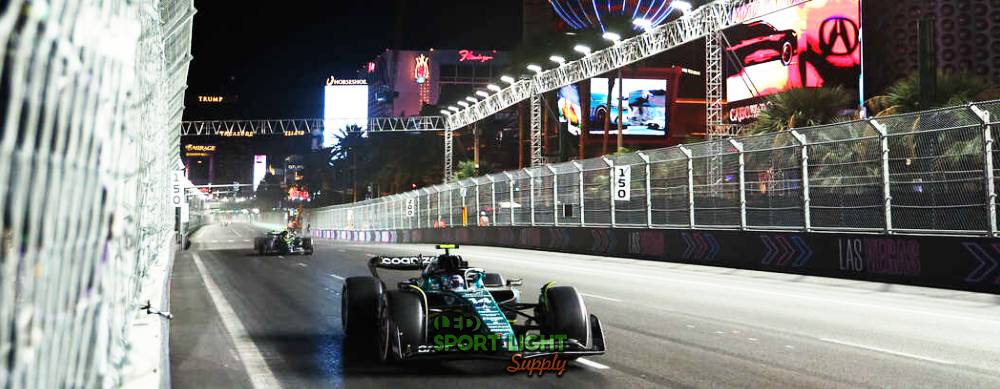
Lighting systems for Formula 1 and FIA-grade circuits represent the most technically advanced and financially intensive in motorsport. Tracks such as Yas Marina in Abu Dhabi and Marina Bay in Singapore have lighting budgets that often exceed $20 million to $30 million. These circuits require full-track illumination with lux levels reaching 1,200 to 1,500 on the racing line, with additional lighting in run-off areas, braking zones, and pit complexes.
To meet global broadcasting standards, high-CRI LED systems with flicker-free operation are used extensively. For example, the Qatar Grand Prix circuit at Lusail uses more than 1,000 lighting poles and over 3,600 fixtures, amounting to a total cost close to $35 million when first installed. These installations often include smart control systems, underground cabling, and remote diagnostics, further increasing capital and maintenance costs. Annual maintenance and energy expenses can exceed $1 million, even with efficient LED technology.
Formula 1 circuits require an extensive number of high-performance lighting fixtures to deliver consistent, uniform illumination across complex track layouts. Circuits like Yas Marina and Marina Bay typically deploy over 3,000 to 4,000 LED fixtures, mounted on more than 1,000 poles strategically placed around the track. These fixtures often range from 1,000 to 2,000 watts each, featuring advanced optics designed to control beam angles precisely, reduce glare, and maintain optimal color rendering for both driver visibility and broadcast quality.
The operational costs for such systems are substantial. Despite the energy efficiency of LED technology, running thousands of high-wattage fixtures for multiple hours during race weekends leads to electricity expenses that can exceed $1 million annually. Maintenance also plays a major role, with dedicated teams required for regular fixture cleaning, alignment checks, and prompt replacements to avoid any lighting disruptions. The integration of smart control systems helps reduce some costs by enabling dynamic dimming and fault detection, but the overall upkeep remains a significant portion of the circuit’s annual budget.
Formula 1 circuits command some of the highest budgets in motorsport lighting, often exceeding $20 million to $30 million due to the extensive infrastructure and performance requirements. These tracks demand full-track illumination with lux levels typically ranging from 1,200 to 1,500 on the racing line, extending to run-off areas, pit lanes, and safety zones. The lighting systems must provide exceptionally uniform brightness with minimal glare to support drivers traveling at speeds above 300 km/h, as well as to meet the stringent visual standards required for global television broadcasts.
Lighting specifications focus heavily on high-CRI, flicker-free LED fixtures that deliver excellent color rendering and stability. The number of lighting poles can exceed 1,000 on circuits like Lusail, with thousands of individual fixtures deployed to achieve consistent coverage. Smart control systems are integrated to allow dynamic dimming, fault detection, and energy optimization, adding complexity and cost. Additionally, the design must account for environmental factors, including weather resistance and minimal light pollution, all of which influence material selection and installation expenses.
Because of the scale and technical sophistication, Formula 1 lighting projects incorporate long-term operational budgeting for energy use and maintenance, often exceeding $1 million annually. These budgets reflect the need for precise calibration, frequent inspections, and rapid repairs to ensure uninterrupted performance during high-profile events.
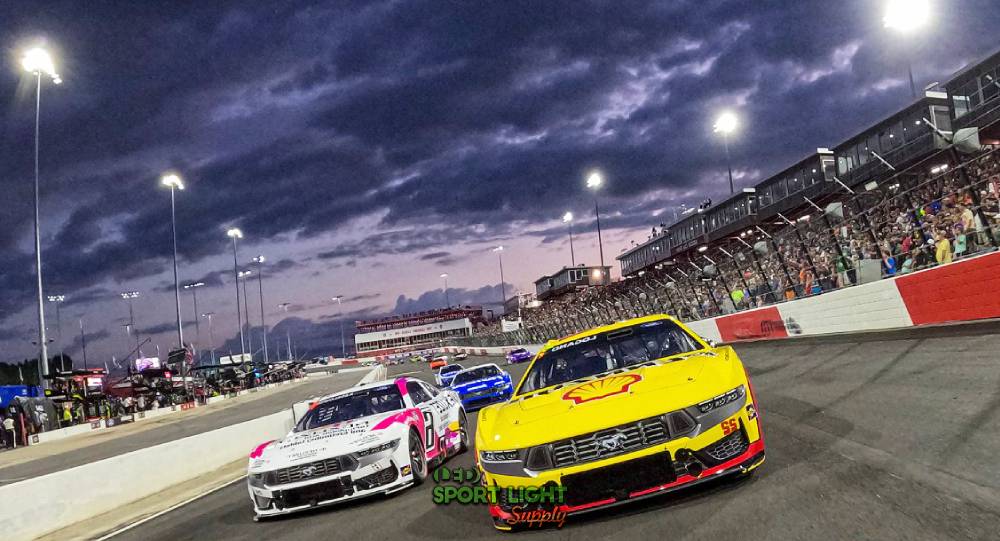
Lighting budgets for NASCAR oval tracks vary widely based on size, racing category, and facility design. Smaller regional dirt ovals used for grassroots NASCAR events may install lighting systems for as little as $250,000 to $500,000. In contrast, large paved speedways such as Daytona International Speedway or Charlotte Motor Speedway often invest between $1.5 million and $4 million on comprehensive lighting systems that meet national competition and broadcast standards.
The oval layout simplifies light distribution, allowing for fewer fixtures compared to more complex road courses. However, the height of lighting poles—frequently reaching 30 to 40 meters—and the need for powerful long-throw beams drive up fixture wattage and costs. NASCAR tracks exposed to heavy dust, vibrations from engine noise, and weather conditions may require fixtures with high-durability housings, pushing the price per unit into the $2,000 range. Annual operating costs, including electricity and routine maintenance, typically range from $50,000 to $120,000, depending on event frequency and local utility rates.
Lighting costs for NASCAR oval tracks vary significantly depending on the facility’s size and prestige. Smaller regional dirt ovals can complete lighting installations for approximately $250,000 to $500,000, which is suitable for local races and limited night events. In contrast, major NASCAR speedways such as Daytona International Speedway or Charlotte Motor Speedway allocate between $1.5 million and $4 million to fully illuminate their ovals, supporting top-tier competitions, large crowds, and high-definition broadcasts.
The symmetrical design of NASCAR oval tracks allows for a reduced number of lighting fixtures compared to road circuits with complex layouts. However, poles must be tall—usually between 30 and 40 meters—to ensure wide, uniform light coverage around the entire track. This requires high-wattage, long-throw fixtures capable of delivering consistent illumination without shadows or dark spots. Durable housings are necessary to withstand environmental factors such as dust and vibration typical of NASCAR events. Operating costs, including electricity and maintenance, generally range from $50,000 to $120,000 annually, influenced by the number of events and local electricity pricing.
Go-kart tracks, driver training facilities, and community circuits tend to operate on modest budgets. A small outdoor karting track may be illuminated for $50,000 to $150,000, using modular LED floodlights mounted on shorter poles between 6 to 10 meters. These venues often target lux levels of 150 to 300, sufficient for safety and visibility without over-lighting the surface.
To manage costs, many of these facilities limit illumination to specific zones or operating hours. For tracks that incorporate programmable RGB or entertainment lighting, total costs may increase by $20,000 to $40,000 depending on the level of dynamic control and branding involved. Operating costs are relatively low, with annual electricity consumption often under 20,000 kWh, translating to less than $3,000 per year in utility fees
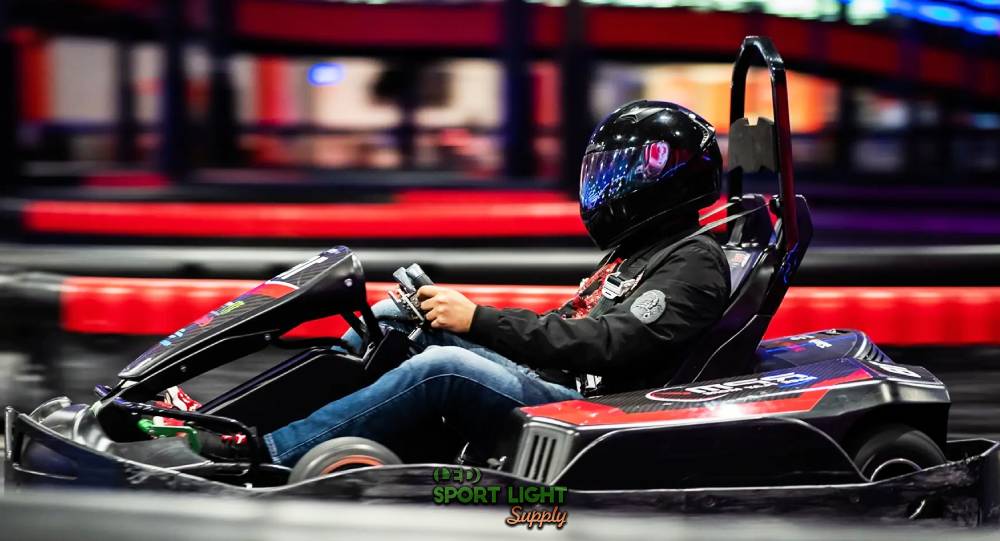
Go-kart tracks, driver training centers, and community racing circuits typically operate with smaller budgets. A basic outdoor karting track can be illuminated for approximately $50,000 to $150,000, utilizing modular LED floodlights mounted on poles ranging from 6 to 10 meters in height. These setups usually aim for lux levels between 150 and 300, providing adequate visibility and safety while avoiding excessive brightness that could cause glare or visual discomfort.
To keep costs manageable, many local tracks limit lighting to essential zones or specific operating hours rather than full-track illumination. Facilities that incorporate programmable RGB or entertainment lighting systems can expect additional expenses ranging from $20,000 to $40,000, depending on the complexity of controls and the desired lighting effects for events or branding. Annual energy consumption for these tracks tends to be under 20,000 kWh, resulting in utility costs below $3,000 per year, making them economical to operate over time.
Endurance events such as the 24 Hours of Le Mans and Daytona demand a unique lighting approach. The Le Mans Circuit de la Sarthe spans over 13.6 km, of which only certain sectors—like the Porsche Curves and start/finish straight—are permanently illuminated. Where lighting is used, the systems must withstand non-stop operation, extreme temperature shifts, and rapid driver fatigue cycles.
Installing full-track lighting for an endurance circuit could cost $10 million to $20 million depending on terrain and zoning requirements. Facilities that do not light the full circuit rely on vehicle headlights and supplemental lighting only in high-risk areas. Daytona International Speedway, hosting its own 24-hour event, utilizes permanent high-output fixtures with costs nearing $4 million. Energy costs for full-night events can exceed $25,000 per weekend, especially when running at maximum lux levels for extended periods.
Endurance racing events like the 24 Hours of Le Mans and the 24 Hours of Daytona present specialized lighting demands due to their continuous nighttime operation. The Le Mans Circuit de la Sarthe stretches over 13.6 kilometers, but only selected sections such as the Porsche Curves and the start/finish straight are permanently illuminated. Lighting in these areas must be robust enough to operate continuously, endure significant temperature variations, and help drivers maintain focus during fatigue-intensive night hours. Where full-track lighting is not installed, reliance on high-performance vehicle headlights and targeted supplemental lighting becomes critical.
Installing full-track lighting for an endurance circuit can require capital investments between $10 million and $20 million, depending heavily on the track’s terrain, length, and lighting zoning requirements. Daytona International Speedway, which hosts a prominent 24-hour race, employs permanent high-output lighting systems with an estimated cost nearing $4 million. Energy consumption during these prolonged events can be substantial, with electrical costs often surpassing $25,000 per race weekend when operating at peak lux levels for extended durations.
Street circuits such as Monaco and Singapore introduce logistical and technical lighting challenges that significantly elevate cost. These temporary installations must be assembled and disassembled within narrow time windows and conform to complex urban infrastructure. Setup often involves temporary high-mast lighting rigs, reinforced trusses, and protective shielding for historic buildings and pedestrian pathways.
Lighting systems for these events typically cost between $8 million and $15 million, with Singapore’s Marina Bay circuit estimated to have spent nearly $12 million on lighting alone. Achieving uniform night racing conditions across city streets lined with buildings and varying surface reflectivity requires densely spaced fixtures with narrow-beam LEDs to avoid glare. Rental, storage, and transport of temporary lighting gear can add another $1 million to the event budget. Due to energy demands, temporary generators or grid hookups are often used, sometimes costing $100,000+ for a single race weekend.
Street circuits like Monaco and Singapore present unique logistical and technical challenges that significantly increase lighting costs. Unlike permanent tracks, these temporary urban circuits must be installed and dismantled within very tight timeframes, often just days before and after the event. The lighting infrastructure must adapt to complex city environments, incorporating temporary high-mast lighting rigs, reinforced trusses, and protective measures to safeguard historic buildings and pedestrian areas. This complexity requires meticulous planning and specialized equipment.
Lighting systems for street and temporary urban circuits typically incur costs between $8 million and $15 million. For example, Singapore’s Marina Bay circuit alone reportedly invested close to $12 million in lighting to achieve consistent night racing conditions across roads lined with buildings and variable reflective surfaces. The densely spaced, narrow-beam LED fixtures are designed to minimize glare and light spill, enhancing driver visibility and broadcast quality. Additional expenses such as rental, transportation, and storage of lighting equipment can add around $1 million to the budget. Due to the substantial power demand, temporary generators or specialized grid connections may be required, sometimes costing over $100,000 for a single race weekend.
Compared to permanent circuits such as Formula 1 road courses or oval speedways, street circuits generally have higher upfront and operational costs per event due to their temporary nature and urban constraints. Permanent tracks benefit from fixed infrastructure, easier access for maintenance, and more predictable installation conditions. In contrast, street circuits must contend with traffic management, city permits, and the challenges of illuminating surfaces with diverse textures and obstructions. While endurance and permanent racing facilities focus on long-term efficiency and lifecycle costs, urban tracks emphasize mobility, setup speed, and minimizing disruption to the city, which drives unique cost structures.
Motorcycle circuits, such as those used in MotoGP, WorldSBK, or regional superbike series, require particularly refined lighting due to the nature of the sport. Unlike race cars, motorcycle riders are directly exposed, and their head and eye position shift dynamically during leaning maneuvers. This makes lighting placement and angle even more sensitive.
Tracks like Lusail in Qatar and Sepang in Malaysia feature lighting systems designed specifically for motorcycle visibility. The lighting budget for a MotoGP-ready facility can range from $3 million to $8 million, depending on the number of turns, speed zones, and safety requirements. Lux levels are often around 1000 to 1200 to ensure no shadows form beneath the rider’s helmet visor or around tire contact points. Special attention is given to track edges and apexes, where transitions in light must remain seamless.
Maintenance routines are strict, as even minor alignment shifts or lens fogging can disrupt rider focus. For this reason, annual servicing costs are often higher than for equivalent car circuits—ranging from $100,000 to $200,000 depending on climate and usage frequency.
Motorcycle circuits require carefully planned budgets that reflect the specialized lighting needs of the sport. Compared to other racing formats, these circuits allocate between $3 million and $8 million for lighting systems that provide high-intensity, uniform illumination while addressing rider safety concerns. The lighting specifications usually target lux levels of 1000 to 1200, ensuring that critical areas such as corners, braking zones, and straightaways are evenly lit without creating harsh shadows or glare that could distract riders.
The design also emphasizes fixture placement and beam angles that accommodate the rider’s shifting posture and line of sight during aggressive lean angles. This leads to the use of specialized optics and high-CRI LED fixtures capable of delivering crisp color rendering and flicker-free performance, which enhances visibility and helps reduce eye strain. Budgeting must also consider the durability of equipment, as motorcycle circuits often experience variable weather conditions and vibrations that necessitate robust housings and frequent maintenance.
Overall, the lighting system budget for motorcycle tracks includes not only the upfront capital costs but also ongoing operational expenses, such as maintenance and energy consumption, making comprehensive financial planning essential to support both race safety and broadcast quality.
Motorcycle racing presents unique lighting challenges compared to car racing due to the rider’s direct exposure and dynamic body positioning during sharp leaning maneuvers. Lighting placement and beam angles must be meticulously planned to eliminate shadows around the rider’s helmet visor and tire contact patches. Ensuring seamless illumination at track edges and apexes is vital to help riders maintain depth perception and precise line judgment at high speeds.
Before a race track lighting system is installed, detailed energy load calculations are essential to understand the total power demand. Energy consultants analyze the wattage requirements of each lighting fixture, taking into account factors such as power factor and additional systems like cooling fans or data communication devices. This comprehensive evaluation informs the design of the electrical infrastructure, including the capacity and placement of transformers, switchboards, circuit breakers, and backup power sources. Accurate load calculations help prevent overloading the grid, reduce risks of power failure during events, and ensure that the system runs efficiently without excess energy consumption.
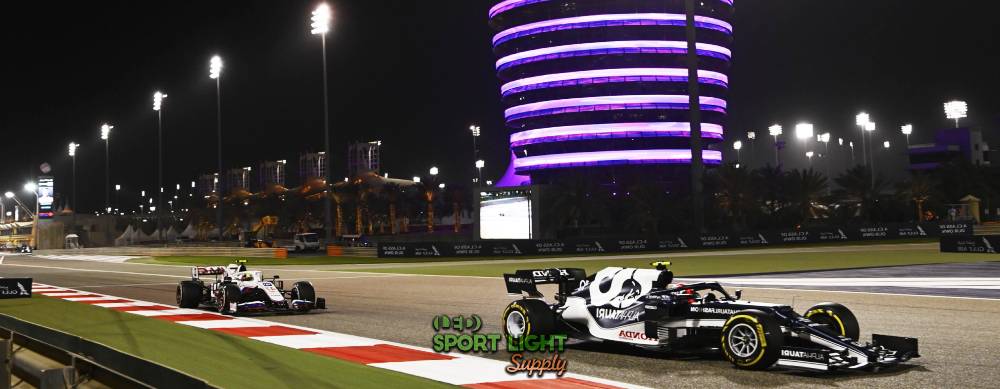
Modern race tracks implement sophisticated load-shedding and energy optimization protocols to minimize electricity use during off-peak periods or when portions of the track are not in use. Sensors and occupancy detectors can identify inactive sections and automatically dim or switch off lights in those areas. Schedule-based dimming controls allow lighting to adjust dynamically according to event phases, such as practice sessions, qualifying, or race day. These strategies not only decrease operational costs but also reduce the environmental impact associated with large-scale lighting systems, making race events more sustainable.
In response to growing sustainability initiatives, several race tracks are exploring the integration of renewable energy sources like solar panels and wind turbines into their power systems. Although these renewables typically cannot fully power the lighting requirements of a night race, they can significantly offset daytime energy consumption for track facilities, offices, and auxiliary lighting. Some circuits incorporate battery storage solutions to capture excess renewable energy for later use. This integration lowers dependency on traditional power grids, helps reduce carbon footprints, and aligns motorsport with global environmental goals.
Formula 1 tracks often require the highest electrical capacity among motorsport venues, with lighting systems consuming several megawatts during race events. For example, the Lusail International Circuit’s lighting load can exceed 3.5 MW, necessitating robust transformers and redundant power supplies to ensure uninterrupted operation. Due to the high energy demand, F1 circuits often deploy advanced load management systems, including segmented dimming and real-time monitoring, to optimize consumption across multiple lighting zones. While renewable energy integration is still emerging, some circuits have started pilot projects to use solar power for track facilities and support functions.
Endurance circuits like Le Mans face unique challenges with continuous, long-duration lighting requirements. The partial permanent lighting combined with vehicle headlights means energy consumption varies throughout the race. The lighting system at Le Mans uses carefully calculated load profiles to ensure critical sections maintain proper illumination without excessive power use. Power management systems are essential for balancing energy loads during non-race hours and reducing costs. Some endurance venues are experimenting with renewable energy to support day-to-day operations, although full race illumination remains grid-dependent.
Smaller go-kart tracks and local racing facilities benefit from comparatively lower electricity consumption, typically under 50 kW during operation. Due to their modest fixture wattages and shorter operating hours, power infrastructure requirements are less complex, often relying on existing grid connections without need for major upgrades. Load-shedding and dimming are commonly used to limit power consumption during practice sessions or non-race periods. While renewable energy integration is less common at this scale, some community tracks use solar panels for facility lighting and maintenance buildings.
Temporary street circuits require intense but short-term power surges to operate thousands of fixtures over a few days. Due to the lack of permanent infrastructure, event organizers often rent or install mobile generators and temporary switchgear capable of handling high loads, sometimes exceeding 2 to 3 MW. Load-shedding is particularly valuable to avoid excessive fuel consumption and emissions from generators. As cities push for greener events, there is growing interest in hybrid power solutions combining grid electricity with renewables or battery storage for temporary tracks.
Motorcycle circuits operate lighting systems that demand high precision but often consume less total power than large car racing venues, typically in the range of 500 kW to 1.5 MW. Load calculations focus on ensuring that power is distributed evenly to avoid dark spots or glare that can compromise rider safety. Many motorcycle tracks employ load-shedding to dim non-critical sections during practice or qualifying, preserving energy. Renewable energy integration remains limited but could grow as sustainability initiatives expand within motorcycle racing.
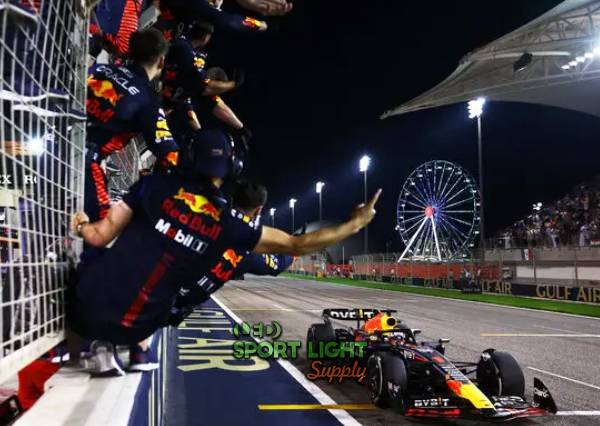 Securing financial support through grants can greatly alleviate the financial challenges associated with installing or upgrading race track lighting systems. Modern lighting solutions, especially energy-efficient LED technologies, often require significant upfront investment. Fortunately, a variety of grant programs exist at local, national, and international levels to support such projects. These grants are offered by government agencies, environmental organizations, sports associations, and private foundations. Their goals typically revolve around promoting sustainability, improving safety standards, and advancing technological innovation within sporting venues. By taking advantage of these funding opportunities, track owners and managers can reduce capital expenditure and accelerate the modernization of their facilities.
Understanding the range of available grants, their specific focus areas, eligibility requirements, and application procedures is a vital first step for those seeking financial assistance. Grants can differ widely in their scope, with some aimed at supporting energy efficiency upgrades, others targeting safety and spectator experience enhancements, and some focusing on boosting the profile of motorsport venues on regional, national, or international stages. Awareness of these nuances helps track operators tailor their proposals to align with grant objectives and maximize the likelihood of success.
National and local governments frequently provide grants, rebates, or tax incentives designed to encourage the adoption of energy-saving technologies across various sectors, including sports facilities. These programs often prioritize the replacement of traditional lighting systems—such as metal halide or high-pressure sodium lamps—with modern LED solutions. By reducing electricity consumption and lowering greenhouse gas emissions, these initiatives support broader environmental policies and climate action goals.
For race tracks, government energy efficiency grants can cover a substantial portion of equipment and installation costs for LED lighting systems. Some programs also provide technical support, including energy audits and feasibility assessments, which help project managers optimize system design for maximum efficiency. The financial incentives not only ease the burden of initial capital expenditure but also improve long-term operational savings, making energy-efficient lighting upgrades more financially viable.
In addition to environmental grants, sports organizations and motorsport governing bodies may offer dedicated funding to support infrastructure improvements at race tracks. These grants often focus on enhancing safety features, improving track lighting quality, and upgrading facilities to meet the requirements of sanctioned competitions. Lighting plays a critical role in driver safety and spectator visibility, so many motorsport associations prioritize grants that help tracks meet or exceed relevant lighting standards.
Some grants target tracks that host nationally or internationally recognized events, as these venues have stricter lighting requirements due to broadcast standards and the scale of audience attendance. By providing funding for lighting improvements, these organizations help elevate the profile of the sport and ensure that races can be held safely during evening or night conditions. Motorsport development grants may also incentivize the incorporation of cutting-edge technologies such as adaptive lighting controls or integration with broadcasting systems.
Applying for grants requires detailed project proposals outlining objectives, budgets, and expected outcomes. Track owners typically need to demonstrate how the lighting upgrade aligns with the grant’s goals, such as energy savings or improved safety. Eligibility can depend on factors such as track size, location, and type of racing hosted. Understanding documentation requirements and deadlines is vital to maximize chances of approval.
Crafting a compelling grant proposal is a fundamental step in securing funding for race track lighting projects. A well-prepared proposal clearly communicates the scope and objectives of the lighting upgrade, emphasizing tangible benefits such as projected energy savings, enhanced safety for drivers and spectators, and improvements in media and broadcast quality. Demonstrating how the project aligns with the goals of the funding organization—whether environmental sustainability, safety enhancement, or technological advancement—strengthens the application.
Incorporating detailed technical information is highly recommended to boost credibility. Including photometric studies provides evidence of the lighting design’s effectiveness in achieving uniform illumination and minimizing glare. Accurate cost estimates that cover equipment, installation, and ongoing maintenance show that the project is financially viable and well-planned. Additionally, a clear maintenance strategy ensures the long-term sustainability of the lighting system. Collaboration with experienced lighting engineers, consultants, or energy auditors can lend technical expertise to the proposal, help navigate complex grant requirements, and ensure that all necessary criteria are thoroughly addressed.
Effective communication within the proposal, supported by data and expert opinions, can distinguish an application from others and increase its chances of approval. Emphasizing community or environmental benefits and illustrating alignment with local or national policies often adds further weight.
Most grant applications require a comprehensive set of supporting documents that demonstrate the project’s legitimacy, feasibility, and compliance. Proof of ownership or a valid lease agreement for the race track site is typically necessary to establish legal authority for the project. Financial statements or budget summaries may be requested to verify the applicant’s ability to manage funds responsibly and to cover any cost share obligations.
Environmental impact assessments or sustainability reports are often essential, especially for grants focused on green technologies or energy efficiency. These documents show that the project considers ecological factors and aims to reduce negative environmental effects. Detailed project timelines, including milestones for design, procurement, installation, and commissioning phases, help reviewers assess project readiness and feasibility within the grant period.
Evidence of compliance with local zoning laws, electrical codes, and safety regulations is another common requirement. This documentation ensures that the project adheres to legal standards and avoids potential delays. Clear, organized submission of these materials improves transparency and can expedite the grant review and approval process, ultimately benefiting the track owners by enabling a smoother funding experience.
Besides grants, race tracks can explore alternative funding options including sponsorship deals, public-private partnerships, and low-interest loans targeted at green infrastructure projects. Leveraging multiple funding streams may provide greater flexibility and reduce the upfront financial burden.
Establishing partnerships with corporate sponsors represents a powerful strategy for race tracks looking to finance lighting projects without relying solely on grants or internal capital. Many companies, particularly those focused on sustainability, clean energy technologies, or motorsport-related products, see value in associating their brand with high-profile sporting venues. By sponsoring lighting upgrades, these corporations can showcase their commitment to environmental responsibility and innovation, reaching a targeted audience of motorsport fans, industry professionals, and media viewers.
Sponsors often receive prominent branding opportunities, including logo placement on lighting poles, advertising boards, or digital displays around the track. Their involvement can also extend to broadcast materials, promotional campaigns, and social media coverage, offering extensive visibility during major racing events. This mutually beneficial arrangement helps tracks reduce upfront costs and ongoing expenses, while sponsors gain marketing advantages and positive public relations exposure. Moreover, strong partnerships may open doors to future collaborations, such as technology trials or co-branded sustainability initiatives, deepening the relationship beyond a single project.
For race tracks that prefer to maintain ownership and control over their lighting projects without diluting equity or sharing sponsorship rights, loans and financing programs offer an attractive alternative. Many financial institutions and specialized lenders now provide tailored loans for infrastructure upgrades that focus on energy efficiency or community development. These loans often come with favorable terms, such as lower interest rates, extended repayment periods, or flexible draw schedules, recognizing the long-term cost savings and societal benefits associated with improved lighting systems.
Accessing such financing allows tracks to spread the capital expenditure over time, improving cash flow management and enabling investment in higher-quality or more advanced lighting technologies. Additionally, some lenders may require energy savings guarantees or project performance metrics, encouraging track owners to adopt best practices in system design and maintenance. By leveraging loans strategically, race tracks can accelerate modernization efforts while preserving financial stability and preparing for future operational savings.
One effective way to manage lighting expenses is to implement the lighting system in phases rather than completing the entire installation at once. Phased installation allows race track operators to spread capital expenditures over multiple fiscal periods, improving cash flow management and reducing financial strain. It also provides the opportunity to evaluate each segment of the lighting system as it is installed, ensuring that performance meets expectations before proceeding further. This approach can be particularly beneficial for larger or more complex circuits where lighting needs may vary between different track sections.
Each phase can be designed to seamlessly integrate into an overall master control system, allowing the entire lighting infrastructure to operate cohesively once fully implemented. Additionally, phased rollouts enable facilities to adapt to evolving operational requirements, technological advancements, or budget changes. Incremental installation also permits training of maintenance staff and fine-tuning of lighting controls in manageable sections, ultimately contributing to long-term cost efficiency.
Negotiating with lighting vendors and suppliers is a strategic way to reduce upfront costs and secure better value over the project lifecycle. Purchasing lighting fixtures, poles, cabling, and other materials in bulk often results in significant per-unit discounts, especially when ordered from reputable manufacturers or through established supply chains. Bulk purchasing can also reduce shipping and handling fees, further lowering overall expenses.
Beyond price negotiations, track operators should discuss warranties, service agreements, and delivery schedules with vendors to prevent unforeseen costs during installation or early operational phases. Well-negotiated service contracts can include provisions for replacement parts, routine maintenance visits, and emergency repairs, helping to stabilize long-term expenses. Establishing strong vendor relationships can also lead to preferential treatment or priority service, which is valuable during event preparation and peak usage periods.
Developing and adhering to a preventive maintenance plan is vital for controlling ongoing lighting expenses. Regular inspection of fixtures, including cleaning of lenses and checking mounting hardware, helps maintain optimal light output and reduces the risk of performance degradation. Routine maintenance can identify minor issues before they escalate into costly repairs or replacements.
A well-structured maintenance schedule minimizes unplanned downtime, which is especially important during high-profile events where lighting reliability is paramount. Tracking the operational hours of fixtures and proactively replacing components such as lamps or ballasts according to manufacturer recommendations extends the lifespan of the system. Preventive care also preserves energy efficiency by ensuring all elements operate as designed, reducing waste and contributing to lower electricity bills.
Race track lighting is a major financial commitment that encompasses far more than the cost of fixtures and poles. From planning and design to maintenance and energy optimization, the process involves multiple layers of investment. While the initial costs can be substantial, particularly for international-standard tracks or broadcast venues, long-term operational savings and performance gains can balance the expenditure. Choosing energy-efficient technology, working with experienced designers, and employing smart control systems help create a lighting environment that meets safety, performance, and economic goals. Ultimately, each racing facility must weigh the trade-offs between upfront investment and operational sustainability to build a lighting system that supports its long-term vision.