


Lacrosse has changed a lot over the past decade. Fields that once shut down at sunset are now expected to host evening practices, league matches, tournaments, and even community events. Lighting is no longer just about visibility. Buyers are thinking about player comfort, energy bills, nearby residents, long-term upkeep, and whether the system will still make sense ten years down the road. Getting the lighting right can quietly improve how a field is used, booked, and perceived.
Whether you’re upgrading an existing field or planning a brand-new one, understanding how lacrosse field lighting works helps avoid costly missteps and design regrets later on.
When people start planning lighting for a lacrosse field, the conversation usually begins with what’s already out there. For years, metal halide and high-pressure sodium lights were the standard setup for outdoor lacrosse fields, especially at public high schools and municipal parks. These fixtures are powerful and can push out a lot of light, which is why they were widely used for evening games and late-night practices.
That said, anyone who has coached or played under these lights knows their quirks. Metal halide systems often take 10 to 20 minutes to reach full brightness, which can be frustrating when practices run late or a game needs to restart after a power interruption. Over time, the light output also drops off, sometimes losing 30 percent or more of its original brightness within a few years. For a fast-paced sport like lacrosse, where players rely on quick stick work, accurate passing, and tracking a small ball moving at high speed, inconsistent lighting can become noticeable on the field.
Energy use is another factor buyers pay attention to. Traditional fixtures for a full-size lacrosse field often run at 1,500 to 2,000 watts per fixture, and a typical field may need anywhere from 12 to 20 fixtures. That kind of load adds up quickly during a long spring season filled with daily practices and weekend tournaments.
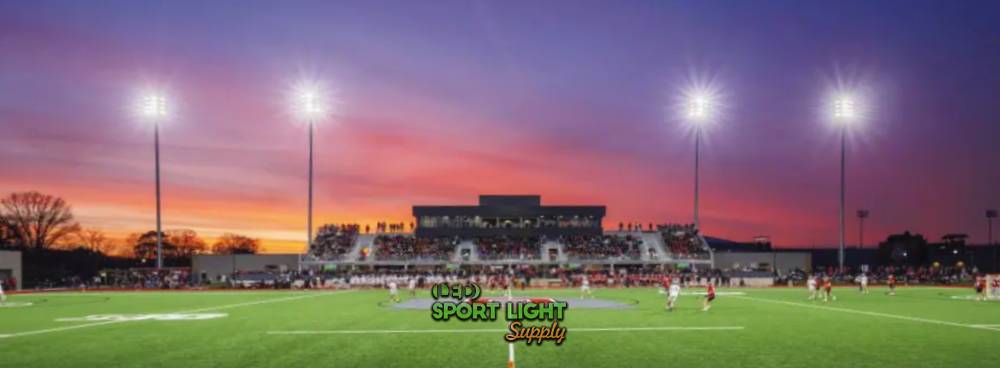
Over the past decade, LED sports lighting has become the preferred option for new lacrosse fields and retrofit projects. One big reason is how well LEDs fit the way lacrosse is actually played today. The lights turn on instantly, so there’s no waiting around for warm-up. Brightness stays consistent year after year, which helps players see the ball clearly whether it’s a ground ball battle near the crease or a long outlet pass from the defensive end.
From a numbers standpoint, the efficiency gap is hard to ignore. A modern LED fixture designed for lacrosse fields typically draws 500 to 1,200 watts, depending on the optic and mounting height. When you multiply that across an entire field, energy savings of 50 to 70 percent compared to older systems are pretty common. For schools or park departments running lights four to six hours a night during peak season, that can mean thousands of dollars saved annually.
LEDs also offer better control over light distribution. Sports-specific optics are designed to match lacrosse field dimensions, helping light reach the sidelines, substitution areas, and both creases evenly. That kind of coverage supports safer play and a more consistent experience for athletes, officials, and spectators.
Another question buyers often raise is whether to go with fixed lighting or a portable setup. Fixed systems are mounted on permanent poles and are built with long-term lacrosse use in mind. These systems are designed to handle the full field length of 110 yards and provide uniform coverage across the entire playing surface. For competitive leagues, school programs, and multi-field complexes, fixed lighting is usually the clear choice.
Portable lighting does have its place, especially for youth lacrosse clinics, temporary practice fields, or overflow training areas. However, portable units usually can’t match the mounting height or aiming precision of permanent poles. That often results in uneven lighting, more shadows around the crease, and higher glare for players looking up for passes or shots.
For regulation games, night tournaments, and fields that host both boys’ and girls’ lacrosse at higher levels, permanent LED lighting systems tend to deliver the consistency and durability buyers are looking for. They’re designed to stand up to years of use, changing weather, and the evolving demands of modern lacrosse programs, all while keeping operating costs under control.

When people talk about how bright a lacrosse field should be, they’re usually referring to lux or foot-candles (fc). Lux is the metric measurement used in many international standards, while foot-candles are still widely used across the US. The conversion is straightforward, with 1 foot-candle equaling about 10.76 lux, but in real-world projects, both numbers often show up in lighting plans and proposals.
For lacrosse buyers, these numbers aren’t just technical jargon. They directly affect how clearly players can see the ball, read the play, and react at game speed. Lacrosse is fast, with frequent long passes, quick dodges near the crease, and shots that can travel well over 90 miles per hour at higher levels. Consistent light levels help keep play smooth and reduce visual fatigue during evening games.
Lighting requirements vary significantly depending on how a lacrosse field is used, from casual recreation to nationally televised competition.
For recreational leagues, youth programs, and general training, lighting levels are typically modest. Fields are often illuminated to around 200 lux (approximately 20 foot-candles). This level is sufficient for practices, drills, and informal games where play speed is moderate and officiating demands are minimal.
High school lacrosse requires a brighter and more consistent lighting environment. Competitive matches generally target 300 to 400 lux (30 to 40 foot-candles) to support faster gameplay, clearer visibility of the ball, and accurate officiating. Uniform coverage across the entire playing surface is important, including substitution areas and team benches where activity continues throughout the match.
Collegiate lacrosse, including NCAA competition and showcase events, raises the standard further. Fields are commonly designed to achieve approximately 500 lux (around 50 foot-candles) of average horizontal illumination. At this level, lighting must balance brightness, uniformity, and glare control to support high-level play during extended night games.
When broadcast or streaming coverage is required, lighting expectations increase again. NCAA and professional-style broadcasts typically call for 1,000 lux or more (about 75 to 100+ foot-candles), along with tighter uniformity ratios and strong vertical illumination for camera angles. These higher levels ensure sharp image quality, accurate color reproduction, and consistent exposure for HD and 4K cameras, while still maintaining player comfort and visual clarity on the field.
Brightness alone doesn’t guarantee good lighting. Uniformity plays a huge role in how a lacrosse field actually feels once the whistle blows. If one end of the field is noticeably brighter than the other, players can struggle with depth perception, especially when tracking lofted passes or clearing the ball out of the defensive zone.
Uniformity ratios describe the relationship between the brightest and darkest areas of the field. For competitive lacrosse, buyers often look for ratios between 1.5:1 and 2:1, which helps maintain a consistent visual experience from sideline to sideline. Better uniformity means fewer shadows around the crease and more predictable lighting across the midfield, where transitions happen quickly.
Glare is one of the most common complaints from players, goalkeepers, and spectators. A poorly aimed fixture can send light straight into a goalie’s line of sight during a shot or distract players looking up for a pass. Over time, glare can also contribute to eye strain, especially during back-to-back games or tournaments.
Modern lacrosse lighting systems address this with sports-specific optics and precise aiming angles. These designs focus light onto the playing surface while reducing spill into the stands, nearby streets, or adjacent fields. For facilities located near residential areas, managing light spill isn’t just about comfort, it also helps meet local regulations and maintain good relationships with neighbors.
By paying attention to lighting levels, uniformity, and glare control, buyers can create a lacrosse field environment that supports safe, high-quality play and feels right for everyone involved, from athletes and officials to fans on the sidelines.
| Lacrosse Level | Lux | Foot-Candles (fc) |
|---|---|---|
| Training / Recreational | ~200 | ~20 |
| High School Competition | 300 – 400 | 30 – 40 |
| Collegiate / Showcase | ~500 | ~50 |
| Uniformity Ratio | 1.5:1 – 2:1 | — |
| Unit Conversion | 1 fc ≈ 10.76 lux | — |
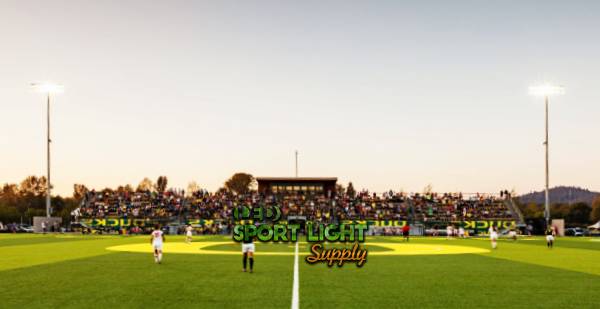 Lighting design is often the difference between a field that simply looks bright and one that actually plays well at night. A solid design finds the sweet spot between brightness, coverage, visual comfort, and energy efficiency, without turning the system into something overly complex or expensive to maintain. For lacrosse, where play moves quickly from end to end, lighting has to keep up without distracting players or officials.
Good design starts with understanding how the field is used. A field hosting daily practices, weekend games, and occasional tournaments has very different needs than a training-only surface. Designers factor in how often the lights will run, how long games last, and whether the field hosts multiple age groups or competition levels.
Lacrosse places unique visual demands on lighting compared to other field sports. Players frequently look up to track long passes, officials need clear views during fast breaks, and goalkeepers rely on stable lighting near the crease to react quickly to shots. A lighting design that works for soccer or football doesn’t always translate cleanly to lacrosse without adjustments.
Designers take these movement patterns into account, shaping light distribution so it supports ball tracking, depth perception, and quick decision-making across the entire field. The goal is lighting that feels natural during play, rather than something players have to consciously adapt to.
Beam angles and optics are where lighting design gets technical, but the impact is easy to feel on the field. Pole height, setback distance, and overall field dimensions all influence how light should be delivered. Taller poles allow fixtures to throw light farther and reduce harsh angles, which can help with glare control during high passes or shots on goal.
Narrow beam optics are typically used to push light across longer distances, such as from the sidelines toward the center of a full-sized lacrosse field. Wider beams work better for closer coverage near the poles and along the sidelines. On most competitive lacrosse fields, designers mix different optics within the same project to keep light levels even from the creases to the midfield stripe.
This approach helps players track the ball smoothly whether it’s a quick feed near the goal or a long clear from the defensive end. It also supports officials who need clear sightlines across the entire field during fast transitions.
Light spill and trespass have become bigger concerns, especially as more lacrosse fields are built near neighborhoods, schools, and shared recreational spaces. Nobody wants light shining into bedroom windows or across nearby roads late at night. From a buyer’s perspective, dealing with these issues early can prevent complaints and avoid costly adjustments later.
Designers use shields, louvers, and precise aiming techniques to keep light focused on the playing surface. Modern LED fixtures are especially helpful here because their optics allow tighter control compared to older lighting technologies. Thoughtful design keeps the field bright while respecting the surrounding environment, which is a win for both operators and neighbors.
Environmental conditions play a bigger role in lighting design than many buyers expect. Wind loads affect pole engineering, especially for fixtures mounted at heights of 60 to 80 feet, which are common for lacrosse fields. Strong winds can place significant stress on poles and foundations, so structural calculations are part of the design process.
Weather and location also influence fixture selection. In coastal or high-humidity areas, corrosion-resistant coatings and hardware can add years to a system’s lifespan. In regions with heavy rain or snow, proper drainage and durable seals help protect electrical components, helping the lighting system perform reliably season after season.
The layout of a lacrosse lighting system always starts with the size of the field itself. A standard lacrosse field measures roughly 110 yards long and 60 yards wide, which already puts it on the larger end compared to many outdoor sports surfaces. That extra length and width mean lighting has to cover more ground, especially when the ball is moving quickly from one end to the other during clears and fast breaks.
Because lacrosse play stretches the full field so often, designers pay close attention to how light reaches the midfield area, the substitution box side, and both creases. Even coverage across all these zones helps players keep their bearings during rapid transitions and late-game situations when fatigue starts to set in.
Lacrosse fields have several high-activity areas that influence lighting layout. The midfield line sees constant movement during face-offs and transitions, while the crease areas demand stable lighting for close-range shots and defensive play. Designers consider how these zones interact and ensure light levels remain consistent as play shifts across the field.
The substitution box side is another area that benefits from thoughtful lighting. Clear visibility along the sidelines supports smooth player changes and helps officials manage the game without distraction.
Most full-size lacrosse fields are lit using six to eight poles positioned along the sidelines. Pole heights commonly fall between 60 and 80 feet, depending on the lighting level required and how close the poles can be placed to the field. Taller poles allow fixtures to cast light at wider angles, which can improve uniformity and reduce harsh glare when players look up for high passes.
There’s always a balance to strike here. Taller poles generally mean fewer fixtures and smoother light distribution, but they also come with higher foundation costs and more involved installation. Shorter poles can work, especially for training or recreational fields, but they often require additional fixtures to achieve the same coverage, which can increase both upfront costs and energy use.
Placement also matters. Poles are typically set back from the sidelines to keep them out of the run-off area and protect players during fast-paced play near the boundaries. This setback distance influences optic selection and aiming angles, tying layout decisions closely to the overall lighting design.
For higher-level lacrosse fields, end-zone lighting is sometimes added to supplement sideline poles. This approach is common for collegiate venues, showcase fields, or facilities that host televised games. End-zone fixtures help reduce shadows around the goals, where reaction time is tight and visual clarity matters most.
Goalies, in particular, benefit from this added coverage. Shots come in fast, often from unpredictable angles, and balanced lighting around the crease helps goalkeepers track the ball more effectively. For spectators and cameras, end-zone lighting also improves visibility during scoring plays, which tend to draw the most attention.
When upgrading an older lacrosse field, buyers often ask whether they can reuse existing poles to save on costs. The answer isn’t always straightforward. Factors like pole height, age, foundation condition, and load capacity all come into play. Many older poles were designed for heavier but fewer fixtures, and they may not handle the wind profile of modern LED systems without reinforcement.
A structural assessment can clarify what’s possible. In some cases, poles can be reused with minor modifications. In others, replacement makes more sense for safety and long-term performance. While it adds an upfront step to the project, this evaluation helps avoid issues down the line and ensures the lighting system performs as intended for years of lacrosse play.
Cost is always part of the conversation when planning lacrosse field lighting, and the numbers can vary more than many buyers expect. For a standard full-size lacrosse field, a modern LED lighting system typically falls between USD 150,000 and USD 400,000, with some premium or complex projects going beyond that range. The final figure depends on several moving parts, including fixture quality, pole height, lighting levels, and how challenging the site is to build on.
Fields designed for recreational play usually sit on the lower end of the spectrum, while high school, collegiate, or showcase fields with higher lux targets and tighter uniformity requirements tend to cost more. Buyers planning for televised games or multi-sport use often invest a bit extra upfront to get lighting that can handle broader demands.
Upfront expenses go well beyond the fixtures themselves. The lighting equipment, including LED fixtures and mounting hardware, makes up a significant portion of the budget, but poles and foundations can account for a similar share. Poles in the 60 to 80 foot range require substantial concrete foundations, especially in areas with poor soil conditions.
Electrical infrastructure is another major cost driver. Trenching, conduit, wiring, and connection to the main power supply all vary based on how far the field is from existing electrical sources. Smart controls, such as scheduling systems or dimming capabilities, add to the initial cost but often pay for themselves through reduced energy use and easier operation.
Installation labor can swing the budget noticeably. Sites with rocky soil, limited access for cranes, or tight construction windows tend to push costs higher. On more open sites with good access and straightforward soil conditions, installation tends to move faster and more predictably.
Where LED lighting really stands out is in long-term operation. Compared to older metal halide systems, LEDs commonly reduce energy use by 50 to 70 percent. For a field running lights four to five nights a week during the lacrosse season, that difference can translate into thousands of dollars saved each year.
Maintenance costs are also lower. Traditional systems require regular lamp and ballast replacements, often every few years. LED fixtures, on the other hand, are typically rated for 50,000 to 100,000 hours of use. In practical terms, that often means 15 to 25 years of service before light output drops to a point where replacement becomes necessary.
Fewer maintenance calls not only save money but also reduce downtime, which matters for fields with packed schedules and back-to-back games.
Beyond direct costs, buyers should take time to explore grants and funding options, which can significantly reduce the overall financial burden. Many utility providers offer rebates for energy-efficient lighting upgrades, especially when older systems are replaced with LEDs. These rebates can sometimes cover 10 to 30 percent of the project cost, depending on local programs.
Schools and municipalities may also qualify for state or federal grants focused on energy efficiency, sustainability, or community recreation improvements. In some regions, sports field lighting upgrades can be bundled into broader infrastructure or green initiative funding, making approval easier.
Private clubs and non-profit organizations sometimes access funding through sports development grants or partnerships with local sponsors. While the application process can take time, the payoff is often worth it, especially for larger projects.
| Category | Typical Numbers |
|---|---|
| Total Project Cost | USD 150,000 – 400,000+ |
| Pole Height | 60 – 80 ft |
| Energy Savings (LED vs old systems) | 50% – 70% |
| LED Fixture Lifespan | 50,000 – 100,000 hours |
| Expected Service Life | 15 – 25 years |
| Utility Rebates | 10% – 30% of project cost |
| Annual Energy Savings | Thousands USD per year |

Lacrosse field lighting projects are rarely something you can rush through over a few weekends. From the first design discussion to the moment the lights are fully commissioned, most projects land in the three to six month range. Simpler sites with good access and minimal permitting may move faster, while larger complexes or high-level competition fields often need more time to get everything right.
The early phase usually focuses on design, photometric planning, and budget alignment. This is when lighting levels, pole locations, and control systems are locked in. Spending a bit more time here often saves weeks later by avoiding redesigns or last-minute changes once construction begins.
Permitting is one of the most unpredictable parts of the timeline. In some areas, permits can be issued in a matter of weeks. In others, especially where zoning, environmental impact, or neighborhood concerns come into play, approvals may take several months.
Early coordination with local authorities makes a big difference. Sharing lighting plans, aiming diagrams, and light spill calculations upfront can help address concerns before they turn into delays. For fields near residential areas, demonstrating how glare and trespass are controlled often smooths the approval process.
Scheduling construction around the lacrosse season is another big planning consideration. Many schools and clubs aim to complete installation during the off-season or summer months, when fields are less busy and access is easier. This reduces disruption to practices, league games, and tournaments.
Weather also plays a role, particularly for foundation work. Dry conditions make excavation and concrete pouring more predictable. In regions with heavy rain or winter frost, weather windows can influence when certain phases of the project can realistically take place.
Once poles, fixtures, and electrical systems are installed, the project isn’t quite finished. The final stage involves aiming, testing, and fine-tuning the lights. Fixtures are adjusted to hit target lighting levels across the field while maintaining good uniformity and keeping glare under control.
Light measurements are often taken on the field to confirm that design goals are being met. Small adjustments at this stage can make a noticeable difference in how the field feels during actual play. When done properly, this commissioning process ensures the lighting system performs as expected from the first face-off to the final whistle.
Not all lighting providers approach projects the same way, and that gap shows quickly once a lacrosse field is in play. Buyers tend to have a much better experience working with teams that focus on sports-specific lighting, rather than general outdoor or roadway illumination. Lacrosse has its own rhythm, with constant direction changes, long aerial passes, and high-speed shots around the crease. Lighting designed without that context can look fine on paper but feel off once players take the field.
A provider with lacrosse experience understands how sightlines shift during clears, how goalies track shots, and why uniform lighting across the midfield matters during transitions. That knowledge shapes everything from optic selection to pole placement.
When evaluating providers, it helps to look past marketing materials. Strong partners should be able to share real-world examples, including completed lacrosse projects, photometric layouts, and performance data collected after installation. Lighting simulations that show predicted lux or foot-candle levels across the field give buyers a clearer picture of what to expect.
It’s also worth asking how those designs performed once the lights were turned on. Providers who stay involved after installation often have practical feedback on what worked well and what could be refined for future projects.
Warranties are another area where differences between providers become clear. Many reputable LED sports lighting manufacturers offer warranties in the 10 to 15 year range, but the details matter. Buyers should understand what’s covered, including fixtures, drivers, optics, and sometimes even labor.
Long-term support goes hand in hand with warranty coverage. A provider that can respond quickly to issues, source replacement parts, and offer technical guidance years down the line adds real value, especially for fields with heavy usage schedules.
Lacrosse field lighting is a long-term investment that affects how often a field is used, who wants to play there, and how the facility is viewed by the community. Buyers who take the time to understand lighting types, design principles, layout options, and costs are better positioned to make decisions that hold up over time.
If you’re exploring a new lighting project or considering an upgrade, our team is happy to help. We work closely with schools, municipalities, and private facilities to provide tailored lighting consultations, realistic cost planning, and designs that fit both the field and its surroundings. Feel free to reach out and start the conversation when you’re ready.