
Getting a softball field lighting project off the ground can be a big undertaking, especially when the budget is tight. Between lighting fixtures, poles, electrical work, installation, and ongoing maintenance, the costs can add up quickly. For schools, youth softball leagues, parks departments, and community sports organizations, grants can offer a practical way to cover part of the expense without relying entirely on donations or operating budgets.
The tricky part is knowing where to look and how to apply. If you have never applied for a grant before, the paperwork, eligibility rules, project budgets, and deadlines may seem a little overwhelming at first. The good news is that you do not need to be a professional grant writer to get started. With a clear project plan, realistic cost estimates, and a good understanding of what funders are looking for, you can put together a much stronger application.
What Are Softball Field Lighting Grants?
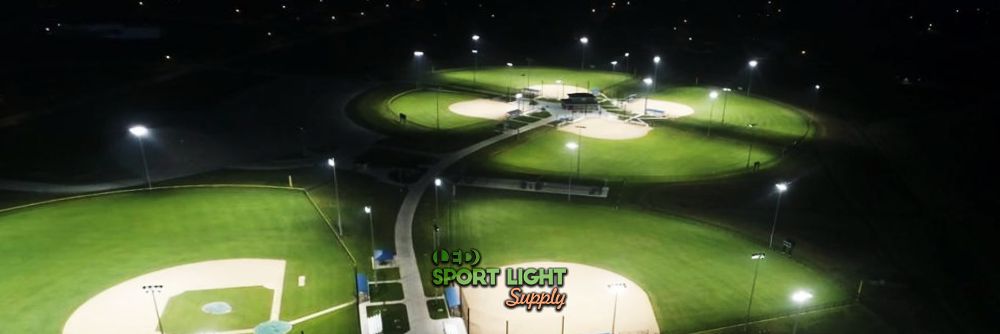
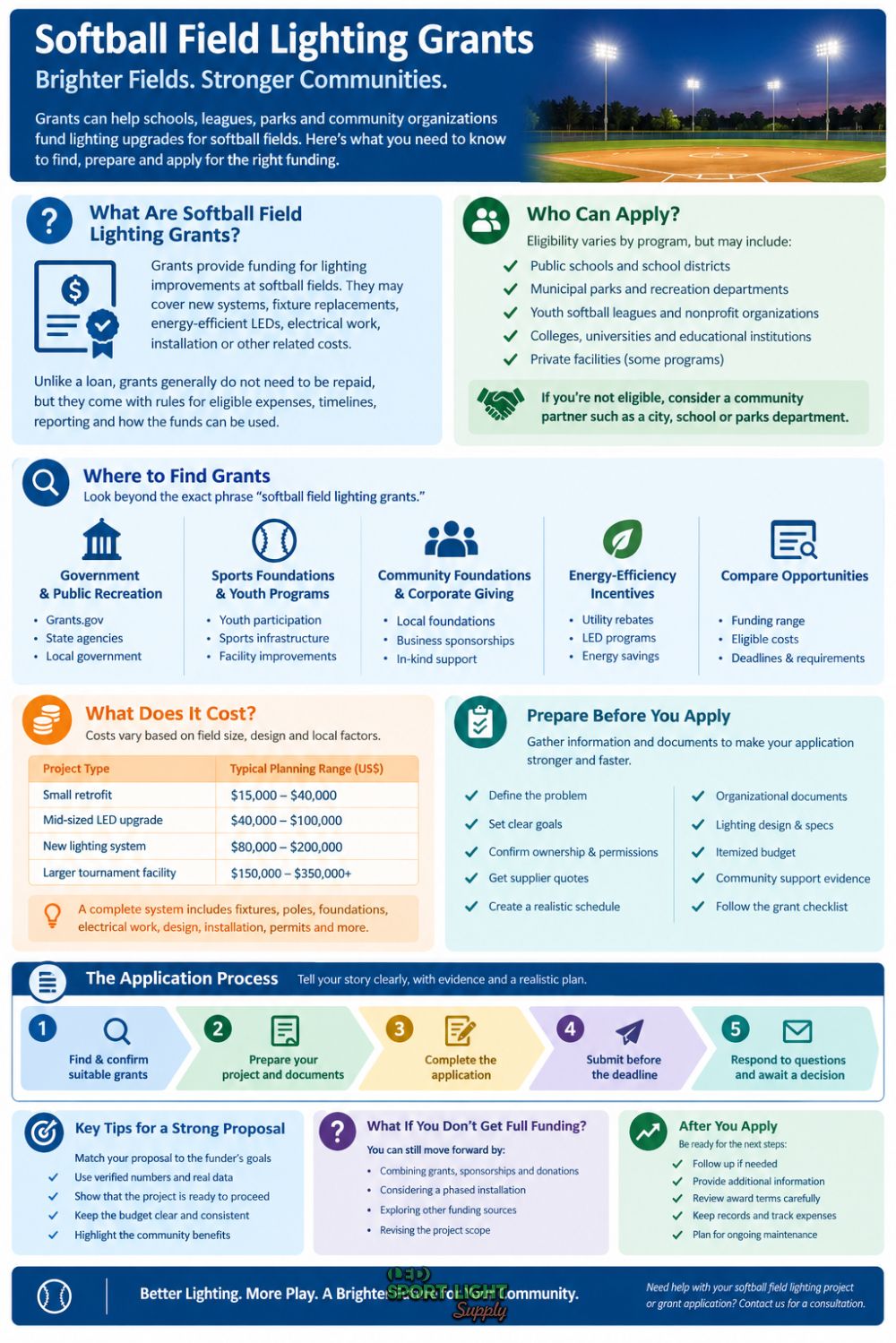
Softball field lighting grants are funding opportunities that help eligible organizations pay for lighting improvements at softball fields and related sports facilities. Depending on the program, the money may support a brand-new lighting system, replacement of outdated fixtures, upgrades to energy-efficient LED lights, electrical improvements, or other work needed to make a field suitable for evening games and practices.
Grants are usually provided by government agencies, charitable foundations, sports organizations, energy-efficiency programs, or businesses that support local communities. Some programs focus on youth sports and recreation, while others aim to improve public facilities, reduce energy consumption, or expand access to outdoor activities. A softball field lighting project may fit more than one category, depending on its goals and location.
Unlike a traditional loan, a grant generally does not need to be repaid when the recipient follows the funding agreement. However, grant money is not free to spend however you like. Funders usually set rules covering eligible expenses, project timelines, reporting, and how the money must be used. If a grant covers lighting equipment but excludes unrelated field improvements, for example, the applicant must keep those costs separate.
It is also worth knowing that not every grant will pay for the entire project. One program might offer US$10,000 toward equipment, while another might fund a percentage of an eligible construction budget. Some require the applicant to contribute matching funds, which means providing part of the project cost from another approved source.
Here is a quick look at how grants compare with other common funding options.
| Funding source | How it works | Potential drawback |
|---|---|---|
| Grant | Provides funds for an approved project | Competitive application and spending rules |
| Bank loan | Provides money that is repaid over time | Interest and repayment obligations |
| Community donations | Raises money from supporters | Results can be unpredictable |
| Business sponsorship | A company contributes money or services | Sponsorship may come with conditions |
| Municipal budget | Uses public funding for facility improvements | Depends on local priorities and available funds |
For many organizations, a combination of these sources makes the most sense. A grant might cover part of the lighting equipment, a local business could sponsor the electrical installation, and the parks department could contribute the remaining funds. The key is to check whether the grant allows combined funding and whether any matching contribution must come from a particular source.
Who Can Apply for Softball Field Lighting Grants?
Eligibility depends on the grant provider, so there is no single rule that applies to every softball field. The first step is to identify who owns the facility, who operates it, and which organization would be responsible for receiving and managing the money.
Public schools and school districts may qualify for grants designed to improve athletic facilities or expand recreational opportunities. Municipal parks departments may be eligible for public infrastructure or community recreation funding. Youth softball leagues and nonprofit sports organizations may qualify for programs that support children, amateur athletics, and community participation.
Colleges, universities, and other educational institutions may also find relevant funding opportunities, although some programs specifically target K-12 schools or community-level sports. Private sports facilities can apply to certain programs, but others restrict eligibility to public bodies or registered nonprofit organizations.
The distinction between owning a field and using it can make a difference. A youth softball league might operate a field owned by a city, for example, but the league may not have permission to authorize permanent electrical work. In that situation, the city might need to submit the application, partner with the league, or provide written approval for the proposed improvements.
Check Your Organization’s Eligibility First
Before spending hours preparing paperwork, read the grant guidelines and confirm that your organization is allowed to apply. Look for requirements covering legal status, location, facility ownership, operating history, financial records, and the type of project being funded.
Some grants accept applications from registered nonprofits, while others are open to local government agencies, schools, or qualifying businesses. A program may also require the facility to be accessible to the general public or to serve a defined community. If your softball field is used exclusively by a private club, that condition could affect your eligibility.
Pay attention to the difference between an eligible organization and an eligible project. Your school or league might qualify to apply, but the grant may not cover new lighting poles or major electrical construction. Another program may support equipment purchases but exclude labor or engineering fees. Both sets of requirements need to line up before you invest time in an application.
Consider Applying Through a Community Partner
If your organization does not meet a grant’s requirements, a partnership may provide another route. For example, a youth softball league could work with a municipal parks department that owns the field and is eligible to apply for public recreation funding.
A partnership should involve more than borrowing another organization’s name. The application needs to explain who will manage the project, who will receive the funding, who is responsible for the installation, and who will maintain the lights after the work is completed. Both parties should agree on these responsibilities before submitting the application.
A written agreement can help clarify facility access, project management, maintenance duties, and the use of any grant-funded equipment. It can also reassure the funder that the project has the support and oversight needed to move forward.
Where to Find Softball Field Lighting Grants
Finding a suitable grant is often the first real challenge. There is no single database that lists every funding opportunity for softball field lighting, and many programs do not mention softball specifically. Instead, they may use terms such as sports facility improvement, outdoor recreation, youth athletics, community infrastructure, or energy-efficient upgrades.
That means it pays to search beyond the exact phrase “softball field lighting grants.” A program that funds improvements to public recreation facilities might support your project even if softball is not mentioned in the program title. The trick is to read the actual funding rules rather than judging a program by its name.
Government Grants and Public Recreation Funding
Government funding is a good starting point for schools, municipalities, public parks, and eligible nonprofit organizations. Depending on the location, funding may be available through national sports initiatives, state-level recreation programs, local government budgets, or community development schemes.
In the United States, organizations can begin by searching Grants.gov, which lists federal grant opportunities. However, not every listing is intended for a softball field project, and eligibility varies considerably. Some opportunities are restricted to government agencies, universities, or specific types of nonprofit organizations.
State agencies and local governments are worth checking as well. A state recreation department may offer grants for outdoor sports facilities, while a city or county may have a capital improvement program that covers public park upgrades. Local officials may also know about funding rounds that receive little attention outside the area.
For example, imagine a municipal softball field that currently closes at sunset. The parks department wants to install LED lighting so the field can host evening practices and community games. A recreation grant that supports public access to sports facilities could be a potential match, provided its rules permit lighting construction.
The application should explain how the project serves the community, not just how it improves the playing experience for one team. If the upgraded field will support 4 youth teams, 2 adult leagues, and weekend tournaments, those details help show how the proposed investment will be used.
Sports Foundations and Youth Athletics Programs
Sports foundations and charitable organizations sometimes provide funding for youth participation, athletic development, and access to recreational facilities. Their goals may include helping children participate in organized sports, reducing barriers for underserved communities, or improving the quality of local sports infrastructure.
Some programs fund equipment rather than construction, so check whether permanent lighting systems are eligible. A grant designed to purchase bats, helmets, and uniforms may not cover poles, wiring, or electrical installation, even though all of those items support softball.
Look for funding guidelines that mention facility improvements, capital projects, sports infrastructure, or community recreation. If the foundation’s main goal is youth participation, explain how better lighting could help teams schedule practices after school, accommodate more players, or make better use of existing facilities.
Avoid assuming that a national sports brand or well-known foundation has an open grant program just because it sponsors athletic events. Some organizations offer sponsorships or charitable donations rather than formal grants, and their application processes can be quite different.
Community Foundations and Corporate Giving Programs
Local community foundations can be especially useful because they often understand the needs of the communities they serve. They may support projects that improve public spaces, expand youth activities, or strengthen local recreation opportunities.
Businesses may also contribute through community investment programs. Local banks, utility companies, construction firms, and sports-related businesses may offer grants, sponsorships, or in-kind assistance. An electrical contractor, for example, might provide discounted installation services, while a local company could sponsor part of the lighting equipment.
The best approach is to connect the project with the funder’s stated goals. If a company supports youth development, explain how the lighting upgrade will help young athletes access organized sports. If a utility company promotes energy conservation, provide realistic information about the expected energy savings from an LED conversion.
Keep the request specific. Rather than asking a business to support a general sports improvement project, you might request US$5,000 toward a lighting upgrade with an estimated total cost of US$120,000. The amount should reflect the company’s giving range and the project’s actual funding gap, not an arbitrary figure.
Energy-Efficiency Grants and LED Lighting Incentives
Energy-related funding deserves a closer look when the project involves replacing older lighting technology with LEDs. Depending on the utility territory and program rules, eligible facilities may be able to access rebates, incentives, or other financial support for qualifying energy-efficient equipment.
These programs are not always grants in the strict sense. A utility rebate, for instance, may provide a payment after approved equipment is installed and verified. Still, it can reduce the amount of money an organization needs to raise.
Start by contacting the electric utility serving the field. Ask whether it offers incentives for commercial or outdoor sports lighting, what technical requirements apply, and whether the project needs approval before equipment is purchased. Some programs require pre-installation applications, approved product lists, or documentation showing the energy savings achieved.
An LED project should also be evaluated on its operating costs. Suppose an existing system uses 48 metal-halide fixtures rated at 1,500 watts each. The fixture load alone is 72 kilowatts. If a proposed LED system uses 48 fixtures rated at 600 watts each, its fixture load is 28.8 kilowatts.
That represents a 60% reduction in rated fixture wattage, before accounting for controls, operating schedules, and other system differences. Actual energy savings depend on the installed equipment and how it is operated, but a comparison like this gives a funder a clear starting point.
How to Compare Grant Opportunities
Once you have a shortlist, compare the opportunities side by side. The largest grant is not automatically the best choice. A US$50,000 grant that excludes installation costs may be less useful than a US$25,000 grant that covers both equipment and eligible labor.
| What to check | Why it matters |
|---|---|
| Maximum award | Shows the funding ceiling, not the amount you are guaranteed to receive |
| Eligible applicants | Confirms whether your organization can apply |
| Eligible expenses | Determines which project costs can be included |
| Matching funds | Reveals how much money you may need to contribute |
| Application deadline | Helps you plan the design and budgeting stages |
| Project completion date | Determines whether your schedule is realistic |
| Reporting requirements | Shows what records and evidence you must maintain |
Create a simple spreadsheet to track each program’s name, website, contact details, application deadline, funding range, and eligibility rules. Add a column for follow-up questions so you can record what the grant administrator tells you.
Before committing to a program, verify its current status through the official funder. Grant websites and third-party directories can contain outdated information, and a program that funded sports facilities last year may not be accepting applications this year.
How to Prepare Before Applying for a Grant
Once you have identified a few promising funding opportunities, the next step is to get the project ready. This stage often takes longer than filling out the application itself because it involves gathering technical information, confirming permissions, obtaining prices, and agreeing on a realistic schedule.
Rushing into an application with an unclear project scope can lead to missing documents, inaccurate costs, or a proposal that does not fit the grant’s requirements. A little preparation up front can save considerable time later.
Define the Problem Your Project Will Solve
Start by explaining what is wrong with the current lighting situation. Perhaps the field has no permanent lights, the existing fixtures consume too much electricity, the illumination is uneven, or frequent failures make evening games difficult to schedule.
Be specific about the problem and its effect on the facility. If a field closes at sunset for much of the year, the organization might struggle to accommodate after-school practices or evening league games. If the existing system has repeated outages, maintenance records can help show the scale of the issue.
Where possible, collect measurable information. You might record the number of teams using the field, the number of scheduled practice hours, the frequency of equipment failures, or the number of events that cannot take place after dark. If the facility has received complaints about glare or uneven lighting, document those concerns without exaggerating them.
Photographs, inspection reports, utility bills, and maintenance records can make the project need easier to understand. For a new lighting installation, a schedule showing the current limits on field use may help explain why the investment is being proposed.
Set Clear and Measurable Project Goals
A grant proposal should describe what the project intends to achieve. General statements such as “improve the field” or “provide better lighting” are a starting point, but they do not give a reviewer much to evaluate.
A stronger goal might be to install an LED lighting system that meets the agreed design criteria, enables evening use on 4 days per week, and serves 6 local softball teams. Another project might focus on replacing outdated fixtures and reducing annual fixture electricity consumption by an estimated 50%, based on a documented comparison.
Make sure the targets are achievable and connected to the actual project. Do not promise a 70% energy reduction simply because it sounds impressive if the design calculations support only 45%. Funders may ask how the target was established, and an unsupported claim can weaken the proposal.
It also helps to define how results will be measured. Lighting performance can be checked through commissioning measurements, energy consumption can be tracked using utility data, and community use can be evaluated through schedules or participation records.
Establish Who Will Own and Manage the Project
The application should identify the organization responsible for the work. If the field is owned by a city but operated by a school or league, explain the relationship clearly.
Confirm who has authority to approve the installation, sign contracts, manage payments, and maintain the completed system. If the organization needs permission to build on public land, obtain that approval early enough to meet the grant deadline.
The funder may also ask whether the project has the required permits, planning approvals, or construction permissions. If those approvals cannot be obtained until the grant is awarded, explain the expected process and timing rather than suggesting that everything is already approved.
A named project manager can help keep the application and subsequent work organized. That person does not necessarily need to be a lighting expert, but they should be able to coordinate with suppliers, contractors, facility owners, and the grant administrator.
Obtain Realistic Supplier Quotes
A budget becomes much more persuasive when it is supported by current quotations. Contact qualified sports-lighting suppliers or contractors and provide the information they need to estimate the project accurately.
Useful details include the field layout, available electrical service, existing pole locations, intended level of play, operating schedule, site access, and any known restrictions on spill light. If the project involves replacing an existing system, photographs and equipment details can help the supplier understand what is already installed.
Ask suppliers to separate the main cost categories. One quote might list fixtures and controls at US$32,000, while another lists poles and foundations at US$25,000, electrical work at US$19,000, and installation at US$15,000. Separating the figures makes it easier to identify which expenses fit the grant’s rules.
Where possible, compare at least 2 quotations for similar project scopes. If the prices differ significantly, check whether both include the same number of fixtures, design services, installation work, warranty coverage, and commissioning. A cheaper proposal may exclude work that another supplier has already included.
Do not select equipment based only on the lowest upfront price. Fixture performance, warranty terms, energy consumption, replacement availability, and long-term service costs should all be considered.
Build a Realistic Project Schedule
Grant providers often require projects to be completed within a defined period. A plan that assumes every stage will happen immediately can create problems if engineering reviews, equipment deliveries, permits, or contractor availability take longer than expected.
For an illustrative new installation, a schedule might allow 2 to 4 weeks for initial planning and quotations, 3 to 6 weeks for design and engineering, 4 to 8 weeks for permitting and procurement, and 2 to 6 weeks for construction and commissioning. These stages may overlap, and actual durations depend on the project and location.
A complicated installation involving new electrical service or extensive foundations may take considerably longer. Weather, local approval processes, and equipment lead times can also affect the schedule.
Include time for inspections and final testing. The system should not be treated as complete simply because the fixtures have been mounted. Electrical checks, aiming adjustments, and verification of lighting performance may be needed before the facility is ready for regular use.
What Documents Do You Need for a Grant Application?
Grant applications vary, but many ask for a similar set of documents. Preparing them in advance makes it easier to respond when a suitable funding opportunity opens.
Some funders use a short application form with a basic budget, while others request a detailed proposal, financial records, engineering drawings, and proof of organizational status. Read the instructions for each grant carefully instead of assuming that one document package will work everywhere.
Organizational and Facility Documents
You may need to provide your organization’s legal name, registration details, nonprofit status where applicable, financial information, and evidence that the person submitting the application is authorized to do so.
Facility documents may include proof of ownership, a lease, a site plan, or written permission from the property owner. If the organization does not own the field, the funder may require confirmation that the proposed improvements are permitted and that the organization has the right to use the facility for a specified period.
Some programs ask for evidence of public access or community benefit. A schedule showing use by school teams, local leagues, and recreational groups can help explain how the facility serves the area.
Technical Documents for the Lighting Project
Technical documents help the funder understand what will actually be built. Depending on the scope, these may include a lighting layout, photometric calculations, fixture specifications, pole locations, electrical plans, and installation quotations.
For a new system, the lighting design should identify the proposed fixtures and their output, the intended mounting heights, the playing areas being illuminated, and the target light levels. It should also address uniformity and potential light spill where those factors are relevant to the site.
If structural work is involved, the project may require pole foundation details, engineering calculations, or other construction documents. The precise requirements depend on the local building rules and the design.
A simple equipment list is useful, but it does not replace a lighting plan. A proposal stating that the project will install 48 LED fixtures at 600 watts each does not, by itself, demonstrate that the field will achieve the required illumination. The application should connect the equipment specification to a designed lighting result.
Financial Documents and Supporting Evidence
Most grant applications require an itemized budget. Some also request financial statements, an operating budget, evidence of matching funds, or confirmation of contributions from other sources.
Keep the figures consistent across the application, quotations, and budget spreadsheet. If the total project cost is US$104,500, but the narrative requests US$80,000 and the funding table shows a US$90,000 request, reviewers may question whether the project has been properly planned.
Supporting evidence may include utility bills, maintenance records, photographs, community support letters, and data on field use. Choose documents that directly support the project rather than attaching a large collection of unrelated material.
The following table provides a useful preparation guide.
| Document | Purpose |
|---|---|
| Organization registration | Confirms the applicant’s legal status |
| Facility ownership or permission | Shows authority to improve the field |
| Project description | Explains the problem and proposed solution |
| Lighting design | Describes the intended technical outcome |
| Supplier quotations | Supports the estimated costs |
| Itemized budget | Shows how the funding will be used |
| Project timeline | Demonstrates a workable delivery plan |
| Community evidence | Explains who benefits from the project |
If a document is not yet available, check whether the grant allows it to be submitted later. Do not assume that an application can be approved conditionally if the published rules require every attachment at the time of submission.
How to Complete a Softball Field Lighting Grant Application
With the project plan, budget, and supporting documents ready, you can start working through the application. The exact form will depend on the funder, but most applications ask some version of the same questions: Who are you? What do you want to do? Why is it needed? How much will it cost? Who will benefit, and how will you know the project has succeeded?
The best approach is to answer each question directly and support your claims with evidence. A grant reviewer should be able to understand the project without having to guess what the organization intends to build.
Explain Why the Lighting Project Is Needed
Begin with the problem rather than the equipment. A list of fixtures and poles tells the reviewer what you want to purchase, but it does not explain why the investment deserves funding.
For example, a youth league might explain that it operates 5 teams across a shared field, but the lack of lighting limits practices to daylight hours. During shorter winter days, the available schedule may become even more restrictive. A new lighting system could allow the facility to offer additional evening sessions, subject to local operating rules and community needs.
A different applicant might focus on an aging system that consumes substantial electricity and requires repeated maintenance. In that case, utility bills, repair records, and a proposed LED design could help demonstrate the problem and support the proposed solution.
Use numbers when you have reliable information. If the facility currently accommodates 12 hours of scheduled activity per week and the proposed system could support another 8 hours, explain how the additional availability was calculated. If the field serves 180 registered players, state where that figure came from and whether it represents current participation or a future target.
Avoid turning the application into a sales pitch filled with broad promises. Clear evidence and realistic expectations generally make a more convincing case than dramatic language.
Describe the Proposed Lighting Solution
Once the need is clear, explain what the project will involve. Identify whether you plan to install a new system, replace existing fixtures, improve electrical infrastructure, or upgrade the controls.
For a new installation, the description might include the proposed LED technology, pole arrangement, fixture quantities, target illumination levels, and expected operating schedule. For a retrofit, explain which components will remain and which will be replaced.
The technical description should match the budget and supplier quotation. If the proposal requests US$104,500 for a complete installation, the scope should explain how that amount relates to fixtures, poles, foundations, electrical work, design, and commissioning.
You do not need to fill the application with technical jargon. Explain the practical outcome first, then provide the engineering information needed to support it. For example, state that a photometric design will be used to check illumination levels and uniformity across the infield and outfield, while the selected optics and aiming will help control glare and unwanted light spill.
If the design is still preliminary, say so. Make it clear which decisions have been confirmed and which depend on engineering review, permits, or the final site assessment.
Prepare a Detailed and Defensible Budget
The budget should tell a straightforward story. The total cost needs to match the proposed scope, and the requested grant amount should be easy to identify.
Suppose the total project budget is US$104,500. The organization has US$24,500 available from its own funds and is requesting US$80,000 from a grant provider. That leaves no unexplained gap, provided the organization is genuinely able to contribute the stated amount and the grant permits this funding arrangement.
| Funding source | Amount in US$ | Share of project |
|---|---|---|
| Grant request | US$80,000 | 76.6% |
| Organization contribution | US$24,500 | 23.4% |
| Total funding | US$104,500 | 100% |
These are illustrative figures. If the grant requires a specific matching contribution, calculate it according to the funder’s definition. Some programs base the match on total project cost, while others calculate it against the grant award or restrict which contributions can count.
Explain how each cost was estimated. Supplier quotations can support equipment and installation figures, while an engineering proposal may support design fees. If you include a contingency allowance, state what it covers and verify that the grant allows it.
Do not count the same contribution twice. If another grant has not yet been awarded, identify it as pending rather than presenting it as secured funding. A clear distinction between confirmed, requested, and planned contributions helps reviewers assess whether the project can realistically proceed.
Show How the Community Will Benefit
Many grant providers want to know how a project will serve people beyond the organization submitting the application. The relevant benefits depend on the funder’s goals, but they may include improved access to sports, expanded youth participation, better use of public facilities, or reduced energy consumption.
Describe the people who will use the field and how the lighting project will improve access. A municipal facility might host 4 youth leagues, 2 adult leagues, and several community events. A school might use the field for after-school practices and interschool competitions.
If the project will serve people who currently face barriers to participation, explain those barriers and how the facility improvements may help. Do not claim that lighting alone will solve wider problems, but show how it fits into a broader effort to make recreation more accessible.
Funders may also want to understand how the organization will manage noise, traffic, glare, and operating hours. Addressing these issues can show that the project has been planned with nearby residents and other facility users in mind.
Submit the Application Correctly and on Time
Before submission, read the instructions again and compare the completed application against every requirement. Check that the organization name, project title, budget, dates, and funding request are consistent throughout the documents.
Confirm the submission method as well. Some funders use online portals, while others require email submissions or signed forms. File formats, upload limits, and signature requirements can differ.
Aim to submit several days before the deadline if possible. If the deadline is Friday at 5 p.m. in the funder’s local time zone, do not assume that a submission at 4:59 p.m. from another time zone will be accepted. Portal issues, missing signatures, or large attachments can create last-minute problems.
Save a copy of the complete application and retain the submission confirmation. Record the date, the contact person, and any reference number provided by the funder. These details will be useful if you need to ask about the review process or provide additional information later.
Tips for Writing a Strong Grant Proposal
A complete application meets the stated requirements, but a strong proposal also makes it easy for reviewers to understand why the project deserves support. The goal is not to make the project sound bigger than it is. It is to explain the need, the plan, and the expected results in a clear and believable way.
Match the Proposal to the Funder’s Goals
Different funders may evaluate the same project in different ways. A youth sports foundation might focus on participation and access, while an energy program may prioritize electricity savings and efficiency improvements. A local government program might look at public use, facility condition, and long-term community value.
Read the program description and evaluation criteria before drafting the proposal. Then explain the project in terms that connect with those goals, while staying accurate about what the lighting upgrade can achieve.
For a youth sports funder, you might describe how the field currently limits after-school practices and how the proposed system could expand available scheduling hours. For an energy-efficiency program, you might compare the existing system’s estimated annual consumption with the proposed LED system’s expected consumption.
The underlying project may be the same, but the most relevant evidence differs. A tailored proposal helps reviewers see the connection between their funding objectives and your request.
Use Numbers That Can Be Verified
Numbers make a proposal easier to evaluate when they are based on reliable records or calculations. They can describe the number of teams served, annual operating hours, project costs, expected energy savings, or the amount of funding already secured.
For example, a claim that the proposed system will reduce fixture energy use by 60% should be supported by the old and new fixture loads and the assumed operating schedule. If the current fixtures use 72 kW and the proposed fixtures use 28.8 kW, the reduction in rated fixture load is 43.2 kW, or 60%.
That calculation does not automatically mean the facility’s total electricity bill will fall by 60%. Other electrical loads, demand charges, operating schedules, and utility rates can affect the final result. Make the distinction clear so that the proposal remains credible.
Use the same approach for participation figures. If the field serves 180 players, explain whether that figure comes from current registration records, and avoid adding hypothetical future participants to the current total.
Demonstrate That the Project Is Ready to Proceed
Grant reviewers may be more comfortable funding a project that has a clear plan, realistic costs, and an organization ready to manage the work. Evidence of readiness can include supplier quotations, preliminary engineering, facility-owner approval, a project manager, and a practical schedule.
You do not need to claim that every detail is complete if some approvals are still pending. Instead, show what has been done and what remains to be completed. For example, the organization may have obtained 2 supplier quotations and completed an initial site assessment but still need final structural engineering and a building permit.
A well-organized plan can also explain how the project will be maintained after installation. Identify who will manage inspections, arrange repairs, monitor energy use, and pay ongoing operating expenses. If the facility has an annual maintenance budget of US$4,000 for the lighting system, state how that figure was developed rather than presenting it without explanation.
Avoid Common Grant Application Mistakes
Some applications lose ground because of preventable errors. A project may be a good fit for a funder’s goals, but missing documents or unclear financial details can make it difficult to assess.
One common mistake is applying before confirming eligibility. Another is assuming that all lighting-related costs will be covered, even when the grant excludes construction, electrical upgrades, or design fees. Both problems can be avoided by checking the published rules and asking the funder questions before submission.
Unrealistic budgets are another concern. If a complete installation is estimated at US$104,500, a request for US$60,000 should explain how the remaining US$44,500 will be covered. Without that explanation, the reviewer may reasonably wonder whether the project is financially viable.
Avoid submitting generic descriptions that could apply to any sports facility. Explain the actual field conditions, intended use, design approach, and expected outcomes. A proposal that clearly describes a specific project is easier to assess than one built around broad promises.
What If a Grant Does Not Cover the Entire Project?
It is common for a grant to cover only part of a lighting project. That does not necessarily mean the project is out of reach. The organization may be able to combine funding sources, adjust the project scope, or complete the improvements in stages.
The key is to identify the funding gap early and make a realistic plan to cover it. Do not assume that another grant will be approved or that a sponsor will contribute money until the commitment is confirmed.
Combine Grants, Sponsorships, and Donations
Some projects can be funded through a mix of grants, local sponsorships, donations, and organizational contributions. For example, a US$150,000 lighting project might receive a US$75,000 grant, US$25,000 from a municipal contribution, US$20,000 in confirmed sponsorships, and US$30,000 from the organization’s own funds.
That arrangement would cover the full project cost if all contributions were available and permitted under the grant agreement. However, some programs prohibit duplicate reimbursement of the same expense or restrict which funding sources can be used as matching funds.
Before combining awards, ask each funder whether the proposed arrangement is acceptable. Keep separate records showing which source pays for each expense, especially if multiple awards have different reporting requirements.
Local sponsorships may also involve non-cash contributions. A contractor might discount installation work, or a business might provide equipment or services. Confirm how the grant program values in-kind contributions and whether they count toward a required match.
Consider a Phased Installation
If the full project cannot be funded at once, a phased approach may help. For example, the organization might complete the engineering and electrical upgrades first, then install the lighting system in a later phase, provided the design and safety requirements support that sequence.
Another possibility is to prioritize a clearly defined portion of the facility. However, splitting the project should not leave the field with an incomplete or unsuitable lighting system. The designer should confirm that each phase is technically workable and that the overall plan remains practical.
Phasing can also create complications. Construction costs may rise between phases, and equipment specifications may change. The project schedule should account for those risks, and each phase should be checked against the funding program’s rules.
If a grant requires the entire project to be completed within 12 months, a plan that depends on a second funding round two years later may not fit. In that case, securing the full funding package before construction begins may be a better option.
Explore Other Funding Routes
When grants are unavailable or insufficient, consider other funding options that fit the organization’s circumstances. These may include local government capital budgets, community fundraising, corporate sponsorships, or approved financing arrangements.
An energy-efficient lighting system may also qualify for a utility rebate or other incentive, depending on the location and equipment. Confirm the program’s eligibility rules and application timing before assuming that the incentive will be available.
The right mix depends on the size of the project, the organization’s financial position, and the time available. A smaller facility with existing poles might be able to complete a retrofit with a modest grant and local sponsorships. A new tournament facility requiring major electrical and structural work may need a longer fundraising period and several funding sources.
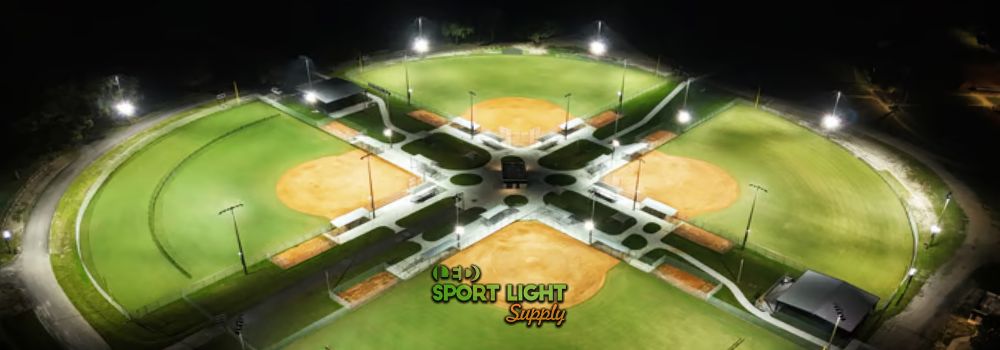
How Much Does Softball Field Lighting Cost?
A realistic budget can make or break a grant application. Funders want to know how much the project will cost, how the money will be spent, and whether the proposed improvements can be completed within the available budget.
Softball field lighting costs vary widely according to the number of poles, field dimensions, required light levels, fixture technology, electrical infrastructure, local labor rates, soil conditions, and permitting requirements. A small practice field with existing poles will have a very different budget from a full-size tournament field that needs new foundations and electrical service.
For early planning, a modest retrofit might cost tens of thousands of dollars, while a complete LED lighting installation for a larger field can run into the low or mid-six figures. More demanding projects may cost considerably more. These are broad planning ranges rather than supplier quotations, so local pricing and a site-specific design should determine the final figures.
Typical Softball Field Lighting Budget Ranges
The following examples illustrate how different project scopes can affect the budget. They are not verified market quotations or guaranteed grant-eligible costs.
| Project type | Illustrative planning range in US$ | Typical scope |
|---|---|---|
| Small lighting retrofit | US$15,000 to US$40,000 | Replacing existing fixtures where poles and wiring remain suitable |
| Mid-sized LED upgrade | US$40,000 to US$100,000 | New LED fixtures, controls, and selected electrical improvements |
| New field lighting system | US$80,000 to US$200,000 | New fixtures, poles, foundations, wiring, and installation |
| Larger tournament facility | US$150,000 to US$350,000 or more | Higher lighting requirements, more equipment, and substantial infrastructure |
These ranges can overlap because field conditions and design requirements matter more than a simple project label. A retrofit may become expensive if the existing poles cannot support the replacement fixtures, while a new installation may cost less than expected if suitable electrical infrastructure is already available.
The quoted project price should also make clear whether it includes design, engineering, freight, taxes, permits, testing, commissioning, and any required electrical service upgrades. A low equipment-only estimate may look attractive on paper but leave a significant funding gap once the full installation is priced.
What Makes Up the Cost of a Lighting Project?
Lighting fixtures are only one part of the total investment. A complete system may also require poles, structural foundations, electrical distribution equipment, underground conduit, wiring, controls, aiming adjustments, and commissioning.
Pole height and placement affect both the lighting design and construction budget. A system using 4 poles may cost less in pole and foundation work than a system using 6 or 8 poles, but fewer poles are not automatically better. The design still needs to meet the required light levels and provide suitable uniformity across the playing surface.
Electrical work can also account for a substantial share of the project. If the site needs a new service connection, larger distribution panels, long underground cable runs, or trenching across paved areas, the cost can increase quickly. Rocky soil, difficult access, and extensive restoration work can add further expense.
Design and engineering fees should be included early rather than treated as an afterthought. A lighting professional may need to prepare photometric calculations, fixture schedules, pole layouts, structural requirements, and electrical plans. These documents can also support the grant application by showing that the proposed budget is based on a defined project rather than a rough guess.
The following example shows how a hypothetical new installation budget might be organized.
| Cost category | Illustrative budget in US$ |
|---|---|
| LED fixtures and lighting controls | US$30,000 |
| Poles and structural foundations | US$24,000 |
| Electrical equipment and wiring | US$18,000 |
| Engineering and lighting design | US$6,000 |
| Installation and equipment rental | US$14,000 |
| Permits, testing, and commissioning | US$3,000 |
| Contingency allowance | US$9,500 |
| Estimated total | US$104,500 |
This example uses a hypothetical project and should not be interpreted as an industry average. The contingency allowance is approximately 10% of the US$95,000 subtotal before contingency. A project with uncertain underground conditions or incomplete site information may need a different allowance, subject to the funder’s budget rules.
The budget should also identify costs that are not eligible for grant funding. If a grant excludes engineering fees or contingency, those items should be shown separately rather than quietly folded into an eligible category.
How to Calculate the Potential Cost of LED Lighting
LED fixtures often use less electricity than older metal-halide systems to deliver a comparable lighting result, although the actual comparison depends on fixture performance, optics, layout, and target light levels. That is why wattage alone should not be used to choose the final system.
For a simple operating-cost estimate, multiply the total connected load in kilowatts by the number of operating hours and the electricity rate.
Suppose a field has 48 existing fixtures rated at 1,500 watts each. The total fixture load is 72,000 watts, or 72 kilowatts. If the lights operate for 1,200 hours per year, their estimated annual fixture energy use is 86,400 kilowatt-hours.
Now assume the proposed system uses 48 LED fixtures rated at 600 watts each. The connected fixture load would be 28.8 kilowatts. At the same 1,200 operating hours per year, the estimated annual fixture energy use would be 34,560 kilowatt-hours.
| Measurement | Existing system | Proposed LED system |
|---|---|---|
| Number of fixtures | 48 | 48 |
| Rated fixture wattage | 1,500 W | 600 W |
| Total fixture load | 72 kW | 28.8 kW |
| Annual operating hours | 1,200 | 1,200 |
| Estimated annual fixture energy | 86,400 kWh | 34,560 kWh |
Under these assumptions, the difference is 51,840 kilowatt-hours per year, a 60% reduction in fixture energy consumption.
If electricity costs US$0.15 per kilowatt-hour, the estimated annual energy cost would fall from US$12,960 to US$5,184. The difference would be US$7,776 per year, excluding demand charges, other electrical loads, maintenance, and changes in operating patterns.
This calculation is useful for grant planning because it translates an equipment upgrade into a measurable financial outcome. However, the figures are illustrative. The actual system should be compared using its designed lighting performance and the facility’s utility rates and operating schedule.
Why Lighting Design Affects the Budget
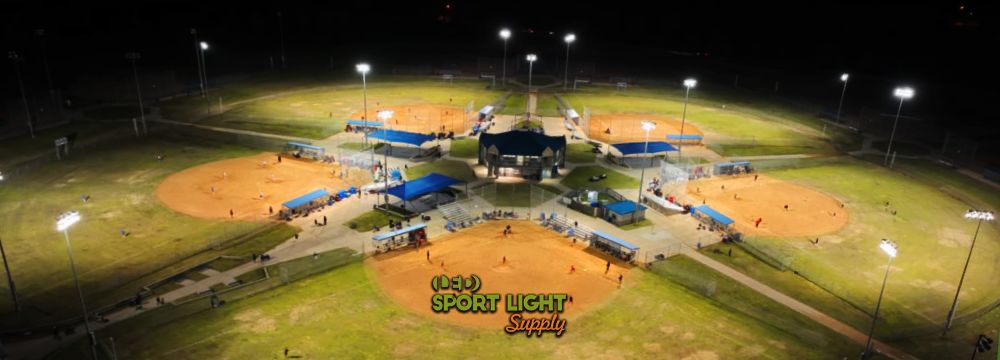
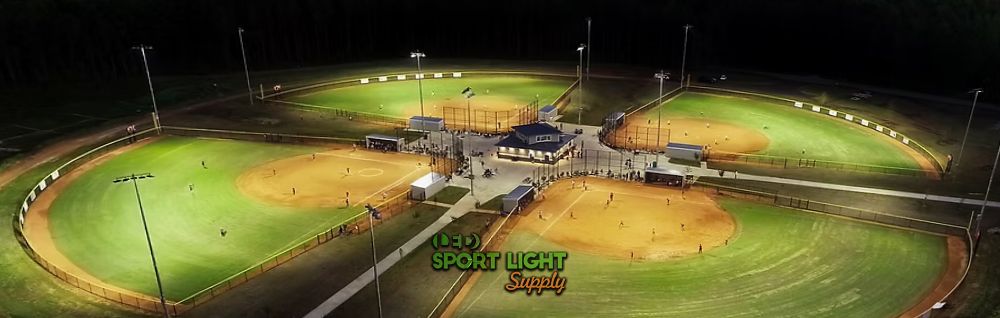
A softball field should not be designed simply by counting fixtures or choosing the highest-wattage lights available. The system needs to provide suitable illumination across the infield and outfield while controlling glare, spill light, and dark areas.
The required lighting level depends on how the field will be used. A practice field may have different requirements from a facility hosting competitive games, tournaments, or televised events. Local regulations, governing-body requirements, and the intended level of play should guide the design.
For initial planning, a lighting designer might evaluate maintained horizontal illuminance targets in ranges such as 20 to 30 foot-candles for some recreational uses, 30 to 50 foot-candles for some competitive uses, and higher levels for certain demanding applications. These are illustrative planning ranges, not universal softball lighting standards. The appropriate target should be established for the actual field, competition level, and applicable requirements.
Uniformity matters as well. A field with an average of 30 foot-candles may still have poorly lit areas if much of the light falls on one part of the playing surface. Designers therefore assess the distribution of light, including the relationship between average and minimum readings.
Fixture aiming is another factor. Poorly aimed lights can create glare for batters, pitchers, outfielders, spectators, and nearby residents. Better optics and carefully positioned poles can direct more light onto the field instead of sending it into surrounding areas.
A photometric plan helps address these issues before construction begins. It uses lighting software to estimate how the proposed fixtures will perform across a grid of points on the field. The plan can show average illumination, minimum illumination, uniformity, and potential spill light at nearby property boundaries.
The lighting design should also consider future maintenance. If fixtures are difficult to access, replacement work may require expensive lifts or specialized equipment. Choosing reliable equipment, suitable mounting arrangements, and accessible electrical components can help reduce long-term operating costs.
How Many Poles and Fixtures Does a Softball Field Need?
There is no fixed number of poles or fixtures that works for every softball field. A designer needs to consider the field layout, pole positions, fixture output, mounting height, target light levels, and surrounding conditions.
For a preliminary discussion, a system might use 4, 6, or 8 poles, depending on the design. A four-pole layout may reduce the number of foundations and electrical connection points, but it can make uniform illumination and glare control more challenging. Six-pole and eight-pole layouts may offer more flexibility in distributing light, although they can increase construction costs.
Fixture quantities vary too. A preliminary concept might include 16 to 32 LED fixtures for a smaller or simpler installation, while a larger facility with higher performance requirements could need 32 to 64 fixtures or more. These figures are examples for early planning, not equipment recommendations. The final number should come from a photometric design rather than a rule of thumb.
Mounting height can range from approximately 40 to 80 feet in some field-lighting designs, with the right height depending on the site, pole arrangement, fixture optics, and performance requirements. Taller poles can improve light distribution in certain layouts, but they may require larger foundations and more demanding structural engineering.
Before settling on a layout, ask the lighting supplier or designer to explain why the proposed number of poles and fixtures is suitable. A design should show the expected lighting levels, uniformity, aiming directions, and any measures intended to limit spill light beyond the property.
For grant applications, these details help demonstrate that the requested funding is based on a practical engineering plan. They also give reviewers a clearer idea of what the project will deliver for the money.
Account for Long-Term Operating and Maintenance Costs
Grant applications often focus heavily on installation costs, but the project does not end when the lights are switched on. Electricity, inspections, cleaning, repairs, replacement parts, and access equipment can all affect the facility’s annual budget.
LED systems generally have longer rated operating lives than many older sports-lighting technologies. Some LED fixtures carry rated lifetimes of 50,000 to 100,000 hours under specified conditions, although actual performance depends on temperature, driver quality, operating conditions, and maintenance. A rated lifetime does not mean that every component will last that long without attention.
Consider a system that operates 1,200 hours annually. At that usage rate, 50,000 operating hours represents roughly 41.7 years of operation, while 100,000 hours represents about 83.3 years. These figures are mathematical comparisons, not realistic guarantees for the service life of the entire lighting system. Drivers, electrical components, structural elements, and controls may need attention much sooner.
A more useful long-term estimate should include the manufacturer’s warranty, expected maintenance requirements, available replacement components, and the likely cost of accessing the fixtures. If a lift rental costs US$1,200 per service visit and a facility needs 3 visits in a year, that alone would represent US$3,600 in annual access costs.
The grant proposal can explain how the organization intends to cover these expenses after the funding period ends. A simple maintenance reserve, an annual facilities budget, or an agreement with the parks department can help demonstrate that the field will remain usable after installation.
What Happens After You Submit Your Application?
Submitting a grant application is a milestone, but it is not the end of the process. Funders may need several weeks or months to review applications, verify documents, compare proposals, and approve awards. The timeline depends on the program, the number of applicants, and the complexity of the project.
While you wait, keep your project records organized and respond promptly if the funder requests additional information. Avoid making financial commitments based on an award that has not been confirmed.
How Grant Applications Are Reviewed
Reviewers may assess eligibility, project need, budget accuracy, community benefits, technical feasibility, and the applicant’s ability to complete the work. Some programs use a scoring system, while others involve a committee or administrative review.
A project that requests US$80,000 toward a US$104,500 installation might be evaluated differently from one requesting US$150,000 for a project with a similar scope. Reviewers may consider whether the requested amount is reasonable, whether other funding is secured, and whether the organization can cover the remaining costs.
The review process may also involve questions about permits, facility ownership, lighting performance, or ongoing maintenance. Keep contact details for the project manager and relevant suppliers available so you can provide accurate responses.
If the funder publishes a decision date, use it as a guide rather than a guarantee. If the date passes without an update, a polite inquiry to the grant administrator is usually a reasonable next step.
What to Do If Your Application Is Approved
Read the award letter and funding agreement carefully before spending the money. The documents should explain the award amount, eligible expenses, project deadline, payment arrangements, reporting requirements, and any conditions attached to the funding.
Some grants reimburse approved costs after they have been incurred, while others provide funds in advance or release payments in stages. This distinction affects cash flow. If the contractor requires a deposit of US$20,000 before ordering equipment, the organization needs to know whether it has enough available money to cover that payment.
Keep invoices, receipts, contracts, proof of payment, installation records, and any required inspection documents. If the project changes after approval, ask the funder whether written permission is needed before adjusting the scope or budget.
Do not assume that an approved grant can be used for a different purpose simply because the revised expense is related to lighting. Changes in equipment, project timing, or cost categories may require authorization.
What to Do If Your Application Is Rejected
A rejected application can be disappointing, especially after weeks of preparation. Still, it does not necessarily mean the project is unsuitable or that the organization should stop looking for funding.
If feedback is available, ask the funder which parts of the application could be improved. The issue might have been eligibility, limited funding, an incomplete budget, insufficient evidence of community benefit, or a mismatch with the program’s priorities.
Use that feedback to revise the proposal before applying elsewhere. If the project budget was unclear, obtain more detailed quotations. If the community benefits were poorly explained, gather better participation data and letters of support. If the grant was not designed for construction, look for programs that explicitly allow sports facility improvements.
Keep a record of previous applications and their outcomes. Over time, this creates a useful reference for future funding rounds and helps prevent the same mistakes from appearing in every submission.
Frequently Asked Questions About Softball Field Lighting Grants
Can a Youth Softball League Apply for a Lighting Grant?
Yes, some funding programs accept applications from youth softball leagues, particularly those registered as eligible nonprofits or operating in partnership with a public facility owner. Other programs are restricted to schools, municipalities, or specific types of organizations.
Check the eligibility rules before preparing an application. If the league does not qualify directly, it may be able to work with a parks department, school district, or another eligible organization that owns or manages the field.
Can a Grant Cover the Full Cost of Softball Field Lighting?
It is possible, but it depends on the grant program, the project’s cost, and the funding rules. Some programs provide a fixed award, while others cover a percentage of eligible expenses up to a maximum amount.
For example, if an eligible grant covers 50% of project costs up to US$60,000, a US$100,000 project might qualify for US$50,000, assuming all costs meet the program’s requirements. A larger project could still be subject to the US$60,000 cap.
Do not confuse the maximum award with the amount your organization is likely to receive. The actual award may be lower depending on the program’s budget and evaluation process.
Are LED Softball Field Lights Eligible for Energy-Efficiency Funding?
They may be, particularly when the project replaces less efficient equipment and meets the program’s technical requirements. Some utility incentives focus on approved LED products, documented energy savings, or specific types of commercial and outdoor lighting installations.
Before purchasing equipment, check whether the program requires pre-approval, a particular fixture certification, or a post-installation inspection. Some incentives cannot be claimed retroactively after the work has already been completed.
Do Grant Applicants Need to Provide Matching Funds?
Some do, while others do not. Matching funds are contributions from the applicant or other approved sources that help cover the project cost alongside the grant.
A program might require the applicant to contribute 10%, 20%, or 50% of eligible costs, but these percentages are program-specific rather than universal. The guidelines should explain whether cash contributions, donated services, or other grants can count toward the match.
If a project costs US$100,000 and the grant requires a 20% applicant contribution based on total eligible costs, the organization would need to provide US$20,000, assuming that is how the program defines the match.
How Long Does It Take to Receive a Softball Field Lighting Grant?
The time varies by funding provider. Some programs review applications within a few weeks, while others make decisions only once or twice a year. After approval, additional time may be needed to sign agreements, complete permits, and arrange payment.
It is wise to plan backward from the intended installation date. Allow time for grant review, engineering, approvals, equipment delivery, construction, and commissioning. If the field needs to be ready for a tournament in June, applying in May may leave very little room for delays.
Can an Organization Apply for Multiple Grants?
Often, yes, but each program has its own rules. Applying to several suitable funders can improve the chances of finding enough money for a project, provided the applications are accurate and the funding arrangements are disclosed where required.
An organization must not claim the same expense for reimbursement from multiple sources when the grant agreements prohibit duplicate funding. Track each award, funding commitment, and project expense carefully.
What Should Applicants Do If Their Grant Application Is Rejected?
Start by reviewing any feedback the funder provides. Check whether the application was rejected because of eligibility, budget issues, incomplete documentation, competition, or a mismatch with the program’s objectives.
Then revise the project plan and look for other suitable opportunities. A proposal that was not competitive for one funder may still be a good fit for another program with different priorities. Keep the technical design and budget updated so the next application reflects current costs and project conditions.
Get Your Softball Field Lighting Project Ready for Funding
Securing a grant for softball field lighting takes planning, but the process becomes much easier when you break it into manageable steps. Start by identifying eligible funding programs, confirming who can apply, and defining the improvements your field needs. Then develop a realistic lighting design, obtain supplier quotations, prepare an itemized budget, and explain how the project will benefit the people who use the facility.
Remember that a convincing application is not just about requesting money. It is about showing that the project is well planned, financially realistic, technically suitable, and ready to deliver measurable results. Whether you are upgrading an existing system or planning a complete new installation, a clear project scope and a reliable cost estimate give your funding request a much stronger foundation.
If you are planning a softball field lighting upgrade and need help understanding the lighting design, comparing equipment options, estimating project costs, or preparing technical information for a grant application, approach us for a consultation. We can help you explore suitable lighting solutions, develop a clearer project scope, and identify the technical details you may need to move your application forward with greater confidence.