
Lighting design for baseball fields and their surrounding areas revolves around the measurement of lux. Lux is a unit that quantifies the intensity of light as perceived by the human eye over a specific area. Technically, it measures luminous flux per square meter, describing how much light falls on a surface. Unlike lumens, which measure total light output, lux reflects the brightness experienced on a particular spot. Proper lux levels help create an environment where players can clearly see the ball, field markings, and other players, while spectators enjoy a comfortable viewing experience without glare or eye strain.
Baseball, as a sport that involves fast-moving objects and precise hand-eye coordination, demands lighting systems that provide uniform illumination across the entire playing field. At the same time, the surrounding zones such as dugouts, walkways, and spectator seating require lighting that balances safety and comfort without overwhelming brightness. Understanding how to measure and apply lux in these different zones can influence the overall quality of night games and events.

Recommended Lux Levels for Baseball Fields
| Level of Play / Area | Recommended Lux Level | Notes |
|---|---|---|
| Amateur & Recreational Baseball Fields | 150 to 300 lux | Typical for community parks, little league, and high school fields; balance of safety and cost efficiency |
| Infield (Amateur) | ~200 lux | Higher brightness for critical play areas |
| Outfield (Amateur) | 100 to 150 lux | Slightly lower illumination for outfield zones |
| Competitive & Collegiate Baseball Fields | 500 to 750 lux | Supports faster gameplay and televised events; higher uniformity required |
| Professional & Major League Baseball Fields (Infield) | Up to 1500 lux | High-definition broadcast standard; precise uniformity and color rendering |
| Professional & Major League Baseball Fields (Outfield) | Approximately 1000 lux | Lower than infield but still bright for visibility |
The playing field must maintain an illumination level that supports clear visibility for players, umpires, and officials. Appropriate lux levels help ensure that fast-moving balls are easily tracked and that all field markings and players are clearly visible under night conditions. The specific lux levels depend on the level of play and the intended use of the field, ranging from recreational community parks to high-profile professional stadiums.
Lux Levels for Amateur and Recreational Baseball Fields
For community parks, little league, and high school baseball fields, lighting generally ranges from 150 to 300 lux. This range provides enough brightness to enable safe play during evening games or practices. At around 150 lux, players can distinguish the ball against the background and see base paths clearly, while 300 lux offers enhanced visibility for quicker reaction times and better depth perception.
These lux levels balance energy use and cost efficiency, making them practical for municipalities and school districts with limited budgets. Facilities designed for younger players or casual games often adopt lighting closer to the lower end of this range. However, efforts are made to maintain uniformity with ratios typically above 0.5 to reduce shadows or bright spots that can hinder performance or safety.
Some guidelines recommend specific lux levels for different field areas in amateur play: for example, 200 lux in the infield where most action occurs, and slightly lower levels like 100 to 150 lux in the outfield. This graduated approach optimizes resource use while preserving adequate visibility across the playing surface.
Lux Levels for Competitive and Professional Baseball Fields
Competitive adult leagues, collegiate baseball, and semi-professional fields usually require lighting levels between 500 and 750 lux. At these intensities, the faster pace of play and more skilled athletes benefit from sharper, clearer illumination. These levels also facilitate better color rendering and contrast, aiding players in tracking the ball against various backgrounds and under different weather conditions.
Broadcast considerations become relevant at this stage, as many college games are televised. Cameras need consistent and high-quality lighting to produce sharp images without flicker or color distortion. Uniformity ratios for competitive fields typically exceed 0.7, ensuring even light distribution without distracting shadows.
Professional and major league stadiums elevate lux requirements further, with levels often specified between 1000 and 1500 lux. For example, Major League Baseball (MLB) recommends minimum average illuminance of approximately 1500 lux in the infield and around 1000 lux in the outfield to accommodate high-definition broadcasts and large audiences.
These high lux levels require sophisticated lighting systems, often involving dozens of high-output LED or metal halide fixtures mounted on tall poles or stadium roofs. The fixtures are carefully aimed and controlled to achieve uniform illumination across the entire diamond, including foul territories and spectator-facing areas, minimizing glare while maximizing visibility.
To put these figures into perspective, typical office lighting averages about 300 to 500 lux, and a well-lit supermarket might have around 750 lux. Therefore, professional baseball field lighting is several times brighter than common indoor environments, highlighting the visual demands of the sport.
In addition to the average lux levels, sports lighting standards also specify uniformity ratios and color rendering indices (CRI). Professional baseball stadiums aim for uniformity ratios of at least 0.7, meaning the lowest illuminated spot is 70% as bright as the highest, to prevent visual inconsistencies during play. A CRI above 80 is generally preferred to ensure colors like the baseball, uniforms, and field markings appear natural and easily distinguishable.
For night games played under floodlights, the spectral quality and flicker-free performance of lighting systems also influence player comfort and viewer experience. Modern LED lighting provides advantages in these areas while enabling precise control of lux levels across different field zones.
In summary, lux levels for baseball fields vary widely based on the level of play and purpose, from approximately 150 lux in amateur fields to over 1500 lux in professional stadiums. Lighting designs adapt these figures with uniformity and glare control to enhance safety, comfort, and performance for players and spectators alike.

Lux Levels for Spectator Areas and Dugouts
While the baseball field demands the highest illumination levels, the lighting for spectator areas and dugouts is designed with a focus on safety, comfort, and ambiance rather than gameplay. These zones require sufficient brightness to prevent accidents, aid in wayfinding, and provide a welcoming environment for fans and players alike. At the same time, lighting must be controlled to minimize glare, reduce light pollution, and avoid creating harsh contrasts that could affect visibility or comfort.
Lighting in Dugouts and Player Areas
Dugouts serve as resting and preparation spaces for players, coaches, and support staff. Typically located just off the playing field, dugouts benefit from lighting levels that allow clear visibility for handling equipment, communicating, and strategizing while avoiding overly intense illumination that could interfere with a player’s night vision upon returning to the field. Recommended lighting levels for dugouts generally range between 100 and 200 lux.
Lighting at around 100 lux is often sufficient for general activities inside dugouts, such as reading score sheets or tying cleats. When more detailed tasks are required, such as medical checks or equipment maintenance, lux levels near 200 may be implemented. This level strikes a balance that reduces shadows and eliminates dark corners, which could conceal tripping hazards or clutter.
Soft, evenly distributed illumination is preferred to avoid glare, which can be distracting or uncomfortable for players and coaches. Glare control is achieved through fixture shielding, diffusers, and appropriate fixture positioning. Some dugouts incorporate indirect lighting or recessed fixtures to provide ambient glow without shining light directly into anyone’s eyes.
In addition to general lighting, some dugouts include localized task lighting for specific purposes, such as illuminated benches or storage areas, which may require lux levels in the range of 200 to 300 lux. However, these are designed carefully to avoid spillover onto the playing field or spectator areas, maintaining the overall lighting balance.
Illumination for Spectator Seating and Walkways
Spectator areas, including seating sections, concourses, stairs, and concession zones, need lighting that ensures safe movement and enhances the overall experience. Recommended lighting levels for these areas typically range from 50 to 150 lux, depending on the activity and location.
For walkways, ramps, and stairs, maintaining a minimum illumination of approximately 50 lux reduces the risk of slips, trips, and falls. This level supports visibility of potential hazards such as uneven surfaces or obstacles. In higher traffic zones or seating areas where fans gather and move more frequently, lighting levels tend to approach or exceed 100 lux to enhance safety and comfort.
Concession stands and merchandise areas usually benefit from brighter lighting, often between 150 and 300 lux, to facilitate transactions and product visibility. While these areas do not require the intense lighting of the playing field, the illumination must still be carefully managed to avoid glare and light spill that could disturb nearby spectators or players.
Uniformity in spectator zone lighting is a key consideration. Avoiding stark contrasts between bright and dark patches helps prevent eye strain and visual discomfort. Uniformity ratios of 0.6 or higher are common goals, ensuring that no area feels dim or excessively bright in comparison to adjacent spaces. This uniformity also aids security personnel in monitoring crowds effectively.
Another factor is the management of light trespass. Spectator lighting systems often incorporate cutoff shields and directional optics to minimize light spill beyond stadium boundaries. This helps protect neighboring residential areas from unwanted glare and preserves the quality of the night sky. Advances in LED lighting technology have made it easier to achieve targeted illumination with minimal waste.
In some modern baseball facilities, ambient and decorative lighting enhance the fan experience without significantly increasing lux levels. For example, pathway lighting might include subtle ground-level LEDs or low-intensity fixtures that provide sufficient visibility without overwhelming brightness. These solutions contribute to a safe, comfortable environment while also supporting architectural aesthetics and atmosphere.
In summary, spectator areas and dugouts benefit from lighting systems designed to provide moderate illumination that prioritizes safety, comfort, and visual appeal. The recommended lux levels range from approximately 50 lux for walkways to up to 200 lux in dugouts, with higher levels in localized areas like concessions or task zones. Controlling uniformity, glare, and light spill remains central to achieving a balanced and enjoyable nighttime environment for all attendees.

Factors Affecting Lux Level Selection in Baseball Lighting
Choosing the appropriate lux levels for a baseball facility involves more than simply meeting numerical guidelines. Multiple factors come into play that influence how lighting is planned, installed, and maintained. These contextual considerations affect the quality, efficiency, and practicality of the final lighting system, ensuring it aligns with the unique characteristics and needs of each venue.
Field Size and Configuration
Baseball fields come in various sizes and configurations, which greatly impact lighting requirements. Standard baseball diamonds typically range from approximately 90 feet between bases for professional and high school play to smaller dimensions for youth leagues. However, the outfield size can vary considerably, sometimes extending over 300 feet from home plate to the outfield fence.
Larger fields naturally require more extensive lighting setups to achieve uniform lux distribution. The greater the surface area, the more fixtures must be strategically placed to prevent dark zones or shadowed areas that can hinder player visibility. Outfield lighting is especially challenging due to the expansive distances involved, often necessitating higher wattage fixtures or additional poles.
The height and positioning of light poles also play a significant role in light coverage and quality. Tall poles, usually between 40 and 70 feet high, allow light to spread over a wide area, minimizing the number of fixtures needed. However, if poles are too low or poorly positioned, uneven illumination, glare, and shadows can become problems. Fixture aiming angles must be carefully calculated to optimize lux levels while reducing spill light.
Field layout considerations extend to the presence of adjacent structures such as dugouts, scoreboards, and spectator stands. These can create obstacles or reflect light in ways that affect lux uniformity. Lighting designers often use detailed modeling software to simulate how light behaves across the playing surface, ensuring the chosen fixture arrangement meets the specified lux targets effectively.
Type of Lighting Technology
The evolution of lighting technology has had a major impact on how lux levels are achieved and managed in baseball facilities. Traditional light sources like metal halide (MH) and high-pressure sodium (HPS) lamps were once the industry standard, providing intense illumination but with some drawbacks. These include high energy consumption, warm-up times, shorter lifespans, and maintenance challenges.
Modern LED lighting systems offer substantial advantages when it comes to controlling lux levels with precision. LEDs produce bright, consistent light instantly and can be configured with a variety of beam angles and optical lenses to tailor light distribution. This enables more uniform coverage with fewer fixtures and less wasted light.
LED fixtures can also be zoned or dimmed, allowing for flexible lux adjustments based on different game situations or areas within the facility. For example, lower lux levels might be used during warm-ups or practice sessions, with full illumination reserved for official games. This dynamic control helps conserve energy and extend fixture life.
In addition, LEDs tend to have higher color rendering indices (CRI), improving the natural appearance of colors on the field and uniforms, which can positively affect player performance and broadcast quality. The reduced maintenance requirements and energy savings often offset the higher initial cost of LED installations over time.
Environmental and Regulatory Considerations
Baseball lighting systems must comply with a variety of environmental regulations that influence maximum allowed lux levels and fixture types. Local ordinances often address concerns such as light pollution, dark sky preservation, and energy efficiency goals. In residential areas near baseball facilities, strict limits may be imposed to minimize light spill and glare that could disturb neighbors.
Light trespass regulations require that illumination does not extend beyond the property boundary or into sensitive habitats. This constraint can affect the maximum lux levels allowed in spectator zones or peripheral areas of the field, necessitating the use of shielded fixtures, cutoff optics, or directional lighting strategies.
Energy codes and sustainability initiatives also encourage or mandate the use of efficient lighting technologies and controls. Some municipalities offer incentives or rebates for installing energy-saving LED systems, which can impact decision-making regarding lux targets and system design. Designers must balance compliance with these environmental and regulatory requirements while ensuring the lighting delivers adequate safety and comfort.
Operational Hours and Usage Patterns
The frequency, timing, and duration of nighttime activities at a baseball facility influence the lighting approach. Venues that host occasional evening games may choose lower lux levels or temporary lighting systems such as portable light towers to reduce upfront investment and operating costs.
Conversely, stadiums or complexes with regular night games or extended operating hours invest in robust, permanent lighting systems capable of sustaining consistent illumination throughout long events. These systems often incorporate advanced control technologies to adjust lux levels dynamically based on occupancy, daylight conditions, or game phases.
Dimming controls and zoning enable energy savings by reducing lighting intensity during non-peak times, such as pre-game warm-ups or intermissions, while restoring full brightness when play resumes. Automated scheduling and remote monitoring further improve operational efficiency and allow facility managers to maintain target lux levels reliably.
Maintenance considerations related to usage patterns also affect lux level selection. Facilities with heavy use must plan for fixture longevity and replacement cycles to prevent lux degradation over time, which can impact safety and visual quality.
Ultimately, understanding the specific operational context and usage frequency helps inform a lighting design that optimizes lux levels for performance, safety, and cost-effectiveness throughout the facility’s lifespan.
The Impact of Uniformity and Glare Control on Lux Effectiveness
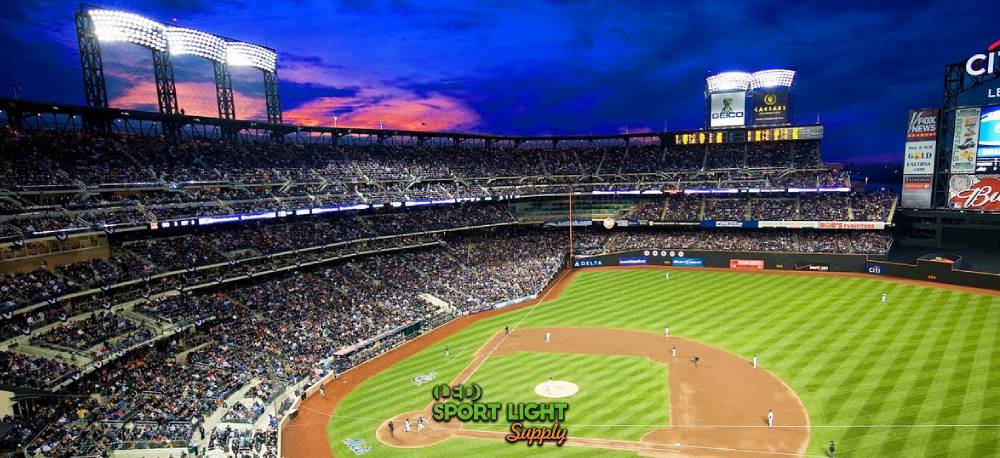
While achieving the target lux levels is a primary goal in baseball lighting design, it is not the sole determinant of a successful system. The quality of light distribution across the field and spectator areas—captured by metrics like uniformity and glare control—plays an equally vital role in ensuring a safe, functional, and pleasant environment. Inconsistent lighting or uncontrolled glare can undermine even the brightest illumination, affecting both gameplay and the overall spectator experience.
Uniformity Ratios and Their Influence
Uniformity measures how consistently light is distributed across a surface. It is typically expressed as a ratio comparing the minimum illumination level to the average or maximum illumination. In baseball lighting, a common target is a uniformity ratio of 0.7 or higher, meaning the darkest area on the field maintains at least 70% of the brightness found in the brightest area.
Why does uniformity matter so much? Even if a field achieves an average of 750 lux, large discrepancies—such as areas dropping to 300 lux—create visual challenges. Players moving quickly across the field experience abrupt changes in brightness that can disrupt their ability to track the ball, judge distances, and react in time. This inconsistency not only affects athletic performance but also raises the risk of injury due to missteps in poorly lit patches.
Uniform lighting also supports visual comfort by reducing eye strain. When spectators’ or players’ eyes must constantly adjust to fluctuating brightness levels, fatigue sets in faster, diminishing both safety and enjoyment.
Achieving good uniformity requires thoughtful lighting design. This involves careful selection of fixture types, beam spreads, mounting heights, and precise aiming. For instance, wide beam floodlights might be used to fill in large areas, while narrow beam fixtures target specific zones that would otherwise fall below uniformity thresholds. Designers often use 3D lighting simulations to model how fixtures illuminate the field, adjusting layouts until uniformity goals are met.
For example, a collegiate baseball field that upgraded from metal halide to LED saw its uniformity improve from 0.55 to 0.76. This enhancement allowed players to track fly balls more reliably under consistent light, while reducing shadows that previously caused missed catches and awkward footing.
Managing Glare for Players and Spectators
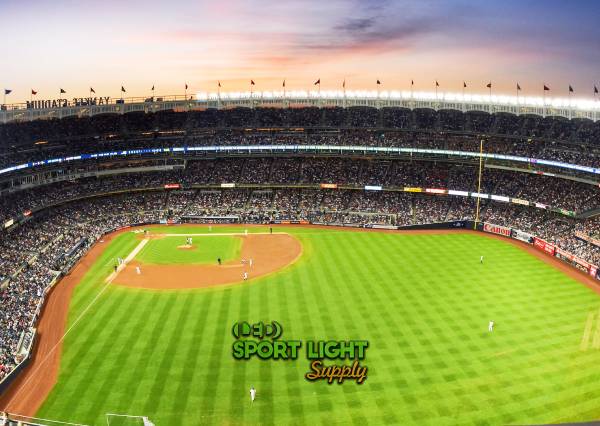 Alongside uniformity, managing glare is fundamental to effective baseball lighting. Glare occurs when overly bright light, either direct from a fixture or reflected from a surface, enters the eye and overwhelms its ability to adapt. This can lead to temporary vision loss, discomfort, or longer-term eye fatigue.
In baseball, glare is particularly problematic when players attempt to catch high fly balls or judge pitches coming toward them at high speeds. A sudden burst of light in the field of vision can delay reaction times by fractions of a second—differences that often separate a clean play from an error or even injury.
For spectators, glare diminishes the enjoyment of the game. Bright, unshielded lights can wash out visual contrast, making it hard to follow the ball or see player movements clearly. In high-traffic areas such as stairs and walkways, glare can become a safety hazard, as momentary blindness increases the risk of trips and falls.
Techniques to Minimize Glare
Lighting professionals use several strategies to minimize glare while still achieving necessary lux levels. One common technique is employing fixtures with full cutoff optics or specialized shields that direct light precisely onto the field, preventing stray beams from spilling into players’ or spectators’ lines of sight. By limiting the angle at which light is emitted, these fixtures ensure illumination stays on the intended surfaces.
Mounting height is another critical factor. Taller poles allow light to be cast at more forgiving angles, reducing the intensity of direct light seen by players and fans. A baseball stadium might use poles as high as 70 feet to achieve effective coverage while minimizing glare. Designers also carefully calculate fixture tilt angles to avoid light aiming directly toward eye level.
In some scenarios, indirect or diffused lighting techniques help soften illumination, spreading it more gently across the playing area. Advanced LED systems often include built-in optics that diffuse light without reducing overall brightness, enhancing both uniformity and glare control simultaneously.
Case Example: Balancing Glare and Brightness in a Community Field
A community baseball field serving local leagues faced challenges with glare after installing powerful floodlights to meet a target of 300 lux. While the field was bright enough, players complained about losing sight of the ball against intense fixture beams, and nearby residents reported intrusive light spilling into their homes.
By retrofitting existing fixtures with glare shields and adjusting tilt angles to aim more downward, the facility reduced disruptive light. They also added several shorter fixtures at lower wattages around the perimeter, improving uniformity and lowering peak brightness that contributed to glare. After these changes, feedback from both players and the community improved dramatically, demonstrating how glare management is just as critical as raw lux levels in achieving successful lighting.
The Interplay of Lux, Uniformity, and Glare
Ultimately, lux levels, uniformity, and glare control are interconnected elements of effective baseball lighting. High lux readings alone are insufficient if large sections of the field remain poorly illuminated or if intense glare disrupts play. A well-designed system balances these factors, achieving consistent brightness across all field zones and spectator areas while keeping direct light out of eyes.
Lighting designers increasingly rely on sophisticated software to simulate these combined factors before installation. By modeling lux contours, calculating uniformity ratios, and visualizing potential glare, they create lighting plans that deliver both performance and comfort.
This thoughtful integration ensures that players can react confidently to fast-moving plays, spectators enjoy a clear view of the action without discomfort, and the overall lighting environment remains inviting and safe throughout the game.
Maintenance and Monitoring of Lux Levels Over Time
Maintaining consistent lux levels in baseball fields and spectator areas is a continuous process that requires careful attention and proactive management. Over time, lighting fixtures naturally experience performance degradation caused by factors such as dirt accumulation, aging lamps, and environmental exposure. If these issues go unaddressed, the resulting reduction in illumination can compromise player visibility, spectator safety, and overall lighting quality.
Common Causes of Lux Level Degradation
Several factors contribute to the gradual decline of light output in sports lighting systems. One primary cause is the buildup of dust, dirt, and grime on fixture lenses and reflectors. Outdoor environments, especially those near trees, construction sites, or dusty fields, can accelerate this accumulation. Even a thin layer of dirt can reduce light transmission by up to 20%, lowering effective lux levels.
Another cause is lamp lumen depreciation, a natural process where the brightness of a bulb decreases as it ages. Traditional metal halide lamps, for example, may lose 20-30% of their initial brightness after 10,000 to 15,000 hours of use. Although LEDs experience less depreciation, their output can still diminish over time due to thermal stress and component wear.
Environmental factors such as moisture, temperature fluctuations, and exposure to UV radiation can also damage fixtures or degrade optical components, further reducing light efficiency.
Implementing Regular Maintenance Protocols
Developing and following a structured maintenance schedule is fundamental to preserving target lux levels. This includes periodic cleaning of fixtures to remove dirt and debris, which can restore lost illumination and prevent long-term damage. Cleaning frequency depends on the environment; dusty or polluted areas may require monthly cleaning, while cleaner locations might only need quarterly attention.
Routine lamp or fixture replacement is another key aspect. For traditional lighting technologies, lamps should be replaced before their output falls below acceptable thresholds, often around 70-80% of initial lumen output. LED fixtures, while longer-lasting, benefit from scheduled inspections to check for dimming or color shifts.
Regular inspections should also verify that fixture aiming and positioning remain unchanged. Strong winds, accidental impacts, or maintenance activities can alter angles, creating uneven lighting and reducing uniformity. Readjusting fixtures ensures that lux levels remain consistent across the field and spectator zones.
Leveraging Advanced Monitoring and Control Technologies
Modern baseball lighting systems increasingly incorporate smart technologies that simplify maintenance and enhance lux level management. Sensors and IoT-enabled fixtures can continuously monitor illumination output, reporting real-time data to facility managers. This capability allows for early detection of performance drops before they affect play or safety.
Control systems can also automate dimming, scheduling, and zoning, optimizing energy use while maintaining proper lux levels during different phases of use. For instance, dimming lights during warm-ups or practice reduces wear on fixtures and saves electricity without sacrificing safety.
Some advanced systems include predictive maintenance features, analyzing usage patterns and fixture health to forecast when replacements or repairs will be needed. This proactive approach minimizes unexpected failures and downtime.
Case Study: Successful Maintenance in a Collegiate Baseball Stadium
At a well-known collegiate baseball stadium, the facility management team implemented a comprehensive lighting maintenance program after noticing uneven illumination and reduced lux levels during games. They introduced quarterly cleaning of all fixtures, combined with annual lamp replacement cycles. Additionally, they installed LED fixtures with integrated monitoring sensors that alerted staff when individual lights began to dim.
As a result, the stadium maintained uniform lux levels above 700 lux throughout the playing surface, meeting NCAA lighting standards consistently. Players reported improved visibility and reduced glare, while spectators benefited from enhanced safety in walkways and seating areas. The stadium also reduced energy consumption by 15% through automated dimming controls during non-game hours.
Best Practices for Ongoing Lux Level Monitoring
Regular lux measurements using handheld light meters or integrated sensors are essential to verify that lighting systems meet design specifications. Measurements should be taken at multiple points across the field and spectator zones to assess uniformity and detect potential problem areas.
Data from these measurements should be logged and compared over time to identify trends indicating fixture aging or maintenance needs. Combining this information with operational schedules helps optimize maintenance timing and budgets.
Training maintenance personnel to recognize signs of lighting degradation and to safely perform cleaning and adjustments also supports the longevity of the system. Clear documentation of procedures and schedules ensures consistency, especially when staff turnover occurs.
Balancing Maintenance Costs and Lighting Quality
While regular maintenance requires investment, it prevents the greater costs associated with emergency repairs, fixture replacements, or liability issues caused by inadequate lighting. Using durable lighting technologies like LEDs can reduce the frequency and expense of maintenance without compromising lux levels.
Long-term planning that includes maintenance in the overall budget allows facilities to sustain high lighting performance and create safe, comfortable environments for players and fans alike.
Conclusion
Choosing the ideal lux levels for baseball fields and spectator areas involves balancing visibility, safety, and comfort across various zones. The playing field demands higher lux values that enable players and officials to perform with clarity and precision, while dugouts and spectator zones require softer lighting that supports navigation and relaxation without causing glare or discomfort.
The range of lux levels varies from approximately 150 to 1500 lux depending on the level of play and location within the facility. Ensuring uniform light distribution and controlling glare enhances the effectiveness of these illumination levels. Factors such as field size, lighting technology, environmental regulations, and usage patterns influence the selection and implementation of lighting systems.
Maintenance plays a role in sustaining target lux levels over time, with LED technology and smart controls offering new opportunities for efficient, adaptable lighting. Ultimately, thoughtful lighting design improves the experience for players and fans alike, fostering an environment where baseball can be enjoyed safely and comfortably under the night sky.