
Lighting a stadium sounds simple until the numbers start stacking up. Once you factor in equipment, installation, long-term electricity use, and maintenance, the price can swing wildly. A small community field might stay under six figures, while a professional stadium can easily push past several million dollars. So how much do stadium lighting cost, really? The answer depends on many moving parts, from the sport being played to how often the lights are switched on at night.
Let’s walk through the full picture in a realistic, no-nonsense way, using real-world price ranges and everyday language.
Stadium lighting isn’t just another line item in a construction budget. Once the poles are up and the lights are installed, changing direction later can be painful and expensive. A lighting system is expected to last 15 to 30 years, so decisions made today will affect operating costs for decades.
One reason cost planning matters so much is scale. A single high-output LED sports light can cost anywhere from $800 to $3,000, and a stadium may need 40, 80, or even more fixtures. That adds up quickly before installation even starts. On top of that, lighting affects player safety, broadcast quality, and fan experience. Poor lighting design can lead to dark spots, glare issues, and complaints that never really go away.
Another factor people often underestimate is energy usage. A traditional metal halide system can consume 30–50% more electricity than a modern LED setup. Over ten or twenty years, that difference can easily exceed the upfront savings of cheaper fixtures. Planning the lighting cost carefully helps avoid spending twice—once on installation and again on upgrades.
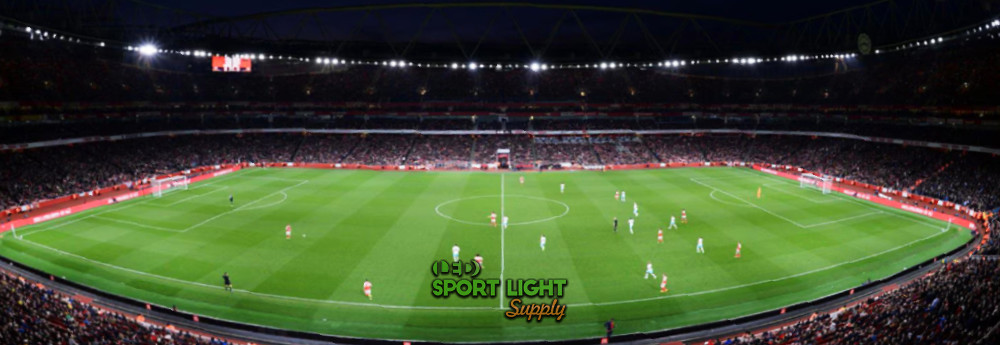
When people talk about how much do stadium lighting cost, most of the time they’re thinking about the lights you see turned on at night. In reality, the lighting fixtures are just one part of a much bigger system. Once you add up poles, wiring, power distribution, and control hardware, the equipment budget can easily double or even triple compared to fixtures alone. Getting a clear picture early helps avoid surprises once quotes start coming in.
| Component | Typical Cost Range |
|---|---|
| LED Lighting Fixtures (per unit) | $800 – $3,000 |
| Metal Halide Fixtures (per unit) | $400 – $1,000 |
| Number of Fixtures (per field) | 40 – 200+ |
| Total Fixture Cost | $40,000 – $500,000+ |
| Stadium Light Poles (per pole) | $3,000 – $12,000 |
| Total Pole Cost | $30,000 – $100,000+ |
| Mounting & Aiming Hardware (per fixture) | $200 – $600 |
| Wiring & Electrical Infrastructure | $20,000 – $100,000 |
| Electrical Upgrades (if needed) | $10,000 – $50,000 |
| Basic Lighting Control System | $5,000 – $15,000 |
| Advanced Smart Control System | $30,000+ |
Lighting fixtures usually take the biggest bite out of the equipment budget, and for good reason. They’re doing the real work. Modern LED stadium luminaires typically cost between $800 and $3,000 per unit, depending on wattage, optical design, beam spread, glare control, and brand reputation. High-level competition stadiums may use fixtures rated at 1,200 to 1,800 watts, especially for HD or 4K broadcasting, while community fields and school facilities often sit comfortably in the 300 to 600 watt range.
The number of fixtures adds up fast. A small football field might need 40 to 60 fixtures, while a large professional venue can exceed 200 units. That means fixture costs alone can range from $40,000 on the low end to well over $500,000 before anything is installed.
Metal halide fixtures look cheaper at first glance, usually priced around $400 to $1,000 per fixture, which is why they were so popular for decades. The downside shows up later. They burn more electricity, lose brightness over time, and usually need lamp replacements every few seasons. Mercury vapor lights, once a standard option, are now rarely used because of low lumen output, poor color quality, and limited availability of replacement parts. Many suppliers don’t even recommend them anymore for new stadium projects.
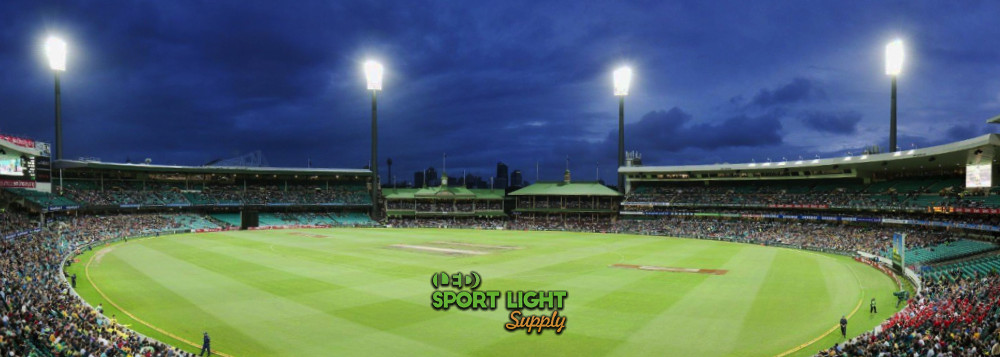
Light poles are one of those costs that surprise people. They’re not just tall sticks holding lights; they’re engineered structures designed to handle wind loads, vibration, and the combined weight of fixtures, brackets, and wiring. A standard steel stadium light pole typically costs $3,000 to $12,000 per pole, depending on height, wall thickness, and coating.
For larger stadiums, poles often reach 30 to 40 meters in height, and those can cost significantly more due to structural calculations and fabrication requirements. In coastal or high-wind areas, reinforced designs may push prices even higher. When a stadium uses eight to twelve poles, it’s easy to see how pole costs alone can reach $100,000 or more.
Reusing existing poles can save money, but only if they meet current safety standards and can support modern LED fixtures, which sometimes have different wind profiles than older lights. In some cases, reinforcing or retrofitting old poles ends up costing almost as much as replacing them outright, without offering the same lifespan.
Beyond the poles themselves, mounting brackets, crossarms, and aiming systems are often overlooked. Adjustable brackets designed for precise beam aiming can cost $200 to $600 per fixture, depending on material and load rating. These components matter more than people think, especially for sports that require tight light control and minimal glare. Poor mounting hardware can lead to vibration, misalignment, and uneven lighting that’s hard to fix later.
Wiring and electrical infrastructure are less visible, but they quietly eat up a big chunk of the equipment budget. Costs depend on cable length, trenching conditions, conduit type, and local electrical codes. For a medium-sized stadium, wiring, junction boxes, transformers, and distribution panels can range from $20,000 to $100,000, sometimes more if the site is spread out.
Older stadiums often need electrical upgrades to handle modern LED systems, especially if they’re switching from lower-efficiency lighting. New transformers, upgraded switchgear, and higher-capacity feeders can add $10,000 to $50,000 without much warning. These upgrades don’t look exciting on paper, but they’re necessary to keep the system stable and compliant.
Modern stadium lighting is rarely controlled by a simple wall switch anymore. Lighting control systems allow operators to dim lights, schedule events, create zones, and instantly restart fixtures after power interruptions. For facilities hosting televised games, instant on-and-off capability alone can justify the investment.
Basic control systems usually cost between $5,000 and $15,000, covering core functions like scheduling and grouped control. More advanced smart systems with wireless connectivity, remote monitoring, scene presets, and integration with building management systems can exceed $30,000, especially in large venues.
While control systems are sometimes labeled as optional, they often reduce wasted energy and extend fixture life. Over time, the savings from smarter operation can offset a good portion of the upfront cost. For stadiums that host multiple sports or frequent events, flexible lighting control becomes less of a luxury and more of a practical tool.
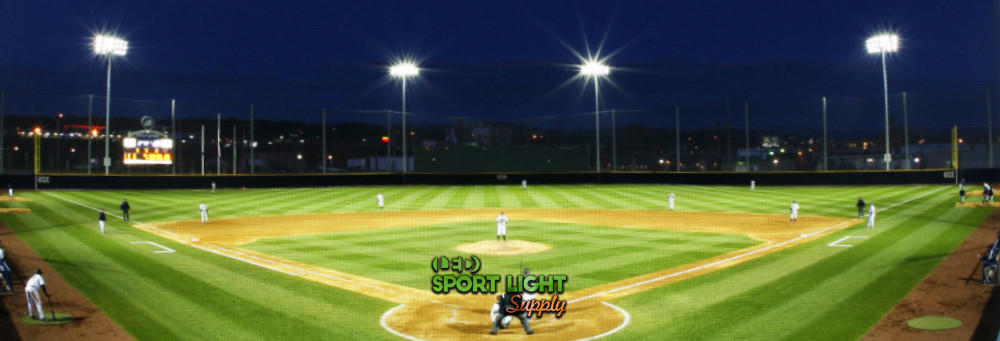
If equipment prices set the baseline, installation is where stadium lighting budgets can really start to drift. Two projects using the same fixtures can end up with very different final numbers, simply because installation conditions aren’t the same. Labor skill level, machinery, safety requirements, and site complexity all stack together, and once crews are on-site, costs move fast.
| Installation Cost Item | Typical Cost Range |
|---|---|
| Labor Cost (mid-size stadium) | $50,000 – $200,000 |
| Labor Share of Total Project | 20% – 40% |
| Crane Rental (per day) | $3,000 – $8,000 |
| Crane Usage Duration | 1 – 5+ days |
| Insurance & Safety Costs | Included in install pricing |
| Electrical & Structural Permits | 5% – 10% of install cost |
| Additional Ground Work (if needed) | Varies, often $10,000+ |
Labor is usually the biggest piece of the installation bill. Stadium lighting isn’t basic electrical work. Crews need experience with high-mast installations, heavy fixtures, complex aiming angles, and strict safety rules. Because of that, labor alone often takes up 20–40% of the total project cost.
For a typical mid-size stadium, labor costs usually fall between $50,000 and $200,000, but larger venues or pro-level stadiums can go well beyond that. Skilled technicians are needed not just to mount fixtures, but also to aim them precisely. A few degrees off can create glare or dark zones, which then means extra hours adjusting and rechecking light levels.
Timing also affects pricing. Night work, weekend schedules, or tight construction deadlines often come with higher labor rates. In urban areas, crews may face limited access windows or traffic restrictions, which can stretch timelines and push costs higher. Even weather plays a role. Windy or rainy conditions can delay work on tall poles, leading to extra labor days that weren’t part of the original plan.
Getting lights up 30 meters in the air isn’t cheap. Most stadium projects require cranes, boom lifts, or specialized high-reach equipment. Crane rental alone can run $3,000 to $8,000 per day, depending on crane size, lifting capacity, and local availability. Larger stadiums may need cranes on-site for multiple days, especially when poles and fixtures are installed separately.
Then there’s insurance. High-altitude work carries more risk, and contractors factor that into their pricing. Liability insurance, worker safety coverage, and equipment insurance all add to the cost, especially for projects with tall poles, tight clearances, or public access nearby. While these costs aren’t always listed as separate line items, they’re built into installation quotes and can noticeably raise the final number.
No two sites behave the same way once construction starts. Rocky soil, poor drainage, or uneven ground can slow foundation work and require additional machinery or materials. If underground utilities are discovered during trenching, work may stop while layouts are adjusted, adding both time and cost.
Access is another common issue. Stadiums located in dense neighborhoods or school campuses may have limited space for cranes and delivery trucks. That can mean smaller equipment, more trips, and longer setup times. All of this quietly increases labor hours.
Permits and inspections don’t get much attention, but they’re a real part of installation expenses. Electrical permits, structural approvals, and final inspections often add 5–10% to the overall installation budget. In some regions, additional compliance checks are required for glare control, light spill, or environmental impact, especially near residential areas.
These steps may not feel productive when you’re watching the budget, but skipping or rushing them can lead to delays or rework later. Most experienced contractors build these costs into their schedule from the start, knowing they’re simply part of the process.
If upfront costs decide whether a project moves forward, running costs decide whether it stays affordable in the long run. Electricity, maintenance, and downtime all show up year after year, and over a 10- or 20-year lifespan, they often cost more than the original equipment. This is where lighting technology choices really start to separate themselves.
| Lighting Type | Annual Electricity Cost | Lifespan | Maintenance Frequency |
|---|---|---|---|
| LED Stadium Lighting | $10,000 – $25,000 | 50,000 – 100,000 hrs | Minimal |
| Metal Halide Lighting | $20,000 – $40,000 | 6,000 – 15,000 hrs | Every few seasons |
| Mercury Vapor Lighting | $40,000+ | 16,000 – 24,000 hrs | Increasing, parts limited |
LED stadium lighting has changed how operators think about operating expenses. A modern LED sports light converts a much higher percentage of electricity into usable light, which is why power consumption can drop by 30–60% compared to older systems. For a mid-size stadium used several nights a week, annual electricity costs typically land between $10,000 and $25,000, depending on local energy rates and usage patterns.
What makes LEDs especially appealing is consistency. They maintain brightness over time and don’t suffer the same lumen drop that traditional lamps do. Many LED fixtures are rated for 50,000 to 100,000 hours, which can translate to 15 or even 20 years of use in some facilities. That means fewer shutdowns, fewer lift rentals, and far less money spent on replacement parts.
Maintenance savings add up quietly. With LEDs, there’s no regular bulb replacement schedule, no waiting for lamps to cool down, and no color shift as fixtures age. Over a decade, maintenance savings alone can reach tens of thousands of dollars, especially in stadiums where access requires cranes or high lifts.
Metal halide lighting still shows up in older stadiums and budget-focused projects because of its lower upfront price. The tradeoff becomes clear once the system is switched on regularly. Metal halide fixtures draw more power and need a warm-up period of 10 to 20 minutes, during which energy is consumed but usable light is limited.
For a similar-sized stadium, annual electricity costs with metal halide lighting often fall between $20,000 and $40,000, sometimes more in areas with high energy prices. Over time, these systems also lose brightness, which tempts operators to run lights longer or install higher wattage lamps just to maintain acceptable light levels.
Maintenance is another ongoing expense. Metal halide bulbs typically last 6,000 to 15,000 hours, meaning replacements may be needed every few seasons. Each replacement involves labor, equipment rental, and downtime, which can push maintenance costs well beyond initial expectations.
Mercury vapor lighting is the least efficient option still found in some older facilities. These systems consume more electricity while delivering lower light output and poorer color quality. Annual operating costs can easily exceed $40,000, even for modest-sized venues.
Another issue is availability. Replacement lamps and components are becoming harder to find, and prices continue to climb. As a result, maintenance costs increase every year, and failures can lead to long outages. Because of this, most stadium operators are actively phasing mercury vapor systems out, even if they’re still technically functional.
Over time, running costs tell a very clear story. While LEDs may cost more on day one, their lower energy use, minimal maintenance, and stable performance usually make them the most affordable option once the lights have been on for a few seasons.
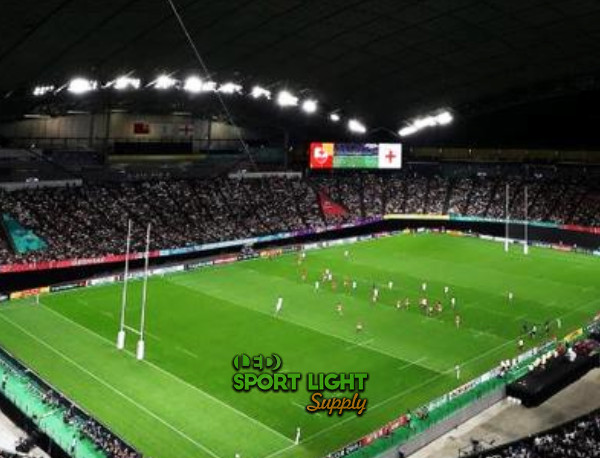 Stadium lighting costs change a lot depending on the sport being played. Each sport has its own lighting standards, field dimensions, and visual expectations. Some need wide, even brightness across a large area, while others demand high vertical illumination for fast-moving balls or televised action. Because of that, two venues with similar seating capacity can end up with very different lighting budgets.
Football and soccer fields are all about uniform coverage across a large rectangular area. Players, referees, and fans all rely on consistent lighting with minimal shadows. At the community or school level, lighting a full-size field usually costs between $200,000 and $500,000, depending on pole height, fixture count, and whether LEDs or older systems are used.
Professional football and soccer stadiums are in a different league. Broadcast requirements often push horizontal and vertical lighting levels much higher, especially for HD and slow-motion replay. That means more fixtures, higher wattage, and tighter aiming tolerances. It’s not unusual for professional installations to exceed $2 million, with some international venues going well beyond that once controls and redundancy systems are added.
Baseball and softball lighting is more complex than it looks. The infield requires higher brightness for fast reaction plays, while the outfield focuses on visibility of high balls against the night sky. A small softball field may come in around $120,000 to $150,000, especially at the recreational level.
Regulation baseball stadiums, however, can climb quickly in cost. Tall poles, higher mounting heights, and precise aiming all increase both equipment and installation expenses. For competitive or professional-level baseball, lighting costs of $800,000 to $1 million or more are common, particularly when broadcast-quality lighting is required.
Cricket stadiums tend to be large, open spaces that host long matches, often lasting well into the evening. That means high illumination levels sustained for many hours, which pushes both equipment and operating costs higher. Smaller cricket grounds may start around $500,000, but international venues with television coverage, tall masts, and advanced control systems can easily exceed $3 million.
Because the ball travels high and far, cricket lighting also needs strong vertical illumination and excellent glare control, which usually means more fixtures and higher poles.
Tennis lighting depends heavily on whether courts are outdoor or indoor. A single outdoor court may cost $20,000 to $40,000, while a multi-court facility can reach $40,000 to $120,000 or more. Competitive play requires even lighting and good color rendering so players can track the ball clearly.
Basketball venues vary widely. A small indoor gym may only need $100,000 worth of lighting, while large arenas with spectator seating, broadcast needs, and show lighting can exceed $800,000. Dimming capability and instant-on performance are often expected, especially for televised games and events.
Badminton halls demand bright, evenly distributed lighting with very tight glare control, since players are constantly looking upward. Depending on hall size and ceiling height, costs typically range from $150,000 to $400,000.
Natatoriums bring another layer of complexity. Moisture, corrosion, and reflections off the water all affect fixture choice and placement. As a result, lighting costs often fall between $200,000 and $600,000, especially when corrosion-resistant fixtures are required.
Race tracks are among the most expensive sports lighting projects. The sheer size of the area, combined with safety standards and long operating hours, pushes costs higher. Smaller tracks may start around $500,000, while major circuits with full perimeter lighting and broadcast-grade coverage can reach several million dollars.
Keeping stadium lighting costs under control doesn’t mean going cheap or sacrificing performance. In fact, the most expensive projects are often the ones that try to save money in the wrong places. A few smart decisions early on can protect the budget while still delivering lighting that works well for players, fans, and operators.
A well-thought-out lighting design sets the tone for the entire project. It determines fixture placement, mounting height, beam angles, and lighting levels long before equipment is ordered. When this step is rushed or skipped, projects often end up with too many fixtures, uneven lighting, or glare issues that require fixes later.
Spending around 5–10% of the total project budget on professional lighting design may sound like extra cost, but it usually saves much more during installation and operation. A solid design can reduce fixture count by 10–20% simply by using better optics and smarter placement. It also shortens installation time, since crews aren’t guessing or making on-site adjustments for hours.
Another benefit is future-proofing. A good design considers possible upgrades, additional seating, or broadcast requirements, which helps avoid expensive rework down the road. In many cases, good design pays for itself within a few seasons through lower energy use and fewer corrections.
LED lighting remains one of the most effective ways to reduce stadium lighting costs without compromising quality. While LEDs cost more upfront, the savings show up quickly. Lower power consumption alone can reduce electricity bills by 30–60%, especially for facilities that host frequent night events.
Maintenance is where LEDs really shine. With lifespans rated up to 100,000 hours, LEDs eliminate regular lamp replacement cycles. For stadiums that require cranes or lifts for maintenance, skipping even a few service calls can save thousands of dollars per year. Many facilities see full payback in 3 to 6 years, and after that, the savings keep stacking up.
LEDs also offer flexibility. Dimming, zoning, and instant on-off capability help reduce wasted energy during practices, partial events, or setup time. Instead of running everything at full power, operators can light only what’s needed.
Energy-efficient lighting upgrades often qualify for financial incentives. Utility companies, local governments, and national programs frequently offer rebates covering 10–40% of LED lighting costs. For schools, municipalities, and community sports facilities, these programs can make a big difference in overall project affordability.
The key is planning ahead. Many grants require pre-approval, detailed energy calculations, or certified equipment. Starting the application process early helps avoid missing out on available funding. In some cases, stacking multiple incentives can reduce upfront costs far more than expected.
More light isn’t always better. Over-lighting is one of the most common reasons stadium lighting costs run higher than necessary. By matching lighting levels to actual usage—training, community games, or professional competition—facilities can avoid unnecessary fixtures and energy use.
Designing multiple lighting scenes allows operators to run lower light levels during practices and full brightness only when needed. Over time, this approach can cut operating costs significantly while still meeting standards when it matters.
Environmental conditions matter. Coastal air, humidity, extreme heat, or cold can shorten the lifespan of lighting equipment if materials aren’t chosen carefully. Spending a bit more on corrosion-resistant housings, proper coatings, and sealed optics can reduce maintenance and replacement costs over the system’s life.
While these upgrades add to the initial price, they often prevent early failures that lead to unplanned spending later on.
Coordinating installation schedules with other construction work can save money. Sharing cranes, lifts, or site access with other trades reduces equipment rental time. Avoiding rushed timelines also helps keep labor costs in check, since overtime and night work usually come at a premium.
When people ask how much do stadium lighting cost, the most honest answer is that it depends on choices made early on. Equipment, installation, and long-term operation are all connected. Spending a bit more upfront on efficient technology and thoughtful design often leads to lower bills and fewer headaches down the road.
A well-planned lighting system doesn’t just light up the field. It supports better play, happier fans, and a budget that stays under control year after year.