
One of the trickiest things to deal with in stadium lighting is glare. Ever squinted while watching a game under floodlights? That’s glare at work. In stadium design, glare isn’t just annoying—it can affect performance, safety, and the overall quality of the game. To measure and manage it, the industry relies on something called GR rating. Let’s take a closer look.
Glare happens when a light source is too bright compared to its surroundings, making it hard for the eyes to adjust. In stadiums, it’s more than just discomfort. Glare can make it hard for athletes to see the ball, affect goalkeepers’ reactions, or even make fans struggle to follow the game. Imagine looking at a football pitch at night with floodlights shining directly in your eyes—that’s the type of glare stadium planners want to avoid.
Glare isn’t just about eye strain. In professional sports, milliseconds count. A baseball batter, for example, has less than half a second to decide if a pitch is a strike. If a floodlight blinds them even briefly, it could affect performance. Fans watching from certain angles may also feel uncomfortable or have trouble seeing the action clearly. Plus, TV cameras amplify glare issues, making broadcast images look uneven or washed out. That’s why stadium designers pay a lot of attention to glare.
GR Glare Rating – What It Means And How It Works
Definition Of GR
GR, or Glare Rating, is basically a number that tells you how much glare a lighting setup produces in a stadium. Think of it like a “brightness comfort score.” The higher the number, the more likely that spectators, players, or cameras will experience discomfort from direct or reflected light. In practical terms, a GR value of 25 or below is usually considered comfortable for most stadium seating areas, while anything above 30 can start causing noticeable eye strain or visual distraction.
In stadium lighting, GR doesn’t just measure how bright a light is—it takes into account luminous intensity, viewing angle, observer position, and background luminance. So, even a super bright LED floodlight might score okay if it’s positioned and aimed carefully. Lighting designers rely on GR as a key reference to make sure the field is lit brightly enough for play, but without blinding anyone.
How GR Works In Stadium Planning
GR rating is more than just a static number—it’s a planning tool. Stadium engineers calculate GR for every section of seating, the field, player benches, and even areas for TV cameras. For example, if you have a floodlight with a luminous intensity of 50,000 cd (candela) at a 20-degree beam angle, aimed too close to the stands, the GR for the front rows could spike to 32–33, which is uncomfortable for fans. By adjusting the mounting height, aiming angle, or using cut-off optics, engineers can bring that number down to 25–27, keeping glare manageable without sacrificing field brightness.
In practice, GR calculations often involve simulation software. Modern stadiums use 3D models to map how each fixture affects every seating area. They simulate multiple viewing angles, from front-row spectators to TV cameras at 30–50 meters high, so designers can see exactly where glare hotspots might appear. GR becomes a balancing act, making sure the field is evenly lit for players, spectators, and broadcast needs all at once.
The History And Standardization Of GR
The idea of measuring glare isn’t new. Back in the 1980s and 1990s, architects and lighting engineers began formalizing methods to quantify visual discomfort caused by bright lighting. Early research focused on human perception—how the eye reacts to bright lights in different environments. For stadiums, where distances are huge and multiple light sources are involved, a specific metric was needed. That’s where GR rating came in.
International bodies like the CIE (International Commission on Illumination) and the IEC (International Electrotechnical Commission) later helped standardize how to calculate and interpret GR. These standards cover formulas, measurement methods, and recommended ranges for different stadium types. For example, soccer stadiums typically aim for a GR of 22–28 for general seating, while swimming pools and ice hockey arenas might aim for 18–23 because reflective surfaces can intensify glare.
Over time, as LED technology replaced older metal halide and halogen fixtures, GR calculations became even more important. LEDs are more directional and intense, so poor placement can create sharp glare spots even at lower wattages. That’s why modern stadiums pay extra attention to GR in both design and retrofit projects.
GR Vs UGR
You might hear about UGR, or Unified Glare Rating, especially in indoor lighting. While the two metrics are related, they aren’t interchangeable. UGR is mainly used for smaller indoor spaces like offices, classrooms, or conference halls. It relies on similar glare formulas, but because the distances are short and ceilings are lower, it focuses more on individual luminaires’ contribution to discomfort.
GR, on the other hand, is better suited for large-scale, outdoor, or semi-outdoor spaces like stadiums, where you’re dealing with multiple high-intensity floodlights, long throw distances, and variable observer positions. GR also considers the angular subtense of the light source, which means it takes into account how “spread out” a bright source appears to the human eye—critical in stadiums where lights are hundreds of meters away but still intense enough to dazzle.
In other words, while UGR is useful indoors, GR is the go-to metric for sports arenas, track fields, and stadiums. Designers often compare GR values across different sections to see where adjustments are needed. For example, lowering the aiming angle by just 5–10 degrees on a single LED floodlight can drop the GR from 30 to 25 in a key seating section. Small tweaks like this make a noticeable difference in comfort and visibility.
Why GR Matters For Everyone
GR doesn’t just matter for spectators. Players tracking a fast-moving ball, referees following offside lines, and cameras capturing high-definition footage all benefit from properly managed glare. Even a slight increase in GR—say, from 25 to 28—can affect a goalkeeper’s ability to react to a high ball in the last seconds of a match.
of the heavy lifting, letting designers quickly see which areas might be uncomfortable.
Factors Affecting GR Rating
Luminous Intensity
The brighter a floodlight is, the more likely it is to create glare. In stadiums, a single LED floodlight can have a luminous intensity of 50,000–70,000 cd or more. If that intensity is focused in a small area or aimed poorly, the GR rating can easily jump into the 30+ range, making spectators squint and players uncomfortable. On the other hand, reducing intensity slightly or spreading it across multiple fixtures can drop the GR to the mid-20s, which is generally much more comfortable. Designers often balance intensity with beam distribution so the field remains bright enough for play but without overloading anyone’s eyes.
Number Of Lights
It might seem counterintuitive, but more lights can actually lower glare if positioned correctly. Imagine a stadium with just four massive 1000W floodlights versus a setup with twelve smaller 500W fixtures. The first setup may produce hotspots and a higher GR because each light is intense and focused. The second setup spreads the brightness more evenly across the field, reducing extreme glare, even though the total illumination is the same. Careful planning ensures each fixture contributes evenly without creating discomfort in spectator zones or interfering with TV camera lines.
Height Of Lights
How high the floodlights are mounted plays a major role. A higher mounting height usually reduces direct glare because the light travels at a steeper angle relative to spectators’ eyes. For example, lights mounted at 25–30 meters in a football stadium are less likely to hit front-row viewers directly. But it’s a balancing act—too high, and light spreads out, reducing intensity on the field. That often means designers need to increase wattage to maintain field brightness, which can increase glare from certain angles, particularly for camera operators or spectators sitting in elevated sections.
Aiming Angle And Beam Angle
Where the lights are aimed and how wide the beam spreads is another big factor. A narrow beam aimed straight at the stands can create strong, harsh glare, with GR values easily climbing above 30. Wider beams or carefully angled lights can spread brightness more evenly, reducing direct discomfort while still keeping the field lit. Many modern stadiums use asymmetric lenses or cut-off optics to control where light goes, ensuring it illuminates the playing surface efficiently without blinding fans or cameras.
Observer Position
Not every seat in the stadium sees the same glare. Front-row spectators, players on the field, and even cameras at different heights and distances experience different brightness levels. GR calculations account for multiple observation points, often modeling dozens of positions across the stands, benches, and media areas. For example, a GR of 25 might be perfectly comfortable for someone in row 15, but the front row could see 28 or 29, so engineers tweak aiming angles or add shielding to bring it down.
How To Calculate GR
Calculating GR might sound complicated, but it’s basically about combining several factors into a weighted formula. You take the luminous intensity of each fixture, the angle it makes with the observer, the background luminance, and how large the light appears in the eye’s field of view. All these values are put into a formula that produces a single GR number for a given position. Modern software handles most of the heavy math, letting designers simulate the stadium in 3D, adjust fixtures virtually, and see how small tweaks—like a 5-degree shift in aiming or a slight reduction in output—change the GR across the entire venue.
Acceptable GR Range In Different Types Of Sports Stadiums
Different sports demand different lighting setups, and naturally, that affects the acceptable GR range. The main idea is to provide enough brightness for players and spectators without causing eye strain or glare, while also keeping broadcast images clear.
| Sport | GR Range |
|---|---|
| Football / Soccer | 22–28 |
| Baseball | 20–25 |
| Basketball | 19–24 |
| Cricket | 21–26 |
| Swimming | 18–22 |
| Ice Hockey | 19–23 |
| Tennis, Volleyball, Track & Field, Rugby, Handball, Cycling | 18–28 |
Football / Soccer
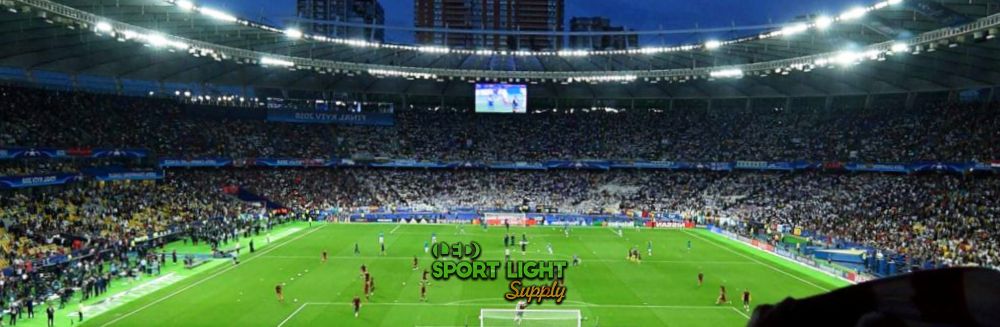
In football or soccer stadiums, night matches can be intense under floodlights. Fans and players need clear visibility of the ball and player movements, especially during long passes or shots on goal. For most stadiums, a GR rating of 22–28 in general seating areas is considered comfortable. Front-row seats or VIP boxes may be slightly more sensitive, so designers often aim for the lower end of that range. High-level leagues like the Premier League or UEFA competitions sometimes aim even tighter, around 22–25, to ensure television broadcasts don’t pick up harsh glare.
Baseball
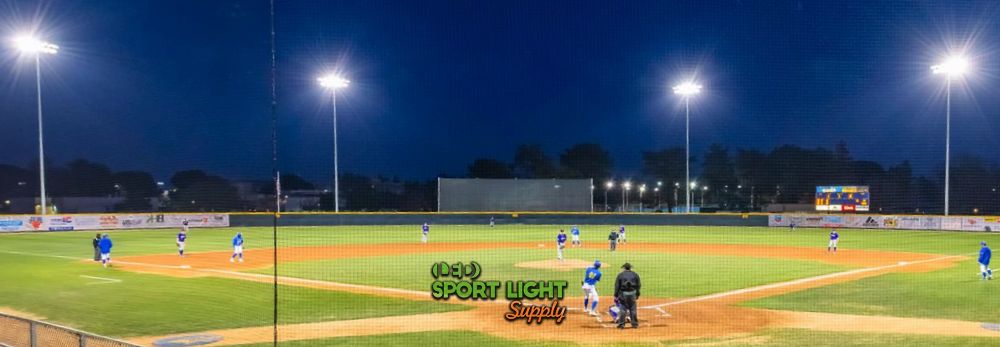
Baseball is a sport where milliseconds count. Batters, pitchers, and fielders all rely on tracking a small, fast-moving ball under night lights. To minimize visual discomfort, GR ratings are generally kept lower, around 20–25, especially in areas where players might be looking directly at floodlights, such as the batter’s box or pitcher’s mound. Stadiums with larger seating areas or irregular angles often use shielded luminaires and asymmetric beams to control glare while maintaining uniform field brightness.
Basketball
Indoor basketball arenas are easier to manage because the space is smaller and lighting can be controlled more precisely. A GR of 19–24 is typical, which keeps glare low for players jumping and moving rapidly across the court. This range also ensures broadcast cameras capture sharp, clear images without overexposed highlights. Some modern arenas use LED arrays with adjustable beam angles, so GR can be tuned depending on game requirements, special events, or TV broadcasting needs.
Cricket
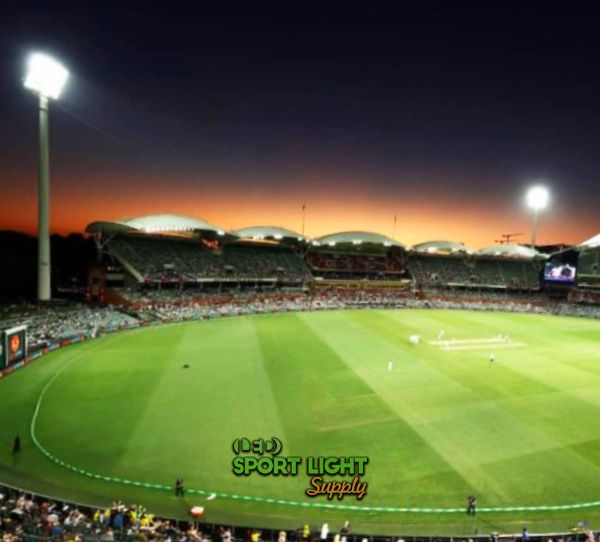 Cricket stadiums have unique challenges due to day-night matches and the high flight of balls. Players tracking balls against bright skies or artificial lights need minimal glare. Acceptable GR usually falls between 21–26. In larger venues, designers often combine tall, high-intensity floodlights with lower angled secondary fixtures to keep glare under control for spectators and players alike.
Swimming
Pools are tricky because water surfaces reflect light, amplifying glare and making swimmers squint or lose focus. Swimming venues usually aim for a GR of 18–22, balancing brightness for competition with comfort for athletes and spectators. Designers often use diffused lenses or angled floodlights to reduce reflection and direct glare into viewers’ eyes.
Ice Hockey
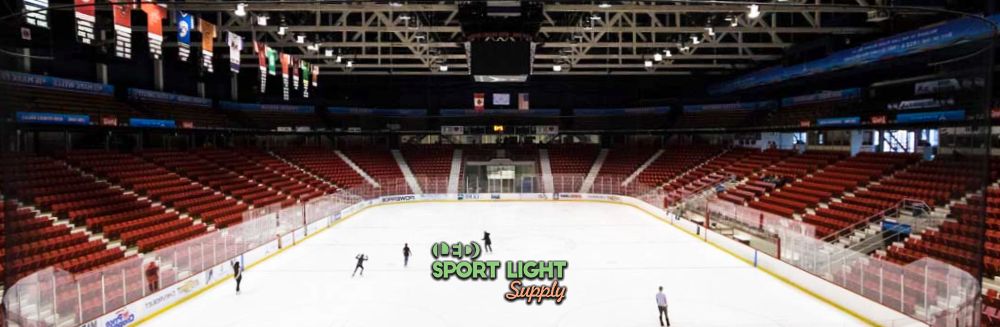
Ice hockey arenas face a similar issue with reflective surfaces. Ice can make light feel harsh, and players need quick reaction times to follow the puck. GR ratings of 19–23 are common, providing a comfortable viewing experience while keeping the ice well-illuminated. Some modern rinks employ dynamic lighting systems that adjust beam angles for different zones, minimizing glare near boards or player benches.
Other Sports
Other stadiums and arenas—like tennis courts, volleyball courts, track and field venues, rugby fields, handball halls, and cycling tracks—also have sport-specific GR requirements. Depending on field size, ball speed, and spectator positions, acceptable GR generally ranges from 18 to 28. Fast-moving sports like tennis or rugby usually aim for lower GR values to reduce visual strain, whereas slower-paced field events can tolerate slightly higher numbers.
Tips To Reduce Glare In Stadiums
Spread Lighting Evenly
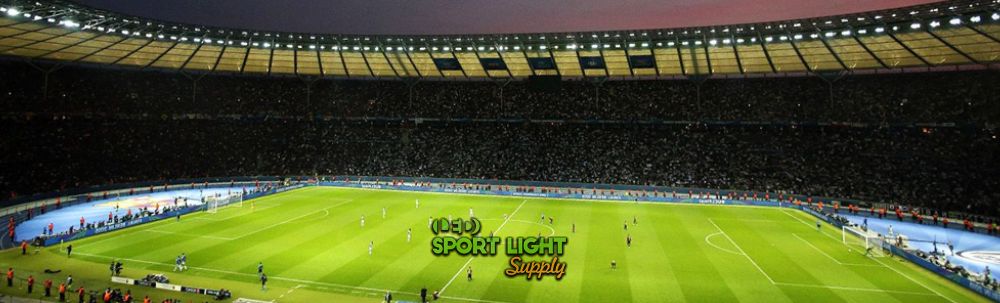
Reducing glare in stadiums isn’t just about lowering brightness—it’s about smart design and placement. Even tiny adjustments can make a huge difference for players, spectators, and cameras. One of the first steps is to choose well-distributed lighting instead of relying on a few ultra-bright fixtures. For example, instead of using four 1000W floodlights, designers might opt for twelve 500W LEDs spread evenly around the stadium. This approach spreads illumination across the field and spectator areas, lowering the GR in any one spot from around 32 to 25, which is much more comfortable for viewers.
Use Cut-Off And Shielded Luminaires
Using cut-off or shielded luminaires is another effective strategy. These are fixtures designed to direct light precisely where it’s needed and prevent it from spilling into spectator eyes or bouncing off reflective surfaces. Many modern stadiums employ asymmetric shields that keep the light focused on the field while keeping the audience glare-free.
Optimize Beam Angles
Optimizing beam angles plays a huge role as well. A narrow beam can create hotspots that spike the GR, while a wider beam distributes light more evenly. Designers often aim for beam angles between 15–30 degrees for field-focused lights and wider angles for peripheral areas, which ensures both the playing surface and fans’ seats are lit comfortably.
Adjust Mounting Height
Increasing the mounting height of lights can also reduce direct glare. Floodlights mounted at 25–35 meters tend to produce less discomfort for front-row spectators compared to lower-mounted lights. But height must be balanced with intensity—if lights are too high, you might need to boost wattage to maintain the same field brightness, which can increase glare in other areas.
Consider Light Color Temperature
Light color temperature is often overlooked but can make a noticeable difference. Warmer lights around 4000–4500K feel softer on the eyes than stark white or cool white lights above 5000K. This subtle tweak can reduce visual strain for spectators during long night events.
Fine-Tune Aiming Angles
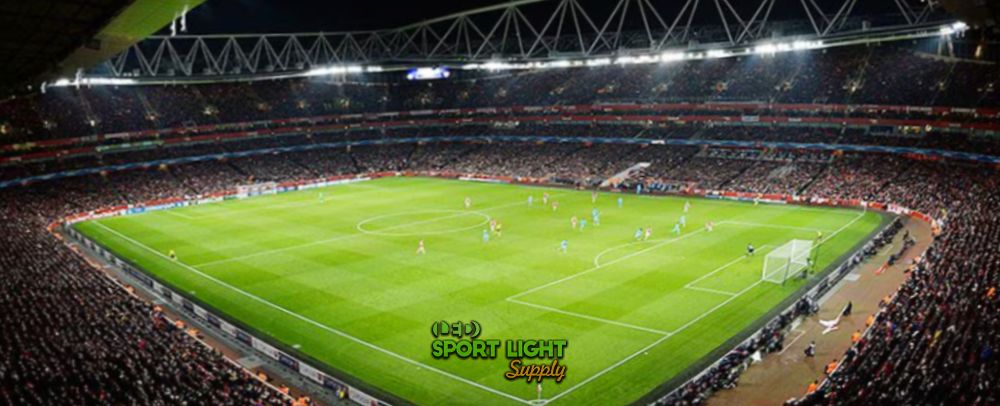
Adjusting aiming angles for sensitive zones is another key technique. Certain areas, like sections in front of cameras or premium seating, are more prone to glare. By shifting lights just a few degrees, designers can drop GR by 2–3 points, which can be the difference between squinting and comfortable viewing.
Use Dimming And Zone Control
Dimming systems or zone-specific lighting are becoming more common in modern stadiums. These systems allow operators to adjust brightness for different areas depending on the event, time of day, or broadcast requirements. For example, pre-game warm-ups may only need 50–70% of full intensity, which helps reduce glare for early-arriving fans.
Run Simulations Before Installation
Finally, running simulation software before installation is a must. Virtual 3D models let designers see exactly how each light affects every seat, player area, and camera angle. Simulations can highlight potential glare hotspots that might not be obvious in on-site measurements, allowing engineers to tweak fixture placement, aiming, or shielding before the first ball is kicked.
Common Misconceptions About GR Rating
Lower GR Isn’t Always Better
One of the biggest misunderstandings is thinking that the lower the GR, the better. While low glare is more comfortable for spectators, pushing it too far can actually backfire. If the GR is too low, the field might end up underlit, making it harder for players to see the ball clearly or for cameras to capture crisp footage. For example, a football stadium with a GR of 18 in the front rows might feel comfortable, but the playing surface could drop below the recommended 500–800 lux, which affects player performance and broadcast quality. Proper GR management is about finding the sweet spot—low enough to avoid eye strain but high enough to keep the field and action visible.
GR Affects More Than Just Spectators
Another common misconception is that GR only matters for fans. In reality, players, referees, broadcasters, and even stadium staff are all affected. A goalkeeper facing a 30-meter high, 50,000 cd floodlight might experience temporary glare, impacting reaction time. Cameras positioned along the sidelines or above the stands can also pick up hotspots if GR isn’t managed, creating uneven or washed-out images on live broadcasts. That’s why designers calculate GR from multiple observer positions, including players on the field, officials, front-row spectators, and TV cameras.
Not All Lights Contribute Equally
Some people assume that every light in a stadium contributes the same to glare, but GR depends heavily on position, angle, intensity, and observer location. A single floodlight aimed directly at the front rows can dominate the GR, even if dozens of other lights are perfectly aimed. Conversely, high-mounted, angled lights farther away may contribute very little to discomfort. Designers often tweak beam angles or add shielding to these critical fixtures to control their impact on GR, sometimes reducing it by 3–5 points in sensitive areas.
GR Is Not A Modern Invention
Finally, some believe GR is a recent concept tied to LED technology. The truth is, measuring glare has been around for decades. GR evolved from studies on visual comfort in architectural and sports lighting back in the 1980s and 1990s. Early stadiums used metal halide and halogen lights, and designers were already thinking about glare, field uniformity, and spectator comfort. Modern LED systems have made calculations more precise, but the principles of GR—balancing brightness, field visibility, and spectator comfort—have been part of stadium design for a long time.
Understanding GR Beyond the Numbers
The key takeaway is that GR is more than just a number on paper. It’s a planning tool that balances lighting intensity, placement, and human perception. Misunderstanding it can lead to overcomplicated designs, uncomfortable viewing, or underlit fields. By knowing what GR really measures and how it interacts with other stadium lighting factors, engineers can create environments that look great, play well, and broadcast beautifully.
Light And Comfort Work Hand-in-Hand
Managing glare in stadiums is a lot like conducting a giant orchestra of lights. Too bright in the wrong spot, and it strains the eyes. Too dim, and the field loses clarity, making it harder for players and cameras to capture the action. GR rating is the tool that helps keep everything in balance, ensuring fans enjoy the game, players can perform at their best, and broadcasts look sharp and professional.
If you’re planning or upgrading a stadium lighting system, understanding and managing GR is key to getting the right mix of brightness and comfort. Our team can help you design, simulate, and optimize your lighting layout so glare is minimized, visibility is maximized, and every seat in the stadium offers a great view. Reach out to us today to see how we can make your lighting project shine—literally.