
Lighting a tennis court involves more than simply purchasing fixtures and switching on the power. The overall expenses encompass a wide range of elements, from high-mast poles and robust wiring systems to sophisticated control panels and ongoing energy bills. The scale of these projects can surprise many facility managers, community leaders, or homeowners considering an installation.
A typical outdoor tennis court lighting system designed to meet recommended illumination levels—often around 300 to 500 lux for competitive play—requires multiple high-powered LED or metal halide fixtures. Costs quickly accumulate when accounting for excavation for pole bases, trenching for conduit runs, and specialized electrical panels with surge protection and timers. Even a modest single-court setup can easily exceed $40,000 to $60,000 in initial costs, excluding long-term operational and maintenance expenses.
Why Proper Lighting Matters for Tennis Courts
Enhancing Playability, Safety, and the Overall Experience
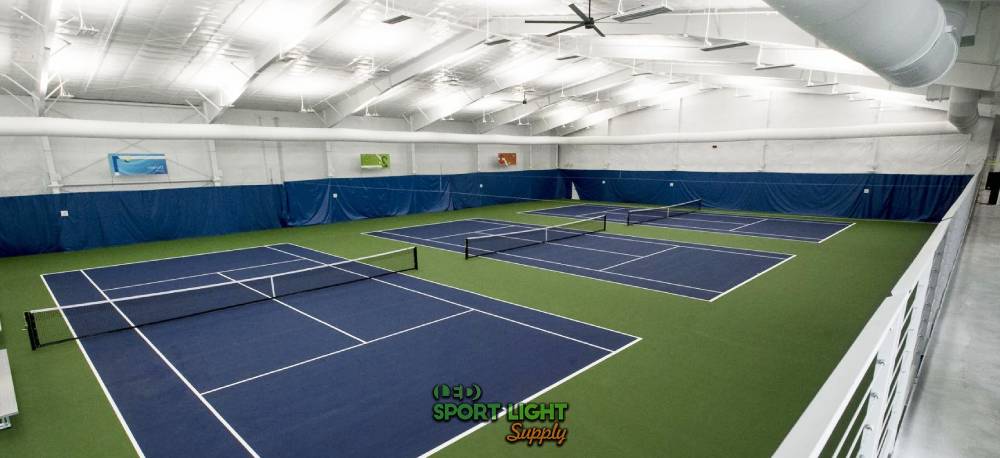
Investing in quality lighting goes far beyond simple aesthetics. A well-designed lighting system directly affects every aspect of the playing experience, from the comfort and safety of athletes to the enjoyment of spectators and the reputation of the facility itself. Without adequate illumination, even the best-maintained tennis courts lose much of their value because poor lighting conditions can discourage use and potentially lead to accidents or disputes over line calls.
Proper lighting ensures players can clearly track the speed and spin of the ball across the entire court surface. Shadows, dark patches, or glare may cause momentary confusion that disrupts the rhythm of play, increasing the chance of mishits or awkward footwork that leads to injury. With consistent, evenly distributed light, players react more naturally and confidently, sustaining rallies and maintaining focus throughout matches or practice sessions.
For clubs, schools, and public parks, extending usable hours into the evening is one of the strongest reasons to install lighting. Well-illuminated courts allow facilities to host leagues, tournaments, and community events after sunset, dramatically expanding scheduling options. This often translates into higher participation rates and increased revenue streams through membership fees, rental income, or concessions. Even homeowners with private courts find that lighting transforms how frequently and how long they use their installations, turning what might have been a daylight-only feature into an amenity that supports nighttime gatherings and workouts.
The Value of Modern LED Systems
LED technology has quickly become the preferred choice for most modern tennis facilities due to its unmatched combination of performance and long-term value. LEDs provide exceptional energy efficiency, often consuming 50 to 70 percent less electricity than older metal halide systems while delivering superior brightness and color rendering. Improved color quality means balls appear sharper and lines stand out more clearly against the surface, enhancing playability and reducing eye strain.
Their long lifespan—often exceeding 50,000 hours of use—means fewer lamp replacements, which lowers maintenance labor costs and minimizes disruptions to facility schedules. LED systems also support advanced controls such as dimming, motion sensors, or programmable schedules. These features allow operators to tailor light output to actual usage needs, further driving down energy costs and prolonging equipment life.
However, transitioning to LED lighting still requires a substantial financial commitment. High-quality fixtures come with a premium price, and supporting systems—including poles designed for heavier fixtures, upgraded wiring to maintain consistent voltage, and sophisticated control panels—add to the investment. For many organizations, especially those accountable to taxpayers or boards, securing approval means presenting a strong case that highlights the immediate benefits for players and the long-term savings from reduced utility bills and lower maintenance demands.
When weighed against the advantages—extended hours of safe play, improved comfort for athletes, reduced operational expenses, and the opportunity to strengthen a facility’s standing in the community—the long-term value becomes clear. Facilities that invest wisely in high-performance lighting protect their players, maximize their court availability each day, and often become vibrant centers for local tennis activity long after the sun has set.
The Search for Funding: Can Grants Help?
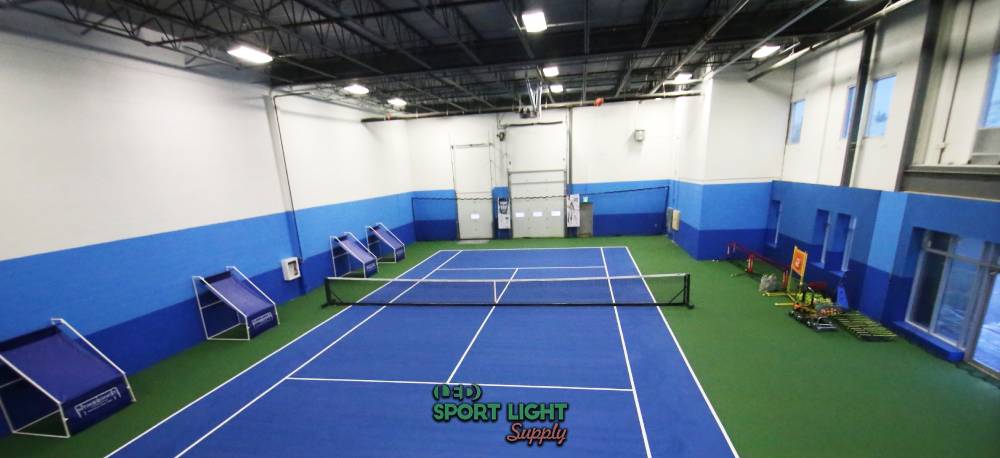
Many tennis court lighting projects look for external financial support to help absorb these sizable costs. Grants, rebates, and similar funding opportunities can play a valuable role in easing the strain on municipal budgets, private club finances, or community association resources. Without these kinds of offsets, many projects would either be delayed for years or scaled back in ways that limit their usefulness. Yet while the potential benefits are clear, the path to securing such assistance often requires careful research and persistence.
One of the main challenges lies in identifying programs that specifically support recreational lighting improvements. Unlike certain infrastructure projects that have dedicated funding streams, tennis court lighting typically falls under broader categories. The availability of grants often hinges on local and regional priorities, the type of organization applying—whether it is a city parks department, a nonprofit youth sports league, or a private membership club—and how well the project aligns with the overall objectives of the funding body.
Few grant programs are structured solely around tennis or even outdoor lighting. However, many initiatives exist that support upgrades to recreational facilities more generally, promote energy efficiency, or advance community wellness. Lighting projects can often qualify under these umbrellas, especially when proposals emphasize benefits like extending play hours, reducing energy use through LED technology, or creating safer environments that encourage outdoor activity. Some grant programs even favor applications that combine multiple community enhancements, such as pairing lighting improvements with court resurfacing or accessibility upgrades, to maximize the impact of their investment.
Because funding landscapes vary by state, province, or country, organizations often have to explore a range of possibilities, from municipal capital improvement grants to state-level recreation or conservation funds and national programs aimed at reducing carbon footprints. While this process takes time and effort, the payoff can be substantial—transforming an otherwise costly undertaking into a project that becomes financially achievable and widely supported.
Types of Grants and Financial Assistance
Summary of Typical Grant and Rebate Figures
| Type of Funding | Typical Grant or Rebate Amount | Notes |
|---|---|---|
| Government & Municipal Grants | $25,000 to $500,000 | Often from programs like the Land and Water Conservation Fund; require matching funds and are competitive. |
| Energy Efficiency & Sustainability Grants | 30% to 70% of project costs or $100,000 to $250,000 |
May also pay $0.15 to $0.25 per kWh saved annually; rewards LED upgrades and carbon reduction. |
| Utility Company Rebates | $0.05 to $0.20 per watt reduced | Can total $10,000 to $30,000 for multi-court upgrades; typically require pre-approval and post audits. |
| Private & Community Foundations | $2,500 to $25,000 | Smaller awards but less competitive; often support projects that promote youth sports or community health. |
Government and Municipal Grants
Local, state, and federal governments often set aside substantial resources to support public recreation projects, including tennis court enhancements and lighting installations. Parks and recreation departments typically administer grant programs that fund facility improvements such as court resurfacing, new construction, and lighting upgrades that make spaces usable after dark. These programs frequently aim to expand access to sports for underserved communities or to encourage broader outdoor activity, aligning closely with public health and community development goals.
For instance, in the United States, state-level outdoor recreation grants funded by the Land and Water Conservation Fund (LWCF) can award anywhere from $50,000 to over $500,000 for local park projects, depending on the scope and regional funding priorities. While these grants are highly competitive and often require matching funds, proposals that integrate lighting to extend safe usage hours often score well because they maximize community access and facility utilization. Similarly, municipal capital improvement grants may provide $25,000 to $100,000 to support upgrades that keep local parks modern and welcoming, particularly when coupled with additional safety or accessibility features.
Energy Efficiency and Sustainability Grants
Because lighting upgrades typically replace outdated systems with modern, more efficient technology, they often qualify for grants or low-interest loans aimed specifically at reducing energy consumption and greenhouse gas emissions. State energy offices, national clean energy agencies, and regional conservation authorities all administer programs that target long-term reductions in electricity demand. These programs frequently cover a substantial portion of the cost of installing high-efficiency LED fixtures, advanced lighting controls, or even supplemental solar systems that help offset grid use.
Typical sustainability grants might fund between 30% to 70% of project costs, depending on projected energy savings and documented carbon reductions. Some state energy improvement funds cap awards at amounts like $100,000 to $250,000 per facility, designed to incentivize large-scale retrofits. In Europe and Canada, similar climate-driven infrastructure grants sometimes pay a fixed rate, such as $0.15 to $0.25 per kWh saved annually, which can translate into tens of thousands of dollars for projects that significantly cut consumption. Combining lighting upgrades with broader sustainability initiatives—such as installing solar carports that feed excess power into tennis court lights—often strengthens an application and can open up additional funding streams.
Utility Company Rebates and Incentive Programs
Beyond traditional government grants, electric utility companies across many regions offer rebates that serve as a powerful form of financial assistance. Utilities seek to lower peak demand and overall consumption, so they encourage customers—including tennis facilities, school districts, and private clubs—to adopt high-efficiency lighting solutions. These programs frequently pay a fixed amount per watt reduced from the existing baseline, or reimburse a percentage of total project costs.
Typical utility rebates in the United States and Canada might provide anywhere from $0.05 to $0.20 per watt reduced. For a tennis facility that replaces outdated 1500-watt metal halide fixtures with 600-watt LEDs across multiple courts, these rebates can add up quickly—reducing upfront costs by $10,000 to $30,000 depending on the number of poles and fixtures involved. Some utilities also offer performance-based payments that reimburse projects after post-installation energy audits verify actual savings. While not structured as grants, these incentives directly lower the financial barrier to modernizing lighting and can make or break project feasibility for many facilities.
It’s common for utility programs to require pre-approval, energy audits, and post-completion inspections to ensure that installations meet strict efficiency and design criteria. This can add a bit of complexity, but the resulting savings are often well worth the added paperwork and coordination.
Private and Community Foundations
Beyond government and utility programs, many communities benefit from local foundations, health organizations, or service clubs that sponsor small-to-medium scale grant initiatives aimed at improving recreational infrastructure. Tennis clubs, municipal parks departments, and neighborhood associations can sometimes tap into these funding sources by demonstrating how lighting improvements promote active lifestyles, support youth programming, or contribute to broader community wellness.
Grants from local or regional foundations typically range from $2,500 to $25,000, though some well-endowed community foundations may fund even larger capital improvement proposals when projects align closely with their mission. Service organizations such as Rotary or Lions Clubs occasionally underwrite a portion of lighting costs if the courts will host community events, junior clinics, or tournaments that foster civic engagement.
While these grants tend to be smaller than state or federal awards, they are often less competitive and can be combined with other sources of funding. Building partnerships with local nonprofits, schools, or public health agencies can make applications more compelling by showing how lighting extends the reach of existing programs or opens new avenues for collaboration. This multi-use justification frequently resonates with review boards that prioritize broad community impact over single-use facility enhancements.
Crafting a Strong Grant Application
Linking Lighting to Broader Community Benefits
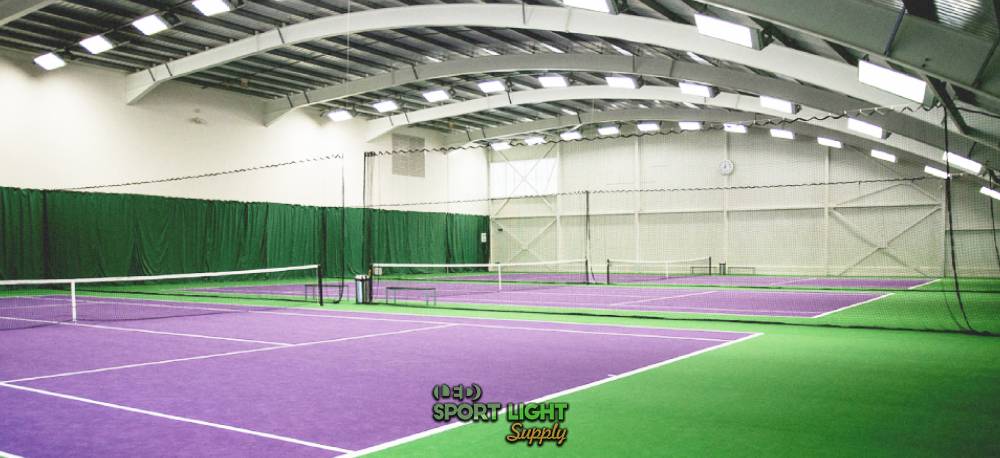
Successful grant applications rarely focus solely on the lighting upgrade as an isolated improvement. Instead, they place the project within a wider context of community development and public welfare. Grant reviewers often look more favorably on proposals that demonstrate how enhanced lighting can increase accessibility to sports facilities, extend safe recreation hours into the evening, and create new opportunities for hosting local events, tournaments, or youth programs.
Framing a tennis court lighting project as part of a broader strategy to promote active lifestyles, reduce sedentary behavior, and provide structured programming for youth after school or work hours helps illustrate a value that extends well beyond the immediate benefit to players. Including community testimonials, usage statistics, or partnerships with schools and local organizations can reinforce this narrative. Data on how extended hours improve participation rates or positively impact community health can be particularly persuasive. For example, if lighting improvements enable a community tennis league to grow participation by 30%, this outcome resonates strongly with funders seeking measurable social impact.
Additionally, proposals that link lighting upgrades to equity goals—such as providing underserved neighborhoods with safe, well-lit recreational spaces—tend to stand out. Emphasizing inclusivity and how lighting supports programming for diverse age groups, abilities, or income levels highlights the multifaceted benefits of the project and aligns it with many grant programs’ missions.
Emphasizing Energy and Environmental Impacts
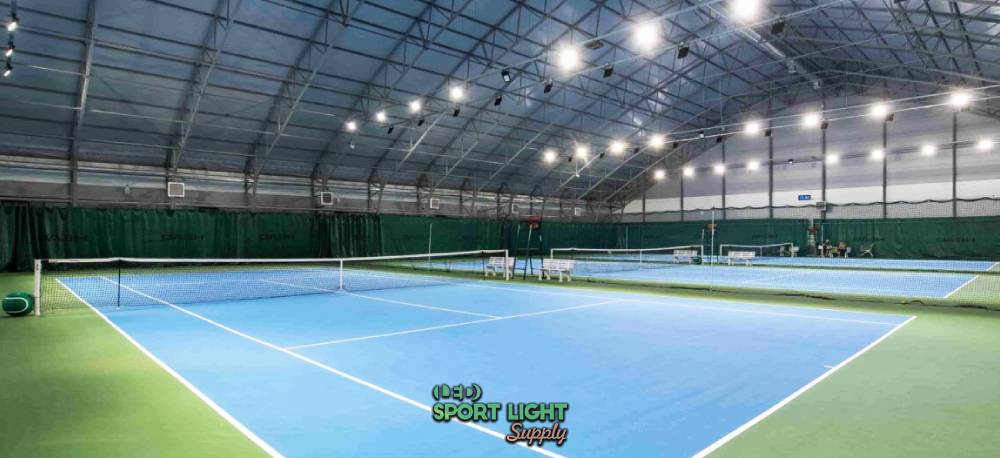
Many funding agencies prioritize projects that contribute to environmental sustainability. Including detailed, quantifiable information on the energy savings and reduced carbon footprint associated with modern LED lighting systems can significantly elevate a grant application’s strength. Providing projections of how much electricity will be saved annually, along with corresponding reductions in greenhouse gas emissions, demonstrates responsible stewardship of resources and aligns the project with broader climate goals.
Calculating expected maintenance cost reductions due to longer-lasting fixtures further illustrates long-term financial prudence. These figures not only show immediate budgetary relief but also emphasize the durability and efficiency of the proposed technology. When possible, including comparisons to existing outdated systems can make these savings clearer.
Some proposals take this a step further by integrating lighting upgrades with other renewable energy initiatives such as installing solar panels, battery storage, or smart energy management systems. Even if the grant itself does not cover renewable energy components, demonstrating a commitment to comprehensive environmental solutions strengthens the overall narrative. This approach may also open doors to additional funding sources focused on clean energy or sustainability, increasing the total pool of potential support.
Providing Clear Budgets and Timelines
Clarity and detail in financial planning are foundational to any successful grant application. A well-structured budget that itemizes all project costs—including lighting fixtures, pole installation, electrical work, trenching, controls, and permits—helps reviewers clearly understand how funds will be allocated. Obtaining and including quotes from reputable contractors or vendors lends credibility and shows that the applicant has done thorough preparation.
Equally important is presenting a realistic timeline for the project, from funding approval through to installation and final inspections. Granting bodies often prefer projects with clearly defined milestones and completion dates, which suggest organizational readiness and reduce perceived risks.
Many grant programs require applicants to provide matching funds, either as cash contributions or in-kind support such as volunteer labor, donated materials, or professional services. Demonstrating the ability to meet or exceed these requirements reassures funders that the project has broad local backing and is not solely dependent on external funding. Highlighting existing partnerships, community fundraising efforts, or prior successful projects can further strengthen this case and increase confidence in the applicant’s capacity to deliver.
Exploring Additional Strategies to Manage Costs
Phased Installations
When full funding is not immediately available, many tennis facilities opt for a phased approach to lighting upgrades. This strategy involves prioritizing a subset of courts for immediate improvement, such as outfitting two or three courts with modern LED lighting, while planning additional phases for future budget cycles or subsequent grant opportunities. Though this approach may slightly increase overall project costs due to repeated mobilization of contractors and potential inflation in material prices, it allows facilities to begin reaping the benefits of improved lighting without waiting for comprehensive funding.
Phased installations also provide an opportunity to demonstrate early successes and community impact, which can strengthen future grant applications. For example, data collected from the first phase regarding energy savings, user satisfaction, and increased evening playtime can serve as compelling evidence when applying for additional funding to complete the project. Moreover, spreading out capital expenditures over multiple fiscal years may be more palatable to municipal finance departments or private boards, easing approval processes and reducing strain on annual budgets.
Community Fundraising and Sponsorships
Local fundraising campaigns remain a powerful tool for supplementing grant money and closing budget gaps. Organizing events such as charity tennis tournaments, crowdfunding drives, or donation matching challenges can engage community members directly and build a sense of ownership around the project. Successful fundraising not only generates much-needed cash but also signals strong grassroots support to grant reviewers and stakeholders.
Another avenue to explore is securing sponsorship agreements with local businesses or corporations. Companies often seek opportunities to enhance their community presence and goodwill through sponsorships. Offering naming rights for courts, lighting systems, or even entire tennis complexes can provide sponsors with visible recognition and marketing benefits in exchange for financial support. These arrangements may also open doors for in-kind donations of materials, equipment, or services, further stretching project dollars.
Combining sponsorships and fundraising efforts with formal grant applications demonstrates a broad base of support and financial resourcefulness. This diversified funding approach reassures granting bodies that the project has widespread enthusiasm and is less likely to stall due to financial shortfalls.
Leveraging Volunteer and In-Kind Contributions
Many grant programs recognize the value of non-cash contributions, allowing organizations to count volunteer labor, donated materials, or professional services toward required matching fund commitments. For example, if a local electrical contractor volunteers their time to assist with pole installation, or a supplier donates wiring or fixtures at a reduced cost, the estimated market value of these contributions can significantly reduce the amount of cash the organization must raise.
Engaging volunteers also fosters community involvement and can speed up project timelines. Organizing workdays where club members or neighborhood groups assist with tasks like trenching, painting poles, or general site preparation reduces labor costs and deepens the community’s connection to the facility. When documenting these in-kind contributions for grant applications, it is important to provide clear, verifiable estimates of hours worked and materials donated, along with supporting letters or statements from service providers.
Overall, leveraging volunteer and in-kind support not only eases financial pressures but also enhances project credibility by demonstrating strong local engagement and commitment.
Conclusion
Finding grants for tennis court lighting projects is absolutely possible, though it often requires creativity and persistence. Most funding sources are not limited to tennis specifically but instead support broader goals such as community health, energy efficiency, or recreational accessibility. By framing lighting as a component of larger initiatives—whether promoting outdoor activity, enhancing youth programming, or reducing environmental impact—organizations can open doors to a wide range of funding opportunities.
Combining multiple strategies such as pairing government grants with utility rebates, exploring private foundation support, and incorporating local fundraising efforts creates a more resilient financial plan. Preparing compelling applications that clearly link lighting to community benefits, provide meticulous budgets, and demonstrate readiness can significantly increase the likelihood of securing the resources needed. With thoughtful planning and a willingness to explore diverse funding avenues, your tennis court lighting ambitions can move from concept to reality, ensuring that courts remain vibrant gathering places well into the evening hours for years to come.