
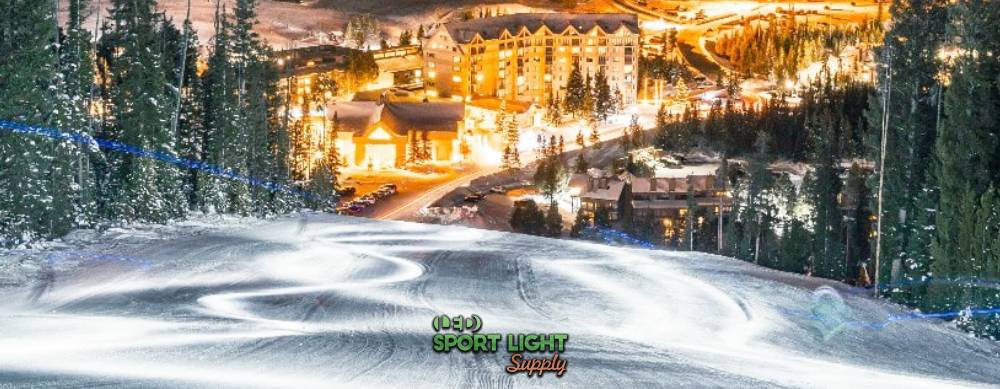
The ski slopes represent the heart of any ski resort, serving as the primary attraction for guests who travel long distances to experience winter sports under pristine conditions. Lighting here is meticulously designed to support both evening and night skiing, extending the operational hours of the resort well beyond sunset. This not only enhances the guest experience by allowing more time on the slopes but also increases revenue opportunities for the resort.
Robust lighting systems are chosen to deliver uniform coverage across varying inclines, moguls, and trail contours, reducing the risk of hidden shadows or overly bright hot spots that can distort a skier’s perception of the terrain. The light fixtures are typically mounted on tall poles or masts strategically positioned along the runs, casting long, even beams that minimize shadowing and illuminate the snow with a consistent glow. Careful aiming and specialized optics ensure the light follows the natural flow of the slope, adapting to sharp turns and elevation changes so that every corner is safely navigable.
Beyond functional illumination, ski resorts often rely on RGB decorative lighting to craft a vibrant and inviting atmosphere. This approach transforms otherwise quiet nighttime scenes into dynamic visual spectacles that encourage guests to linger outdoors. Color-changing LED fixtures are wrapped around tree trunks and suspended in branches, tracing outlines along building facades and highlighting plazas where people gather. Some resorts integrate lighting shows that synchronize with seasonal music, creating immersive experiences that captivate visitors.
Skating rinks and open courtyards become centers of lively activity under twinkling or softly shifting lights. Even snow sculptures and ice carvings can be accentuated with cleverly positioned RGB uplights, making them glow from within and adding a layer of artistry to the resort’s landscape. These installations not only enrich the guest experience but also generate social media buzz, drawing attention to the resort’s unique visual charm.
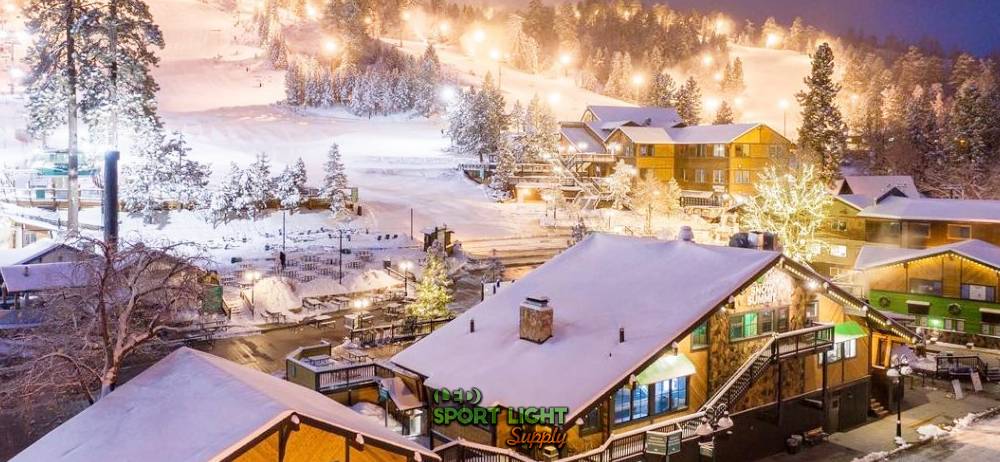
Parking lots and access roads represent essential support areas within the resort ecosystem. Proper lighting here ensures that guests can safely navigate to and from their vehicles, reducing the risk of slips, trips, or collisions on icy or snow-packed surfaces. Lighting systems in these zones are engineered to endure heavy accumulations of snow, freezing temperatures, and shifting ground due to frost heave. Fixtures are often equipped with wide beam optics that spread light evenly over large expanses, minimizing dark corners and making it easier for pedestrians and drivers to spot one another. Some modern systems also include adaptive sensors that dim lights during periods of inactivity to conserve energy, then brighten instantly when movement is detected. This thoughtful approach balances visibility with operational costs, all while maintaining a secure environment for visitors arriving late at night or departing after evening skiing sessions.
Many ski resorts feature extensive networks of walking trails and connecting pathways that guide guests between lodges, dining venues, rental shops, and entertainment areas. These paths often wind through forests or run parallel to the ski slopes, providing beautiful scenic walks. Adequate lighting along these routes helps prevent accidents by illuminating potential obstacles like icy patches, uneven ground, or stray gear left outside. Fixtures for these applications are typically shorter and more discreet than those used on ski slopes, blending aesthetically with the natural environment while still delivering reliable visibility. Warm color temperatures are frequently employed to create a cozy, welcoming feel that encourages leisurely evening strolls through the snow-covered landscape.
Outside the ski runs, resort lighting focuses on creating inviting spaces around lodges, restaurants, and outdoor terraces. Warm, low-intensity lights are often used to highlight architectural details, such as timber beams or stone facades, adding a rustic charm that enhances the mountain lodge ambiance. Pathway bollards and string lights can define patio edges and dining areas, making these spots comfortable places for guests to gather, sip hot beverages, and enjoy views of illuminated slopes. Fire pits surrounded by subtle ground lighting become natural social hubs, drawing people together after hours on the slopes. This thoughtful design extends the resort’s hospitality experience into the nighttime, allowing guests to continue socializing and relaxing under a beautifully lit alpine sky.
Effective signage illumination is another area that deserves attention. Clear, well-lit signs help visitors navigate the often sprawling layout of a ski resort, directing them to ticket counters, equipment rental areas, first aid stations, and various lifts. Fixtures are selected not only for their brightness but also for their ability to resist snow accumulation that might obscure lettering. Some resorts even use backlit or internally illuminated signs that remain highly visible during heavy snowfall, ensuring that essential information can always be read at a glance. By guiding guests seamlessly from parking areas to ticket lines and onto the lifts, this type of lighting reduces confusion and enhances the overall sense of ease within the resort.
Security lighting forms an underlying layer that supports the safety of the entire resort. Strategically placed floodlights or motion-activated fixtures deter unauthorized access to restricted areas such as maintenance facilities, snowcat garages, and private staff quarters. In addition, emergency lighting systems are installed to provide reliable illumination in case of power failures. These systems often include battery-backed pathway markers and overhead lights that activate automatically, ensuring guests can safely evacuate buildings or navigate to assembly points even if the primary power grid goes down. Such provisions underscore a resort’s commitment to maintaining a secure, well-managed environment across all operational scenarios.
| Area / Usage | Recommended Lux Levels | Notes |
|---|---|---|
| Learning / Beginner Zones near base | 180 to 220 lux | Gentle areas for first-time skiers, prioritizes comfort |
| General Recreational Mid-Slope Areas | 250 to 300 lux | Balances visibility with ambiance for moderate speeds |
| Busy Intersections or Merging Points | 320 lux | Extra illumination where trails converge to improve reaction time |
| Advanced / Technical Recreational Runs | 400 to 500 lux | Steeper or narrow segments where sharper vision is needed |
| Racing Courses (Slalom, Giant Slalom) | 500 to 550 lux | General course illumination for competitive precision |
| Racing Gates / Sharp Turns | 600 to 650 lux | Extra bright at critical points for athlete control |
| Extreme Downhill Segments | 700 lux or higher | Very steep pitches with maximum speed, requires peak visibility |
| Start Zones (lift unload or slope start) | +50 lux above slope avg | Helps skiers prepare and adjust gear confidently |
| Runouts / Slow Zones at Bottom | 200 to 350 lux | Softens intensity as skiers slow down, maintains safe visibility |
| Uniformity Ratio Target | 0.6 to 0.8 | Dim areas should not drop below 40%–60% of brightest spots |
The lighting design on ski slopes revolves around achieving carefully calculated lux levels, which quantify the amount of visible light reaching a surface, expressed in lumens per square meter. These values are central to ensuring skiers can clearly read the contours ahead, respond to changes in elevation or snow texture, and maintain directional control during nighttime runs. Because ski resorts host a variety of slope types—from gentle beginner zones to technical race tracks—lux requirements differ not only by slope classification but also by specific areas within each run, where skier speed, maneuver intensity, and traffic density vary significantly.
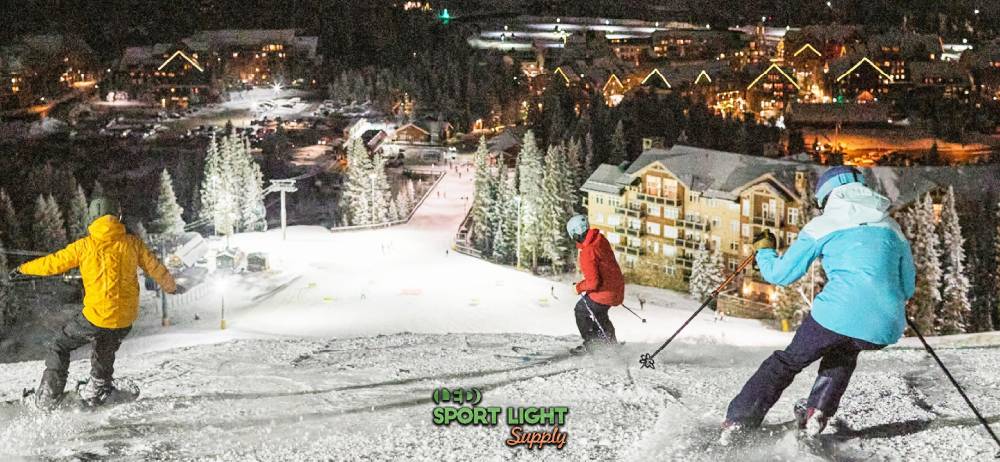
For broad recreational slopes where families and casual enthusiasts spend most of their time, designers generally target average lux levels between 200 and 300 lux. These figures offer comfortable visibility for moderate-speed skiing and snowboarding, helping guests discern small dips, moguls, or icy patches without overpowering the nighttime mountain ambiance. Entry or learning areas near the base, where speeds are slower and instructors work with novices, might only require 180 to 220 lux. This is sufficient to highlight basic terrain contours and ensure that beginners have a reassuringly well-lit space as they practice stopping and turning.
Farther up the same slope, where guests begin to pick up speed, illumination often rises to 250 to 300 lux. This slightly higher intensity sharpens contrast on surface irregularities, enhancing depth perception so skiers can anticipate gentle rolls or slight ruts in the snowpack. Near busy intersections or merge zones—where multiple trails converge—lighting is frequently boosted closer to 320 lux to provide extra visual clarity, helping skiers safely navigate mixed traffic and avoid collisions with merging groups.
As terrain transitions from broad cruising areas to steeper, more technically demanding runs, lighting specifications naturally become more rigorous. According to widely adopted guidelines such as EN 12193 for sports lighting and principles followed by the International Ski Federation (FIS), advanced recreational slopes typically maintain average illuminance levels in the range of 400 to 500 lux. This supports confident skiers tackling sharper turns and higher-speed descents, providing the contrast needed to identify subtle variations in snow texture or small undulations that could influence control.
Within these advanced slopes, designers often tailor illumination to match the demands of different segments. Long, open sections intended for smooth carving might be sustained at around 400 to 420 lux, balancing energy considerations with solid visibility. By contrast, narrower chicanes, steep drop-ins, or densely treed corridors may be illuminated more brightly, reaching up to 480 lux or slightly above. This incremental increase enhances a skier’s ability to anticipate obstacles or quickly read the terrain as it changes underfoot.
On officially sanctioned racing courses—such as slalom or giant slalom tracks—the lighting becomes even more exacting. Standards here often call for a consistent baseline of 500 to 550 lux across the width of the run, ensuring athletes have the detailed visual feedback required to execute precise edge control. In especially crucial areas like tightly spaced gates, abrupt switchbacks, or near finish lines, lighting levels may climb to 600 to 650 lux. For the fastest downhill or Super-G events, organizers sometimes push specific high-risk zones to 700 lux or beyond, creating an environment where every contour, rut, or snow variation is unmistakably visible even at racing speeds. This layered approach ensures that both safety and performance visibility are robustly supported across all segments of a technical or competitive ski run.
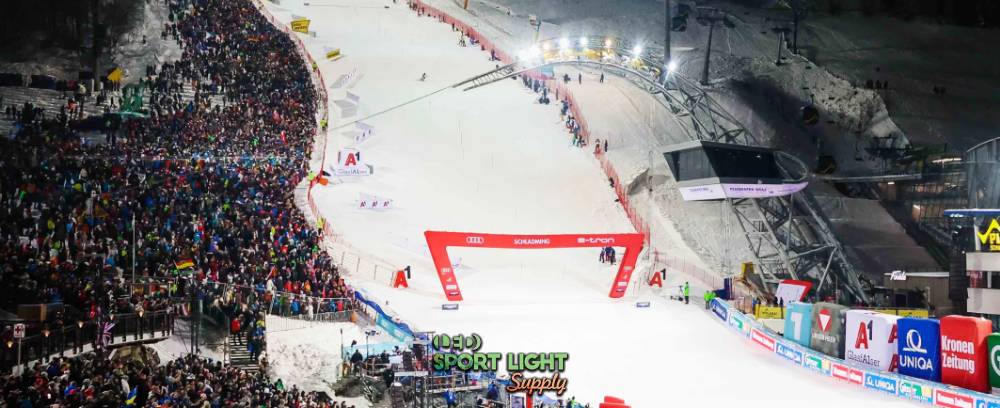
Lighting designers also pay close attention to slope start zones and runout or braking areas. At starting platforms or lift unload ramps, lighting is often slightly higher than the average for that slope classification—typically adding 50 lux above the adjacent downhill section. For example, on a recreational run averaging 280 lux, the immediate start area might be maintained at 330 lux. This extra brightness helps skiers compose themselves, adjust gear, and clearly see the first few meters of descent, which builds confidence before they accelerate.
Conversely, at the bottom of slopes where skiers decelerate and come to a stop, designers might keep lighting around 300 to 350 lux even on steeper runs that otherwise average 500 lux higher up. This slight reduction reduces glare from reflected snow at slower speeds while still offering ample illumination to spot other skiers, navigate exit lanes, and approach lift queues safely. In learning areas or magic carpet zones, these gentle exit areas might hover around 200 to 250 lux to sustain a calm, non-distracting environment for novices regrouping after each short glide.
Throughout all these applications, maintaining a uniform distribution of light is fundamental. The industry often aims for a uniformity ratio in the range of 0.6 to 0.8, which means the dimmest illuminated spots should never drop below roughly half the intensity of the brightest zones. This approach minimizes abrupt visual transitions that could hide small bumps or changes in snow density, ensuring skiers can read the terrain consistently as they move across the slope. Achieving these precise lux levels and ratios demands careful fixture selection, mounting at strategic heights, and meticulous aiming, sometimes supplemented by additional lighting around turns, tree clusters, or elevation breaks where shadows naturally form. By adhering to such nuanced lux planning, resorts create slopes that remain visually reliable, welcoming, and exhilarating across all hours of evening operation.
Color temperature profoundly influences how skiers perceive the slope environment, particularly when it comes to reading subtle shifts in snow texture, identifying elevation changes, and maintaining accurate spatial orientation. Measured in Kelvin (K), this attribute defines whether a light source appears warm (yellowish), neutral, or cool (bluish), each evoking a distinct effect on human vision and mood. In outdoor winter sports like skiing, where the terrain is dominated by reflective snow surfaces and ambient lighting often shifts between dull overcast and crisp moonlit conditions, selecting the appropriate color temperature becomes a critical aspect of delivering a safe, visually comfortable experience.
Most ski resorts opt for cooler white light sources, typically within the range of 4000K to 6000K. This spectrum closely aligns with the color of daylight on a clear afternoon, promoting sharper visual contrast between snow and any surface irregularities like moguls, ruts, or packed ice. The cool tones accentuate shadows in the snow, making dips and ridges stand out more distinctly. Under overcast skies—which are common in mountain environments—the use of 5000K to 6000K fixtures compensates for the lack of natural sunlight, helping skiers maintain depth perception even during flat light conditions when everything can otherwise blend into a single gray mass.
Lighting designers often fine-tune color temperatures based on specific zones within the resort. On the main ski runs, especially high-speed or technical courses, lights are usually set closer to 5500K to maximize the visibility of surface details and provide a crisp, daylight-like effect. This allows athletes or experienced recreational skiers to read the terrain quickly and respond to subtle cues at speed. Conversely, at base areas, outdoor terraces, or pathways connecting lodges, slightly warmer temperatures—around 3500K to 4000K—might be employed. These create a cozier, more inviting atmosphere while still providing enough contrast to navigate snow-covered walkways safely.
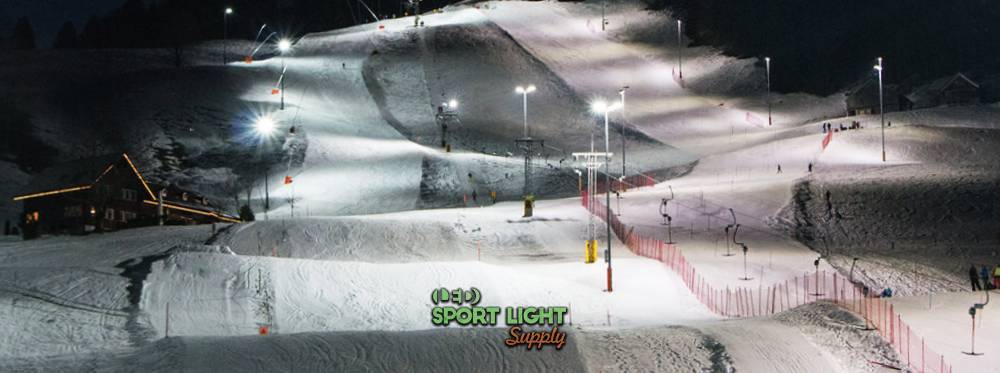
Some resorts adopt a hybrid approach, combining fixtures of different color temperatures to balance technical performance with aesthetic ambiance. For example, a slope might primarily be lit with 5600K LEDs for optimal contrast but interspersed with occasional 4000K accents along the periphery to soften the environment visually. This technique prevents the scene from appearing overly stark or clinical, reducing visual fatigue during prolonged night skiing sessions. It also adds layers of depth, subtly guiding skiers along preferred paths while maintaining high levels of spatial awareness.
Color temperature also plays an integral role in how well the slopes appear on cameras. For resorts hosting competitive events, aligning with broadcast-friendly temperatures—generally around 5000K to 5700K—ensures the snow retains a natural white balance under television lighting, avoiding the blue-tinted or overly warm casts that can distort perception on screen. This consistency enhances visibility for remote audiences and supports accurate judging in timed sports where photo-finish equipment relies on true-to-life illumination.
Beyond the technical aspects, maintaining a consistent color temperature across large slope areas minimizes abrupt visual transitions that could momentarily confuse skiers traveling at speed. If a skier moves from a zone lit at 6000K into an area abruptly shifting to 3500K, their eyes must quickly adapt to the color shift, which can create a fleeting sense of disorientation. Gradual transitions, or clear zoning with transitional lighting, help preserve a skier’s focus. Meanwhile, slightly warmer accent lights in resting zones or outdoor lounges create a gentle psychological cue to slow down, relax, and enjoy the surroundings, making these spaces feel welcoming against the colder tones of the main runs.
Uniformity stands at the heart of effective ski slope lighting design, shaping not only how well the terrain is seen but also how safely and confidently skiers can maneuver across varied surfaces. Uniformity refers to the evenness of light spread across the snow, quantified by the ratio between the minimum and average illuminance levels measured on the slope. Maintaining strong uniformity ensures that there are no abrupt visual surprises—no dark patches hiding a sudden dip or overly bright spots that wash out subtle surface features. On ski slopes, where high-speed descents demand continuous situational awareness, achieving balanced light distribution becomes a cornerstone of reliable lighting design.
Most ski slope lighting projects aim for a uniformity ratio in the range of 0.4 to 0.6. This means that the least illuminated areas on the slope should still receive at least 40% to 60% of the light present in the average illuminated sections. Such ratios are widely supported by guidelines like EN 12193, which governs sports facility lighting across Europe. This target balances the need for consistent terrain visibility with the practical realities of fixture placement, pole heights, and total wattage constraints. Achieving a ratio closer to 0.6 often reflects premium design—delivering an exceptionally smooth visual field that minimizes eye strain even over long night skiing sessions.
Poorly distributed lighting can lead to disorienting contrasts that challenge a skier’s ability to judge depth and distance. A skier moving quickly from a well-lit stretch into a dim pocket might miss subtle surface depressions or icy ridges, increasing the risk of losing balance. Similarly, skiing from a darker area into a hotspot that is too bright can momentarily overwhelm the eye’s adaptation, obscuring details right when rapid corrections are needed. Consistent light levels ensure that contours, shadows, and texture differences on the snow remain visible regardless of where on the slope a skier travels, allowing for smooth, intuitive navigation that builds confidence run after run.
Lighting engineers use a variety of strategies to achieve these uniformity goals. Precision optics are critical—high-quality LED fixtures with carefully designed reflectors and lenses help spread light evenly over wide sections without generating harsh beams or shadowed fringes. The height and spacing of poles are meticulously calculated to ensure overlapping light patterns that eliminate gaps. In some complex slope layouts, designers incorporate secondary fill lights aimed at trouble spots like sharp turns, tree clusters, or grade changes where primary fixtures might otherwise cast long shadows. Modern control systems also allow fine-tuning of light levels across different circuits, raising or lowering output in specific areas to further smooth out the overall luminance.
The concept of uniform lighting isn’t limited to the ski runs themselves. Walkways leading to lifts, gathering plazas, and even the edges of parking lots benefit from evenly spread illumination. On snowy surfaces, even small variances in lighting can produce exaggerated contrasts due to the high reflectivity of snow. Uniform lighting around outdoor dining terraces or skating rinks also contributes to a seamless transition from activity areas back onto the slopes, reducing the likelihood of slips or hesitations caused by unexpected dark zones. By extending uniformity principles beyond the downhill runs, resorts create a holistic lighting environment that feels naturally integrated and consistently safe.
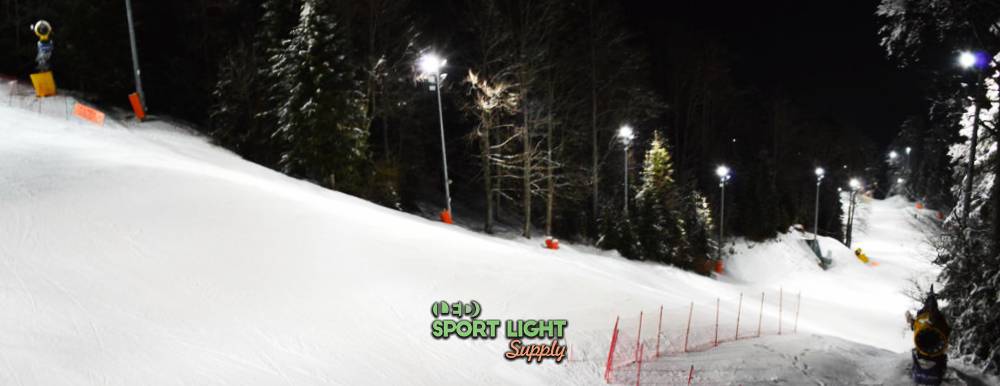
Glare is a visual phenomenon caused when excessive brightness overwhelms the eye’s ability to comfortably adapt, resulting in discomfort, reduced contrast perception, and even temporary visual impairment. On ski slopes, glare is particularly challenging due to the highly reflective nature of snow, ice, and packed powder. When intense light sources are poorly controlled or improperly aimed, their beams can reflect off these surfaces or scatter in the atmosphere, producing harsh brightness that diminishes a skier’s ability to distinguish terrain details. This effect can lead to increased eye strain, impaired depth perception, and reduced reaction time, all of which are especially dangerous at high speeds or on technical courses.
Glare can be broadly categorized into two types: disability glare and discomfort glare. Disability glare occurs when bright light scatters within the eye, reducing the clarity of vision and creating a veil-like effect over the scene. This is common when skiers look towards a direct light source or its reflection on snow. Discomfort glare, on the other hand, does not necessarily reduce visibility but causes visual discomfort, distraction, and fatigue over time. Both types compromise safety on the slopes by hampering a skier’s ability to detect subtle variations in terrain or obstacles.
To mitigate glare effectively, modern ski slope lighting fixtures incorporate specialized features such as louvers, shields, and visors that precisely control light distribution. These elements restrict stray light from spilling outside the intended illuminated area, focusing illumination downward onto the slope and preventing upward or sideways scatter that contributes to skyglow or glare in skiers’ eyes. High-quality optics inside the fixtures work in tandem with these physical shields to shape the beam, ensuring it reaches the snow surface evenly without producing unwanted bright spots. This design strategy is fundamental in delivering high-intensity lighting that enhances visibility without causing intrusive glare.
The physical positioning of lighting poles and the precise angling of fixtures are key factors in glare reduction. Mounting lights at appropriate heights allows beams to cover wide areas at a low angle relative to the snow, minimizing the chance that direct light will hit a skier’s eyes. Similarly, carefully calculated beam angles ensure that light is directed onto the terrain rather than toward lifts, spectators, or adjacent properties. By avoiding direct line-of-sight between the light source and observers, designers limit exposure to glare. These considerations also help reduce light pollution and preserve the natural nighttime environment around the resort.
Beyond technical advantages, effective glare mitigation contributes significantly to the psychological comfort and safety of slope users. Reducing harsh light exposure decreases visual fatigue, allowing skiers to maintain alertness and better concentration during extended night sessions. Spectators and staff also benefit from reduced discomfort glare, which can otherwise cause distraction or temporary vision impairment when watching events or working on the mountain. By delivering consistent, glare-controlled lighting, resorts create inviting nighttime environments that encourage longer stays and more confident performance on the slopes.
Ski resorts are situated in harsh, alpine environments where ambient temperatures frequently plunge well below freezing, often reaching extremes of -20°C to -40°C or even lower during severe winter storms. Lighting systems installed in these settings must be engineered specifically to withstand such cold conditions without loss of performance or premature failure. This requirement extends beyond simply operating at low temperatures—it encompasses maintaining consistent light output, avoiding component degradation, and ensuring structural integrity despite repeated freeze-thaw cycles.
Many high-quality LED fixtures designed for ski resorts incorporate specialized LED drivers and electronic components rated for continuous operation down to around -40°C. These components use ruggedized circuitry and protective coatings that prevent moisture ingress, corrosion, and thermal shock. Unlike standard commercial fixtures, which may experience flickering, dimming, or failure in extreme cold, these cold-rated LEDs maintain steady illumination levels, providing skiers with reliable lighting regardless of temperature fluctuations.
In addition, the fixture housings are constructed from materials selected for their resistance to becoming brittle or cracking in freezing air. High-grade aluminum alloys, polycarbonate lenses, and reinforced silicone gaskets are commonly employed to create a weatherproof enclosure capable of repelling snow, ice, and wind-driven moisture. Such durable construction helps avoid costly maintenance interventions during peak season and minimizes downtime caused by environmental stress.
Though cold environments present challenges, they also offer advantages such as improved LED efficiency, since lower junction temperatures often correlate with better performance and longer lifespan. However, thermal management remains a crucial consideration to avoid localized freezing of condensation inside fixtures, which could degrade optics or electronics. Designers often incorporate passive heat retention features such as internal heaters, thermal pads, or strategically placed heat sinks that gently maintain an optimal operating temperature within the enclosure.
Some advanced lighting systems employ smart temperature sensors that regulate heater activation only when needed, conserving energy while preventing ice buildup. This controlled approach ensures that fixture lenses remain clear and free of frost, preserving beam quality and preventing light loss. Furthermore, carefully engineered ventilation systems with moisture barriers help maintain balanced internal humidity levels, reducing the risk of condensation-related failures.
Through these combined design elements—robust electronics rated for extreme cold, durable housing materials, and intelligent thermal management—ski resort lighting achieves reliable performance in even the harshest winter climates. This robustness not only enhances safety by ensuring consistent visibility but also reduces maintenance costs and operational disruptions, allowing resorts to offer uninterrupted nighttime skiing throughout the season.
One of the most defining and indispensable characteristics of ski resort lighting is its waterproof and snow-resistant construction. In the mountainous, snowy environments where these fixtures operate, exposure to moisture is constant and often extreme. The combination of melting snow, ice formation, freezing rain, and blowing sleet subjects lighting equipment to continuous threats of water ingress and physical abrasion. To address these challenges, ski resort lighting fixtures are engineered to meet rigorous ingress protection standards, most commonly IP66 or IP67. These ratings guarantee that the fixtures are completely sealed against dust and can withstand powerful jets of water or even temporary immersion without allowing moisture to penetrate the sensitive internal electronics.
Moisture intrusion is a serious concern because even minimal condensation or direct water exposure can cause corrosion, short circuits, and eventual fixture failure. By sealing every possible entry point—whether cable glands, lens joints, or mounting interfaces—with high-quality gaskets and specialized sealants, manufacturers ensure that the electrical components remain dry and operational throughout the entire ski season. This sealing process is complemented by the use of materials resistant to temperature-induced expansion and contraction, which helps maintain the integrity of seals despite the constant freeze-thaw cycles common in alpine climates.
Beyond simple waterproofing, the physical design of ski resort lighting also prioritizes snow and ice shedding. Accumulation of snow or ice on lenses and housings can drastically reduce the amount of light reaching the slope surface, creating dim areas that compromise skier safety. To prevent this, fixtures are designed with smooth, angled surfaces and hydrophobic coatings that encourage snow to slide off naturally rather than adhere. Some designs include integrated heating elements or thermal management features that slightly warm the lens surface, actively melting snow and preventing ice buildup.
The structural robustness of these fixtures also extends to resisting the additional weight and mechanical stresses imposed by ice accretion. Ice accumulation can increase the load on mounting poles and brackets, risking misalignment or even damage if the fixture is not constructed to withstand such forces. Therefore, ski resort lighting is typically built with reinforced housings made from durable metals like aluminum alloys or impact-resistant composites, balancing strength with weight considerations to ensure long-term stability without requiring oversized support structures.
Wind-driven snow and ice pose another challenge by introducing abrasive particles that can erode fixture surfaces or scratch optical lenses over time, reducing clarity and beam quality. To mitigate this, many fixtures use toughened glass or polycarbonate lenses with scratch-resistant coatings, preserving light output and extending service life. Regular maintenance protocols often include cleaning cycles to remove residual deposits, but the initial design prioritizes minimizing such buildup through both material selection and form factor.
Finally, because ski resort lighting must operate reliably during heavy snowfalls and blizzards when visibility is already compromised, the waterproof and snow-resistant features are not just about durability but are fundamentally tied to operational safety. Ensuring that the lighting system remains fully functional and maintains consistent illumination under these harsh weather conditions supports uninterrupted skiing activities and enhances the overall guest experience.
The demanding mountain environment where ski resorts are located presents unique challenges for lighting infrastructure, especially regarding the physical stability of fixtures. The rugged terrain, combined with frequent exposure to strong winds, shifting snow masses, and the operation of heavy snow grooming machines, subjects lighting fixtures to continuous vibrations and mechanical stress. These forces, if not properly managed, can lead to loosening, misalignment, or even damage to the mounting hardware and the fixtures themselves, ultimately degrading lighting performance and safety.
To address these issues, ski resort lighting systems are engineered with reinforced mounting brackets and vibration-resistant hardware. These components are specifically designed to absorb and dampen the oscillations caused by environmental factors, preventing the gradual loosening that can occur over time. Mounting assemblies often incorporate shock-absorbing materials, such as rubber gaskets or vibration isolators, that act as buffers between the fixture and the pole or structure. This reduces the transmission of high-frequency vibrations that can otherwise lead to fatigue in metal components or disrupt the optical alignment of the light beams.
The robustness of the mounting system ensures that fixtures remain securely fastened despite the dynamic forces at play. This mechanical resilience is essential to maintain the precise aiming angles required for uniform and effective slope illumination. Even minor shifts in orientation can create uneven light distribution, causing shadowed areas or hotspots that complicate skiers’ depth perception and reaction times. Consequently, the mounting structures are carefully engineered and tested to remain stable under a range of loads, including gusting winds exceeding typical mountain weather patterns and the vibrations generated by nearby snow groomers or ski lift machinery.
Materials chosen for brackets and fasteners must combine strength with corrosion resistance, given the exposure to moisture, ice, and abrasive particles carried by the wind. Stainless steel and anodized aluminum are commonly used to prevent rust and material degradation over time, preserving both structural integrity and aesthetic appeal. Additionally, mounting hardware is designed for ease of adjustment during installation and maintenance, allowing technicians to recalibrate or tighten fixtures as needed without compromising the overall durability.
Another consideration is the method of attachment to support structures, which may include poles, building facades, or specially designed towers. These interfaces are reinforced to distribute mechanical loads evenly, avoiding stress concentrations that could lead to cracks or structural failure. In areas prone to seismic activity or ground shifts, additional engineering measures such as flexible joints or shock absorbers may be incorporated to maintain fixture stability despite minor earth movements.
Overall, the combination of robust mechanical design, vibration isolation, and corrosion-resistant materials equips ski resort lighting installations to perform reliably throughout long winters. This stability preserves the carefully engineered lighting layout, guaranteeing consistent visual conditions for skiers and ensuring that the lighting infrastructure remains a dependable component of resort operations.

| Cost Category | Description | Typical Cost Range (USD) | Additional Notes |
|---|---|---|---|
| Initial Capital Investment | Purchase of lighting fixtures, poles, control systems for ski slopes. | $50,000 – $100,000 (small resorts) $500,000+ (large resorts) | Cost depends on resort size and lighting sophistication. |
| Installation Costs | Labor for mounting, trenching, wiring, and system integration. | $20,000 – $150,000+ | Varies with terrain accessibility, electrical complexity, and weather delays. |
| Lighting Fixtures | Cost per LED fixture used on slopes. | $800 – $2,500 per unit | Depends on wattage, optics, and durability features. |
| Poles and Mounting Hardware | Supports for lighting fixtures. | $500 – $1,200 per pole | Material and height affect pricing. |
| Control Systems | Dimmer, timers, networked lighting management. | $15,000 – $50,000 (mid-sized resort) | Includes smart controls for energy efficiency. |
| Electrical Supplies | Cables, transformers, junction boxes, connectors. | Typically 10% – 15% of hardware costs | Necessary for system operation and safety. |
| Energy Consumption (Medium Resort) | Example: 150 LED fixtures at 300W running 6 hours/night. | ~49,000 kWh/season ~$5,880 annually (at $0.12/kWh) | Energy cost depends on local rates and runtime. |
| Energy Consumption (Large Resort) | Example: 500 LED fixtures at 400W running 8 hours/night. | ~280,000 kWh/season ~$33,600 annually (at $0.12/kWh) | Longer runtimes and higher fixture count increase cost. |
| Maintenance Budget | Annual upkeep including cleaning, repairs, part replacements. | 5% – 10% of initial investment e.g., $15,000 – $30,000 on $300,000 system | Varies with resort size and system complexity. |
| Maintenance for Large/Complex Resorts | Higher complexity and harsher conditions increase cost. | Up to 12% – 15% of initial capital costs annually | Includes seasonal repairs after harsh winters. |
| Grants and Rebates (Wattage-Based) | Incentives for switching from HID to LED lighting. | $0.10 – $0.30 per watt reduced Example: $10,000 – $30,000 rebate for 100,000W reduction | Can significantly reduce upfront costs and payback period. |
| Additional Incentives for Smart Controls | Bonus rebates for dimming and automated lighting controls. | Varies widely by program | Encourages energy savings and advanced management features. |
| Renewable Energy Incentives | Tax credits and grants for solar or hybrid lighting systems. | Up to 30% tax credit (e.g., U.S. Federal ITC) | May be combined with other energy efficiency rebates. |
The financial investment required to light a ski resort begins with the initial capital outlay, which covers the purchase of high-performance lighting fixtures, mounting poles, control systems, and associated hardware. This initial expense is heavily influenced by the size of the resort, the number of runs to be illuminated, and the level of technological sophistication integrated into the lighting design. Smaller ski areas with a limited number of runs may invest anywhere between $50,000 and $100,000 to procure quality lighting equipment that meets safety and performance standards. In contrast, large-scale resorts featuring extensive trail networks, multiple lighting zones, and advanced control capabilities can easily see upfront costs surpassing $500,000 or more.
Installation expenses represent a significant portion of the overall budget and encompass a variety of complex tasks. These include mounting the fixtures on poles or structures, trenching for underground electrical wiring, setting up control panels, and ensuring system integration. The often remote, mountainous, and uneven terrain of ski resorts can complicate these activities, requiring specialized equipment such as all-terrain vehicles, cranes, or helicopters to transport and position materials. Labor costs typically range from $20,000 to over $150,000, depending on site accessibility, the number of fixtures, and the complexity of the electrical infrastructure. These costs may increase further if weather-related delays occur during installation, as winter conditions can limit the working season.
The pricing of individual lighting components varies widely based on fixture wattage, optical performance, and durability features. High-quality LED fixtures suitable for ski slopes generally cost between $800 and $2,500 per unit. Poles and mounting hardware add another $500 to $1,200 per pole, depending on height and material. Control systems, including dimmers, timers, and networked management consoles, often require an initial investment of $15,000 to $50,000 for mid-sized resorts. Additional electrical supplies—cables, transformers, junction boxes—may add another 10% to 15% on top of the hardware costs. Budgeting for these components individually helps resorts tailor their lighting systems to balance performance with financial constraints.
Several factors can cause significant fluctuations in installation costs for ski resort lighting. Accessibility is a primary driver; resorts situated at higher altitudes or with limited road infrastructure often face elevated transport and labor expenses. The complexity of the electrical network also plays a role, as integrating lighting with other resort systems such as ski lift controls, safety sensors, and emergency communications can require additional wiring and programming efforts. Environmental considerations—such as compliance with local regulations on light pollution and habitat protection—may necessitate specialized fixtures or installation techniques, further increasing costs.
Seasonality affects scheduling, as most outdoor electrical work must be completed during the short summer window when conditions are safer and more predictable. Any delays caused by unexpected weather events can extend the timeline and raise labor costs. Finally, the choice between phased installation versus a single, comprehensive rollout impacts budgeting, with phased projects spreading costs over several years but potentially increasing total expenditure due to repeated mobilization of crews and equipment.
Operating lighting systems that cover expansive ski slopes, parking areas, and resort facilities generates considerable ongoing energy expenses. These costs are influenced by multiple factors including the total wattage of installed fixtures, the duration of nightly operation, local electricity rates, and the efficiency of the lighting technology deployed. Over recent years, the transition to LED lighting has been transformative, enabling ski resorts to reduce energy consumption dramatically compared to traditional lighting methods. LEDs typically consume between 50% and 70% less energy than older metal halide or high-pressure sodium fixtures, making them the preferred choice for both environmental and economic reasons.
Despite these savings, the extensive size of ski resorts combined with the long hours of nighttime illumination during peak winter months means energy expenses remain a substantial budgetary consideration. Many resorts operate their lighting systems for at least six hours per night, with some extending to eight or more during special events or holiday seasons. This extended runtime, combined with the high wattage required to maintain safe visibility across uneven terrain and varying weather conditions, results in utility bills that can range from tens of thousands to several hundred thousand dollars annually.
Energy consumption depends largely on the number and wattage of fixtures installed. For example, a medium-sized ski resort with approximately 150 LED fixtures rated at 300 watts each, running for six hours nightly, would consume roughly 270 kilowatt-hours (kWh) per night or around 49,000 kWh over a 180-night season. With an average electricity rate of $0.12 per kWh, this translates into an annual energy cost of approximately $5,880 solely for slope lighting.
Larger resorts with upwards of 500 fixtures operating at 400 watts for eight hours nightly might use over 1,600 kWh per night, adding up to more than 280,000 kWh per season. At similar electricity rates, these resorts face energy bills exceeding $33,000 annually. These figures highlight the significance of careful energy management and the value of investing in high-efficiency lighting systems to contain operating costs.
Modern ski resort lighting often incorporates advanced control systems capable of dimming, scheduling, and zone-based activation, all of which contribute substantially to lowering energy consumption. Dimming reduces power draw by lowering the output of fixtures during periods of reduced activity or favorable ambient light conditions, such as early evening or overcast weather. Some resorts implement motion sensors or adaptive lighting that respond dynamically to skier presence, further minimizing wasteful illumination.
These control strategies can reduce overall energy consumption by an additional 20% to 40% beyond the baseline savings from LED efficiency. For resorts with large-scale lighting, this can equate to thousands of dollars in annual cost reductions. Though the initial investment in intelligent controls may add to upfront expenses, the rapid payback from energy savings and increased system flexibility makes them a prudent choice for sustainable operations.
Running costs are not limited to direct energy consumption; ancillary expenses also play a role. Regular maintenance of lighting fixtures, including cleaning lenses, replacing worn components, and recalibrating aiming, requires labor and sometimes additional equipment use, which contributes indirectly to operational expenses. While LEDs typically have longer lifespans, reducing the frequency of replacements, maintenance of control systems and electrical infrastructure remains necessary.
Additionally, resorts may incur costs related to power conditioning equipment such as transformers and surge protectors designed to safeguard lighting systems from electrical fluctuations common in mountainous regions. In some cases, backup power solutions or generators are maintained to ensure continuous operation during outages, adding another layer of expense. Factoring in these elements provides a more holistic view of the financial impact of running ski resort lighting systems year after year.
Maintenance forms a significant part of the long-term financial planning for ski resort lighting systems. The challenging environmental conditions—characterized by extreme cold, heavy snowfall, ice accumulation, and constant exposure to moisture—accelerate the natural wear and tear on lighting components. Over time, cables, connectors, and fixture lenses can degrade due to temperature fluctuations and abrasive contact with snowplows or grooming machines. These factors make routine maintenance essential not only to sustain optimal lighting performance but also to extend the operational lifespan of the equipment.
Regular inspections are performed to identify early signs of damage such as corrosion, cracked lenses, or loose fittings. Cleaning schedules are also critical; snow, dirt, and ice build-up on lenses can significantly diminish light output and create uneven illumination patterns. Maintenance crews often use specialized equipment to safely access and service fixtures mounted on tall poles or challenging terrain. Replacement of parts like LED modules, drivers, or control system components is scheduled proactively based on manufacturer recommendations and real-world operating conditions, preventing unexpected failures during peak skiing periods.
Given these factors, many ski resorts allocate an annual maintenance budget of approximately 5% to 10% of their initial lighting system investment. For example, a resort that invested $300,000 in lighting equipment and installation might expect to spend between $15,000 and $30,000 each year on upkeep. This budget covers labor costs, replacement parts, cleaning, and periodic upgrades necessary to maintain compliance with evolving safety and performance standards.
Costs can vary depending on the scale of the resort and the complexity of the lighting system. Larger resorts with extensive networks of fixtures and sophisticated control systems may experience higher maintenance expenses, sometimes reaching 12% to 15% of initial capital costs annually, especially when factoring in seasonal repair after harsh winters. Conversely, smaller resorts with simpler setups may manage on the lower end of the spectrum by performing more in-house maintenance and limiting the use of subcontracted services.
While maintenance costs represent a continual expenditure, investing in regular, proactive service offers significant financial benefits over the lifetime of a ski resort lighting system. Well-maintained fixtures operate more efficiently, reducing energy consumption and preventing costly emergency repairs that could disrupt nighttime operations. Furthermore, extending the useful life of lighting components delays the need for complete system overhauls, which often entail multi-million dollar investments for large resorts.
Many resorts also find that consistent maintenance supports eligibility for manufacturer warranties and service agreements, which can offset repair costs and reduce risk. By incorporating predictive maintenance strategies—using data analytics and remote monitoring to anticipate failures—resorts optimize service schedules and avoid unnecessary downtime. This approach, though sometimes requiring initial technology investment, yields returns in the form of stable lighting performance, improved safety, and predictable budgeting.
Governments and utility providers across many regions recognize the environmental and economic benefits of energy-efficient lighting, and as a result, they offer a range of grants, rebates, and financial incentives tailored to support ski resorts transitioning to modern, sustainable lighting systems. These programs are designed to lower the upfront cost barriers associated with upgrading from older, energy-intensive high-intensity discharge (HID) fixtures to advanced LED technology, which delivers both energy savings and improved lighting quality.
One common form of incentive is a rebate based on the number of watts reduced through the lighting upgrade. Typically, these rebates range from $0.10 to $0.30 per watt of power saved. For example, a ski resort that replaces 100,000 watts of outdated metal halide lighting with more efficient LED fixtures could receive rebates totaling between $10,000 and $30,000. This kind of financial support directly reduces the capital expenditure required for new equipment, significantly improving the return on investment and accelerating the payback timeline.
Besides straightforward wattage-based rebates, many programs also offer additional incentives for incorporating smart lighting controls. These controls enable dimming, scheduling, and occupancy sensing, allowing resorts to optimize lighting usage according to real-time demand. Some utilities provide bonus rebates or higher payout tiers for systems equipped with advanced automation, recognizing that these technologies further reduce energy consumption and operational costs.
In the United States, programs such as those offered by the Department of Energy’s Energy Efficiency and Conservation Block Grant (EECBG) or utility companies like Pacific Gas & Electric (PG&E) and Xcel Energy provide substantial funding opportunities. For instance, Xcel Energy’s rebates can cover up to 50% of the cost of lighting upgrades, including fixture purchases and installation expenses, particularly for commercial and recreational facilities like ski resorts.
In Canada and parts of Europe, similar grants exist through provincial energy efficiency offices or national environmental agencies. These programs often require detailed energy audits and proof of baseline consumption, but in return, resorts may gain access to grants covering tens or hundreds of thousands of dollars, depending on the scale of their lighting projects.
Resorts investing in solar-powered or hybrid lighting systems can often tap into separate funding streams aimed at promoting renewable energy adoption. For example, the U.S. Federal Investment Tax Credit (ITC) provides a credit of up to 30% of the installation cost of solar systems, which can be combined with local incentives. Some states and municipalities also offer grants specifically designed to encourage off-grid solar lighting solutions, which are particularly relevant for remote ski areas with limited access to grid electricity.
These renewable energy incentives help offset the higher initial costs associated with solar panels, batteries, and related infrastructure. When combined with energy-efficient LED fixtures, solar-powered lighting can drastically reduce ongoing energy expenses and improve environmental sustainability, while the financial incentives make such projects more feasible from a budget perspective.
By leveraging available grants and rebates, ski resorts can significantly improve the economics of lighting upgrades. The financial assistance effectively reduces the upfront capital required, allowing resorts to allocate resources to other essential areas like slope maintenance, guest amenities, or safety improvements. This reduction in initial cost accelerates the payback period, sometimes cutting it by several years, depending on the size and scope of the project.
For example, a resort planning a $500,000 lighting upgrade that qualifies for $100,000 in combined rebates and grants lowers its net investment to $400,000. Assuming annual energy savings and operational cost reductions of $50,000, the simple payback period shortens from 10 years to 8 years. Additionally, many grants encourage the adoption of newer technologies that provide longer lifespans and lower maintenance costs, which further enhances long-term financial benefits beyond the immediate rebate.
The rapid evolution of renewable energy technologies has opened new avenues for ski resorts aiming to reduce their environmental footprint and operational costs. Among these innovations, solar lighting has emerged as a promising alternative or complement to traditional grid-powered systems. By harnessing sunlight to generate electricity, solar-powered lighting offers a pathway to sustainable, off-grid illumination solutions that can be especially advantageous in remote or difficult-to-access areas within ski resorts.
While many ski resort lighting applications demand high wattage and long hours of operation, solar lighting excels in specific roles such as perimeter security lighting, remote trail illumination, parking lots, and decorative installations. These are locations where running new electrical infrastructure would not only be costly but potentially disruptive to the natural landscape. By deploying autonomous solar fixtures, resorts can avoid expensive trenching, reduce environmental disturbance, and simplify installation logistics, particularly in rugged mountain terrain.
Solar lighting systems designed for ski resorts typically incorporate high-capacity battery banks that store energy collected during the daylight hours. These batteries are engineered to provide reliable illumination throughout extended winter nights, which can last eight or more hours. Advances in battery chemistry, including lithium-ion and lithium iron phosphate (LiFePO4) technologies, have improved cold-weather performance and longevity, addressing one of the primary concerns of using solar power in alpine environments.
Despite its advantages, solar lighting faces distinct challenges when deployed in snowy and mountainous settings. Reduced sunlight availability during winter months, combined with frequent overcast skies and short daylight hours, limits the amount of energy solar panels can harvest. Additionally, snow accumulation on panel surfaces can obstruct sunlight absorption, diminishing system efficiency. To mitigate these issues, careful site selection and strategic panel placement are critical. Panels are often mounted at steep angles facing south (in the northern hemisphere) to maximize sun exposure and facilitate snow shedding naturally.
Many solar lighting fixtures intended for ski resorts also incorporate heated panel surfaces or protective coatings to prevent snow and ice buildup. These features ensure that solar arrays maintain consistent performance even during heavy snowfall. Furthermore, modern systems utilize smart energy management algorithms that optimize battery charging and discharge cycles, extending runtime and reducing the risk of outages on long, dark winter nights.
The initial capital investment for solar lighting systems can be higher than conventional grid-connected fixtures due to the inclusion of solar panels, batteries, charge controllers, and robust enclosures designed for harsh environments. For instance, a single solar-powered LED fixture suitable for ski resort perimeter lighting may cost between $1,500 and $3,000, compared to $800 to $2,500 for a standard LED fixture without solar capability.
Installation expenses, however, tend to be lower because solar systems do not require trenching or extensive electrical wiring. This can reduce labor costs by up to 30% to 50% in remote locations where access is difficult. Over time, the elimination of ongoing electricity bills translates into substantial savings, especially given the high energy consumption typical of ski resort lighting during extended winter hours.
Financial incentives aimed at renewable energy projects, such as federal tax credits or utility rebates, often apply to solar lighting installations. These incentives can offset a significant portion of upfront costs, improving the overall payback period. When combined with lower maintenance demands—since solar fixtures are often self-contained units with fewer exposed electrical connections—solar lighting becomes an increasingly attractive option for environmentally conscious resorts.
To overcome some of the limitations of pure solar lighting in alpine environments, many resorts are exploring hybrid systems that combine solar power with grid connectivity or backup generators. These hybrid setups enable seamless switching between power sources to maintain consistent lighting levels regardless of weather conditions or battery state. Additionally, integrating smart controls such as motion sensors, dimming, and adaptive scheduling can optimize energy use, extending battery life and enhancing the user experience.
Emerging technologies also allow for remote monitoring of solar lighting performance, enabling resort managers to track energy production, battery status, and fixture health in real-time. This proactive approach to system management reduces downtime and streamlines maintenance, further enhancing the reliability and cost-effectiveness of solar lighting solutions in challenging ski resort environments.
Ski resorts stand as remarkable examples of how lighting can elevate both the safety and enchantment of an outdoor venue. From the precise engineering behind slope illumination that balances lux levels, color temperature, uniformity, and anti-glare measures to the aesthetic charm added by RGB decorative lighting, every component plays a role in crafting a memorable winter experience. The fixtures themselves are tailored for resilience, thriving in low temperatures and withstanding relentless exposure to snow and wind. Financially, while the initial and operational costs can be substantial, they are frequently moderated by modern LEDs and attractive rebate programs. As solar technology continues to mature, its integration into ski resort environments promises to redefine how these venues approach energy consumption and environmental stewardship. Ultimately, thoughtful lighting design enables resorts to extend their hours of operation, bolster guest enjoyment, and highlight the natural allure of snow-draped landscapes under the starry alpine sky.