
Stadium lighting is one of those upgrades that looks simple from the outside but can carry a big price tag once the quotes come in. A full LED retrofit for a mid-sized field can run anywhere from $300,000 to over $1 million, depending on size, poles, controls, and broadcast needs. That’s why so many schools, colleges, and community sports groups keep an eye on stadium lighting grants every year.
Looking ahead to 2026, the grant landscape is shaping up to feel familiar but a bit more flexible. Energy efficiency goals, community development plans, and youth sports participation are still driving funding decisions, while LED and smart lighting systems continue to be favored. Below is a closer look at who can apply, which stadiums are usually eligible, what kinds of grants exist, and how to boost your chances of getting approved.
Who can apply for stadium lighting grants?
When people hear “stadium lighting grants,” they often assume these programs are reserved for big-name universities with nationally televised games. In reality, the pool of eligible applicants is much broader. Heading into 2026, many grant programs are continuing to widen their scope, especially as energy-efficiency targets and community sports participation remain top priorities for public funding. If a facility serves athletes regularly and can show measurable benefits, chances are it belongs in the conversation.
High schools and school districts
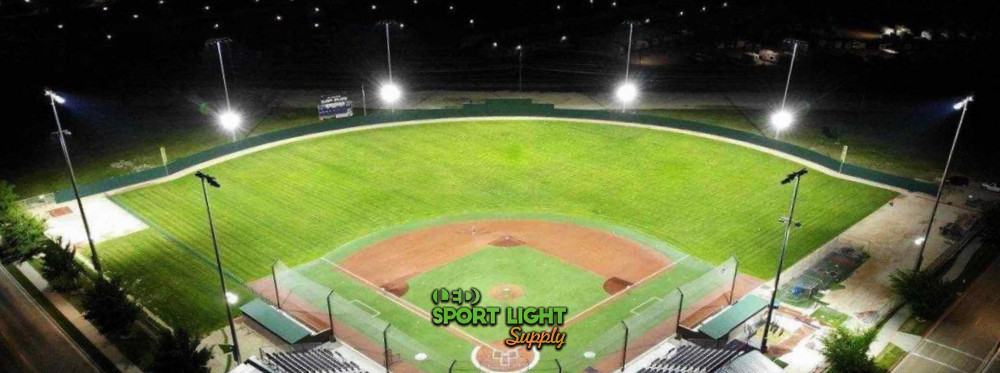
Public high schools continue to be one of the most active applicants for stadium lighting grants in 2026. In many cases, grants are written at the school district level rather than for a single campus, which gives districts flexibility to upgrade multiple football fields, baseball diamonds, or multi-use stadiums over time. Districts serving roughly 5,000 to 20,000 students have seen steady success, particularly when they connect lighting upgrades to student safety, longer practice windows, and reduced operational costs.
For example, replacing older metal halide systems with LED lighting can cut annual electricity usage by 50–65%, while also reducing bulb replacement cycles from every 2–3 years to closer to 10–15 years. In 2026, these long-term savings continue to resonate with grant reviewers who want to see both educational and financial returns.
Private high schools are also eligible, especially when they operate as non-profits and allow community access to their facilities. While competition can be tighter for private institutions, schools that host youth leagues, regional tournaments, or shared-use programs often have a stronger case. Showing that a field supports 300–800 students and community athletes per year can make a real difference.
Colleges and universities
Colleges remain a major focus of stadium lighting grants in 2026, but not always the ones people expect. Community colleges, NAIA schools, and NCAA Division II and III programs appear frequently on award lists. These institutions often operate with limited capital budgets, making grants a practical way to modernize lighting systems that were installed 20, 25, or even 30 years ago.
Smaller colleges that clearly demonstrate energy reductions tend to stand out. A switch from metal halide to LED lighting can deliver 60–70% power savings, along with improved uniformity and instant-on performance. For facilities running lights 1,200 to 2,500 hours annually, those numbers add up quickly, both financially and environmentally.
Even though large Division I programs typically have more internal funding, they are not excluded. In 2026, some universities are bundling lighting upgrades with campus-wide sustainability plans, aiming to meet aggressive carbon-reduction goals. When stadium lighting becomes part of a broader energy strategy, it often fits neatly into grant criteria.
Municipal and community sports facilities
City-owned stadiums, park districts, and recreation authorities are consistently strong candidates for stadium lighting grants. These facilities usually support a wide mix of users, from youth leagues and high school teams to adult tournaments and community events. That kind of shared use aligns well with public funding goals in 2026, where community impact continues to weigh heavily in grant decisions.
Municipal facilities often combine lighting grants with larger park or infrastructure improvement projects. A lighting upgrade tied to a $1–3 million park renovation plan can look more compelling than a standalone request. Cities that can show improved safety, reduced light spill into neighborhoods, and lower maintenance costs—sometimes saving $20,000–$40,000 per year across multiple fields—tend to attract more attention.
Non-profit sports organizations
Non-profit sports organizations also play a growing role in stadium lighting grant applications. Youth sports clubs, athletic foundations, and community associations can qualify as long as they are properly registered and clearly focused on public benefit. In 2026, grant programs are still favoring facilities that support youth development and access to sports.
The strongest applications usually come from organizations that can point to real usage numbers. Facilities serving 500 to 2,000 athletes annually, hosting leagues, clinics, and tournaments, often present a persuasive story. When lighting upgrades allow fields to operate later into the evening or extend seasonal use by several weeks, the benefits become easy to quantify.
Across all applicant types, one theme remains consistent for 2026: grants tend to favor projects that show clear savings, real community use, and long-term value. Whether the applicant is a school, a city, or a non-profit group, those fundamentals help turn a good idea into a competitive proposal.
What kind of sports stadiums can apply for funding?
When it comes to stadium lighting grants in 2026, the good news is that funding is not locked to just one or two major sports. Most grant agencies care far more about how often a facility is used, whether the lighting upgrade improves safety, and how much energy can be saved, rather than what sport is played on the field or court. If a venue hosts regular activities and can show clear benefits from better lighting, it usually has a seat at the table.
Football stadiums
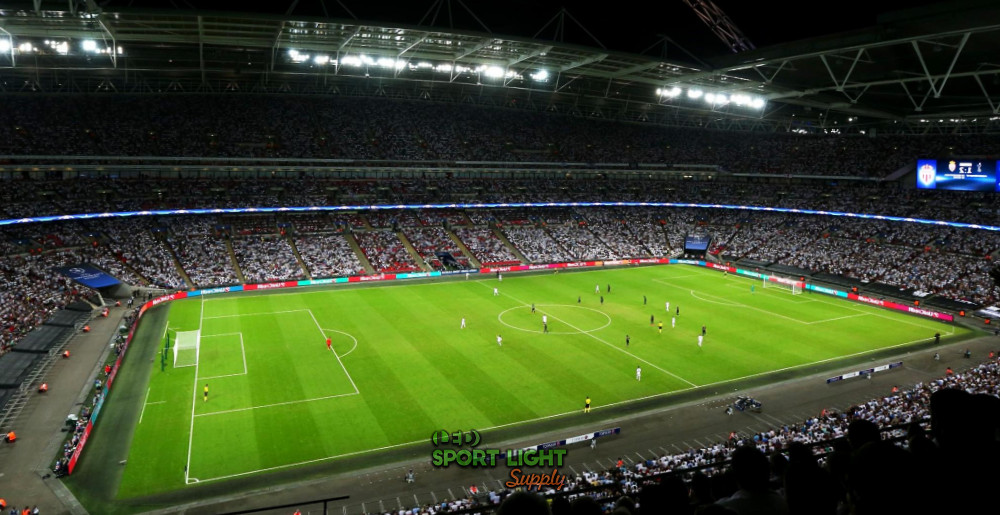
Football stadiums remain the most common recipients of lighting grants, and that’s not surprising. Football fields are large, require high light levels, and often rely on older systems that are expensive to run. In 2026, many grants still prioritize football projects because the energy-saving numbers are easy to prove.
A typical full-size football field upgrade can cut annual electricity use by 50,000 to 100,000 kWh, depending on how often the lights are used. That alone can translate into $6,000–$12,000 in yearly savings, which looks very convincing in grant evaluations. On top of that, football stadiums often host games, practices, marching band rehearsals, and community events, making them highly visible public assets.
Baseball and softball stadiums
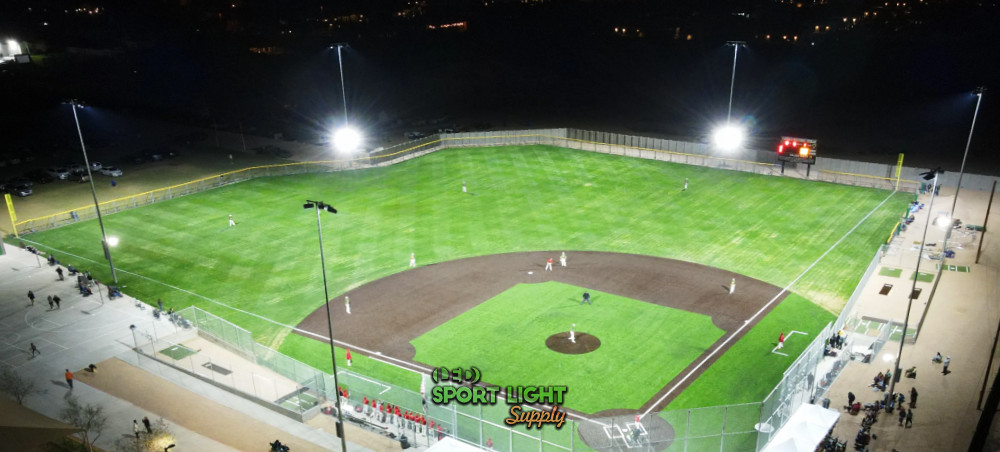
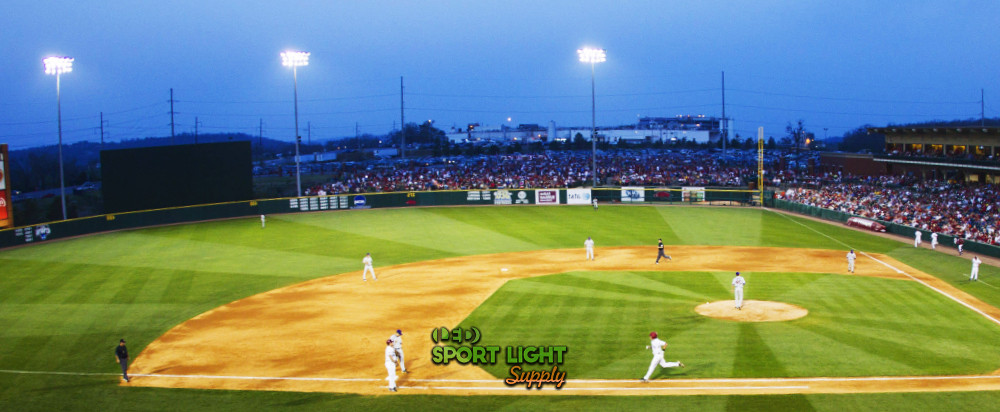
Baseball and softball complexes are also frequent candidates, especially those that host regional or weekend tournaments. These facilities often run multiple fields, which means lighting costs add up quickly. Grant programs in 2026 continue to support upgrades that improve player visibility while also meeting league or broadcast standards.
For complexes with four or more fields, switching to LED lighting can reduce maintenance calls dramatically. Instead of replacing bulbs every few seasons, facilities may go 10 years or more with minimal upkeep. That long-term reliability, combined with better lighting consistency, makes baseball and softball stadiums strong grant contenders.
Cricket stadiums
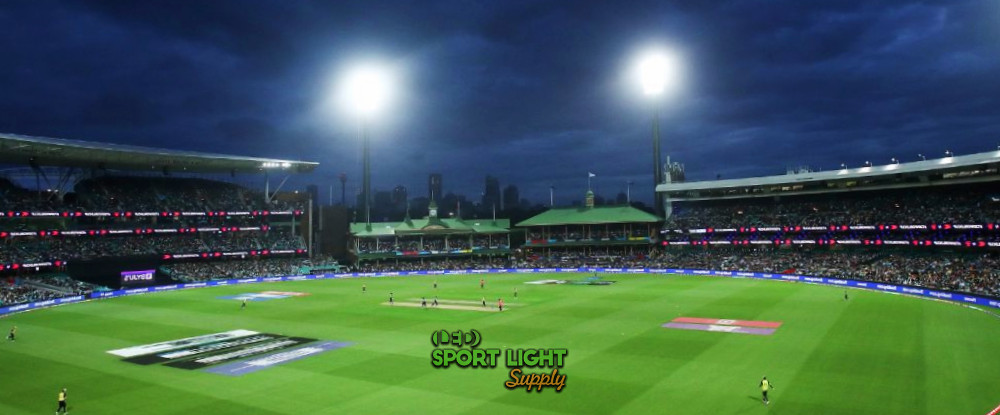
Cricket has been steadily growing across North America, and that growth is starting to show up in grant applications. In 2026, cricket stadiums are appearing more often in urban and suburban funding programs, especially in areas with diverse communities and strong recreational demand.
Cricket matches can run long, sometimes stretching well into the evening, so lighting quality matters a lot. Grant reviewers tend to like projects that emphasize glare control, uniform light coverage, and reduced spill light, especially when stadiums are close to residential areas. Facilities that can show several hundred matches or training sessions per year often make a persuasive case.
Basketball arenas
Indoor basketball arenas qualify for many of the same lighting grants as outdoor stadiums, and in some cases, they have an even stronger argument. In 2026, energy-efficiency grants are particularly relevant for arenas that operate lighting 1,500 to 3,000 hours annually, which is common for school gyms, college arenas, and municipal recreation centers.
Older indoor lighting systems can be major energy drains. Upgrading to LED can reduce power usage by 40–60%, while also improving light quality for players, referees, and spectators. Arenas that host not just basketball, but also volleyball, assemblies, and community events, tend to score higher on usage metrics.
Tennis arenas and pickleball courts
Tennis facilities have long been eligible for lighting grants, but pickleball courts are quickly catching up. With participation numbers climbing year after year, many grant programs in 2026 are paying closer attention to these venues.
Lighting grants for tennis and pickleball often focus on neighborhood-friendly solutions. Reducing glare, limiting light spill, and extending usable hours without disturbing nearby homes are common goals. Facilities that support public programs, leagues, or senior recreation can strengthen their applications by showing how lighting upgrades expand access during evening hours.
Golf courses and practice facilities
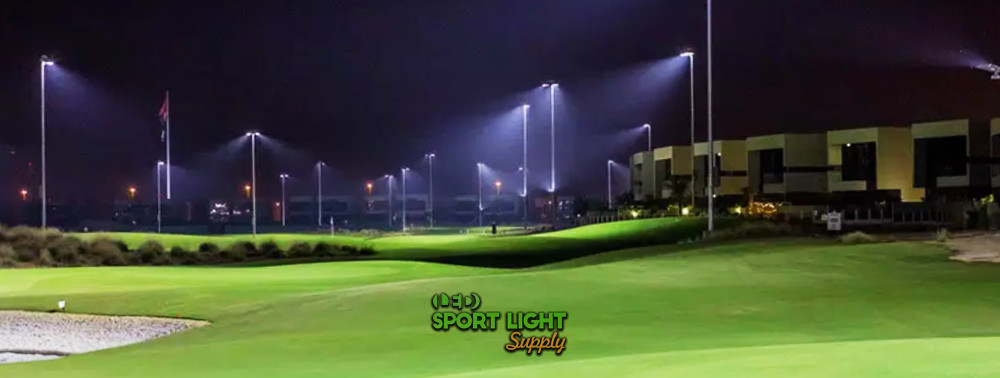
Golf courses may not be the first thing people think of when it comes to stadium lighting grants, but certain areas do qualify. Driving ranges, short courses, and practice facilities that operate at night can be eligible, especially when lighting upgrades reduce energy use and stray light.
In 2026, courses connected to schools, universities, or municipal parks tend to have an advantage. When lighting improvements help a public facility serve more users—sometimes thousands of range sessions per year—grant reviewers are more likely to take notice. Emphasizing reduced operating costs and better environmental control often helps these projects stand out.
What types of grants can be applied for?
Stadium lighting projects in 2026 are rarely funded by a single source. Most successful projects combine two or even three grant programs to make the budget work. The upside is that stadium lighting sits at the intersection of energy efficiency, safety, and community use, which opens doors to multiple funding opportunities.
Here’s a clear overview of the main grant types, the typical support they provide, and some of the specific programs available in 2026 –
| Grant Type | Program / Funding Name | Typical Funding / Savings | Energy Reduction / Impact | Application Deadline (2026) |
|---|---|---|---|---|
| Energy efficiency & sustainability | DOE Energy Improvements at Public School Facilities, EECBG | 10–30% of project cost | 40–70% power savings | Varies by state/utility, typically March–June |
| Government & infrastructure | State STEAP Programs, Local Facility Improvement Grants | Part of $1–2M facility plan | LED lifespan 15–20 years | Often May–July |
| Sports development & youth engagement | U.S. Soccer Foundation Safe Places to Play, NRPA Youth Sports in Parks | N/A | Field availability +20–40% | Usually April–June |
| Safety & community improvement | Community Challenge Grants, Local Public Safety Grants | N/A | Reduced glare, accidents, better visibility | Varies; check local programs |
| Private foundation & corporate | Spurs Give Operation Renovation, Frost Bank Community Grants | $25,000–$100,000 | Supports public/community use | Rolling or seasonal, often Jan–Sept |
Energy efficiency and sustainability grants
Energy-related grants remain among the most reliable sources of funding in 2026. Programs such as the DOE Energy Improvements at Public School Facilities and Energy Efficiency and Conservation Block Grant (EECBG) support LED lighting upgrades because the energy and cost savings are straightforward to measure. Replacing older metal halide systems can reduce annual power consumption by 40–70%, depending on facility size and usage.
Utility rebates alone often cover 10–30% of total project costs, and in high-use facilities, this can be even higher. For example, a $500,000 lighting upgrade could receive $50,000 to $150,000 in funding. These programs are attractive to reviewers because they deliver predictable, long-term savings. Application windows generally fall between March and June, though exact dates vary by state and utility.
Government and infrastructure grants
Government and infrastructure grants are another key funding source. Programs like State STEAP grants or local facility improvement initiatives often include lighting as part of broader projects. Stadium lighting fits well when it improves safety, accessibility, and long-term durability.
For example, upgrades tied to a $1–2 million facility improvement plan usually have a stronger chance than standalone projects. Reviewers favor projects with longer service life, reduced maintenance, and better resilience to weather and electrical issues. LED systems designed to last 15–20 years are especially persuasive. Typical application deadlines are May to July, depending on the local program.
Sports development and youth engagement grants
Some grants focus on increasing sports participation and community engagement rather than energy savings. Programs like the U.S. Soccer Foundation Safe Places to Play or NRPA Youth Sports in Parks support lighting upgrades that extend practice hours and allow evening games.
Facilities serving youth leagues, schools, or underserved communities often have a competitive edge. Showing that improved lighting can increase field availability by 20–40% during the season helps illustrate the real impact. Application periods generally run from April to June in 2026.
Safety and community improvement funding
Community and safety improvement grants prioritize lighting upgrades that reduce glare, improve visibility, and create safer environments. Programs such as Community Challenge Grants or local public safety initiatives often fund lighting as part of larger community improvement projects.
Better lighting can lower the risk of slips, trips, and collisions while minimizing uneven dark spots. Facilities near neighborhoods can strengthen their application by emphasizing reduced spill light and better control, addressing both safety and public concerns. Deadlines vary depending on local or municipal programs, so checking with your city or county offices is recommended.
Private foundation and corporate grants
Corporate and private foundation grants typically do not cover the full cost of lighting projects but can fill funding gaps or act as matching funds. Programs such as Spurs Give Operation Renovation or Frost Bank Community Grants provide $25,000–$100,000 for community-oriented upgrades.
In 2026, these grants often operate on rolling or seasonal schedules, usually from January to September. Projects with strong community ties or demonstrated public benefit tend to perform better in this category.
Steps to Apply for Stadium Lighting Grants
Applying for stadium lighting grants in 2026 takes planning, patience, and organization, but it doesn’t have to feel overwhelming. Most successful applicants aren’t doing anything extraordinary—they’re simply starting early, following the rules closely, and presenting clear information. Breaking the process into steps makes it far more manageable.
Step 1 – Understand Eligibility and Timelines
Before anything else, confirm who can apply and when. Most stadium lighting grants open once per year, with short application windows that often last 6–10 weeks. Missing the deadline usually means waiting another full cycle.
Eligibility requirements are critical. Some grants are limited to public facilities, others to nonprofits, schools, or municipalities. In 2026, many programs also require proof that the facility will remain active for 10 years or more after the lighting upgrade. Reviewing these conditions early can prevent wasted time later.
Step 2 – Align Internal Stakeholders Early
Before committing resources, make sure all decision-makers are aligned. This might include school administrators, city officials, finance departments, or athletic leadership. Grant reviewers often expect proof that the project already has internal approval and long-term support.
Early alignment helps avoid delays, conflicting priorities, or last-minute changes that could weaken the application. It also ensures someone is clearly responsible for timelines, documentation, and follow-up communication.
Step 3 – Conduct a Lighting and Energy Assessment
Most grant programs want a clear picture of the current lighting system. This usually includes fixture counts, wattage, control systems, and annual usage hours.
In 2026, reviewers increasingly expect to see projected energy savings spelled out clearly. For example, showing a reduction from 150,000 kWh to 60,000 kWh per year after an LED upgrade makes the impact easy to understand. While a professional audit isn’t always required, it can strengthen the application by adding credible, well-documented data.
Step 4 – Build a Realistic Project Budget
A strong budget shows that the project is well planned, not rushed. It should include fixtures, controls, installation, potential pole work, and estimated maintenance costs.
Many grant programs now look for lifecycle value, not just upfront pricing. LED systems that reduce maintenance visits by 70–80% over 10–15 years often stand out more than lower-cost options with higher long-term expenses. Clear, itemized numbers help reviewers trust the proposal.
Step 5 – Gather Supporting Documentation
Well-supported applications tend to rise to the top. Letters of support from school boards, city councils, athletic directors, or community groups help demonstrate local commitment. These letters don’t need to be long—just specific and sincere.
Usage data also matters. Metrics like games per year, number of athletes served, or weeks of annual use help reviewers understand real-world impact. In 2026, applications that combine community support with measurable data tend to feel more credible and complete.
Step 6 – Select Vendors and Prepare Technical Details
Some grant programs require vendor quotes, equipment specifications, or performance certifications as part of the application. Even when not required, having this information ready shows preparedness.
Choosing vendors familiar with grant-funded stadium lighting projects can reduce errors and strengthen technical sections. Clear documentation around light levels, controls, and compliance standards helps reviewers see that the project is ready to move forward if funded.
Step 7 – Submit, Track, and Follow Up
Submitting the application isn’t always the final step. Many grant programs allow or request clarifications, revisions, or additional documentation during the review phase. Responding quickly and clearly shows that the project is a priority.
Grant reviewers often manage dozens or hundreds of applications. Staying organized, responsive, and professional can make the difference between being shortlisted and being overlooked.
Secret tips to increase the chance of success
No stadium lighting grant is ever a sure thing, especially in 2026, when many programs are seeing more applications than ever. Still, some proposals clearly perform better than others. The difference often comes down to strategy, not luck. A few behind-the-scenes moves can quietly improve the odds.
Aligning with broader goals
Grant reviewers rarely look at lighting upgrades in isolation. Applications that tie the project to bigger goals—like energy reduction targets, sustainability initiatives, or expanded community access—tend to feel more complete. In 2026, many agencies are still tracking long-term outcomes, not just short-term fixes.
Showing how a lighting upgrade fits into a 5–10 year facility plan helps reviewers see the bigger picture. It signals that the project is part of a thoughtful roadmap, not a one-off expense. Even a short paragraph explaining how lighting supports future field renovations or expanded programs can go a long way.
Showing real numbers, not just promises
Vague language is one of the fastest ways to lose attention. Specific numbers, even simple ones, make a proposal feel grounded. Saying a project will reduce maintenance costs by $12,000 per year, lower energy use by 65%, or cut unexpected outages by 70% gives reviewers something tangible to evaluate.
In 2026, many grant panels are comparing dozens of similar projects. Clear data helps yours stand out without sounding flashy. When numbers are realistic and easy to follow, they build trust.
Partnering with experienced vendors
Working with vendors who have experience supporting grant-funded lighting projects can quietly boost an application. These vendors usually know what grant reviewers expect in technical sections and how to present specs without overcomplicating things.
In 2026, many programs are more detail-oriented than they used to be. Having clean layouts, clear photometric goals, and reasonable assumptions can help avoid red flags. Vendors who’ve been through the process before often help applicants sidestep common mistakes that slow reviews down.
Highlighting community use
Facilities that serve more than one group tend to check multiple boxes. When a field or arena is used by schools during the day and the public in the evening, it naturally aligns with public funding goals.
Spelling this out clearly matters. Showing that a stadium supports school teams, youth leagues, adult recreation, and community events helps reviewers justify funding. In 2026, shared-use facilities continue to perform well because they deliver broader value from a single investment.
Applying for multiple grants at once
One of the most practical strategies is simply not relying on a single grant. Many successful lighting projects in recent years have stacked funding from different sources. Even if one grant only covers 15% of the total cost, combining it with energy rebates, municipal support, or private funding can tip the project from “not feasible” to “ready to go.”
Grant reviewers often like seeing that an applicant has already secured partial funding. It shows momentum and reduces financial risk. In 2026, that kind of preparation still sends a strong signal that the project is serious and achievable.
A few thoughts before you start applying
Stadium lighting grants in 2026 are still leaning toward projects that strike a good balance between energy savings, safety, and real community value. Yes, the competition can be tough, but applications that are well prepared, supported by clear numbers, and backed by a believable plan often rise above the rest. Grant reviewers can usually tell when a project has been thoughtfully put together versus rushed at the last minute.
Starting early makes a noticeable difference. When timelines are realistic and the scope is clearly defined, lighting upgrades stop feeling like a long-shot idea and start looking achievable. With the right mix of grants, rebates, and planning, brighter fields and courts may be closer than expected.
If you’d like an extra set of eyes on your project, we’re happy to help. We offer free consultations on funding applications and lighting design, whether you’re just exploring options or already preparing a submission. From estimating energy savings to shaping a lighting layout that fits grant requirements, our team can help make the process smoother and less stressful. Reaching out early often opens up more opportunities than people realize.