
Upgrading baseball field lighting is one of those projects everyone agrees sounds great, right up until the budget conversation starts. Modern LED sports lighting can cost anywhere from USD 80,000 to over USD 300,000 depending on field size, pole height, and performance standards. For many municipalities, schools, and community leagues, grants are what make the project realistic rather than just aspirational.
The good news is that baseball field lighting grants are more common than many people think. The challenge is knowing where to look, how to position your project, and how to avoid the usual mistakes that quietly derail applications. With the right approach, lighting upgrades often become one of the easier sports infrastructure projects to justify.
Understanding the Different Types of Baseball Field Lighting Grants
Baseball field lighting grants come in several forms, and knowing how they differ can save a lot of time during the funding search. Many applicants assume there is only one kind of sports lighting grant, but funding programs are usually structured around project type, public benefit, and long-term impact. When your proposal clearly matches the right category, reviewers tend to pay closer attention.
Refurbishment and Lighting Upgrade Grants
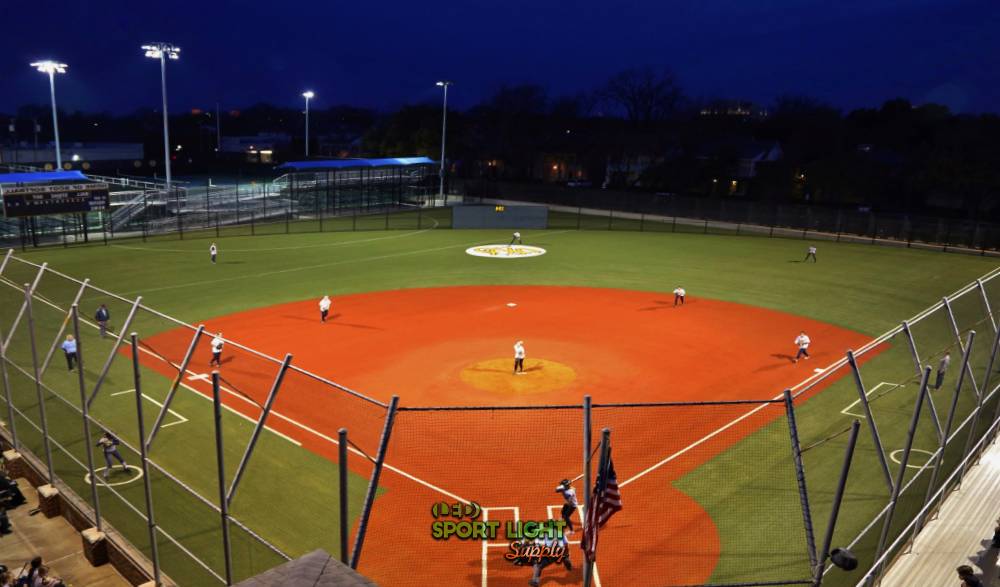
Refurbishment and lighting upgrade grants are often the easiest entry point for funding, especially for baseball fields built 10 to 30 years ago. Many of these fields still operate with metal halide or high-pressure sodium fixtures, which consume large amounts of electricity and require frequent maintenance. From a grant funding perspective, upgrades are appealing because they show immediate, measurable returns without expanding the physical footprint of the facility.
Most refurbishment grants focus heavily on energy savings, operational efficiency, and safety improvements. Replacing legacy systems with LED sports lighting can cut energy usage by 50 to 75 percent. For a typical baseball field running 1,000 to 1,200 hours per year, that can translate into annual savings of USD 6,000 to USD 18,000, depending on local electricity rates. Maintenance savings add even more value, since LEDs often last 50,000 to 100,000 hours compared to the much shorter lifespan of older lamps.
Grant agencies frequently ask applicants to estimate return on investment. Projects that show a payback period of 5 to 8 years tend to score well, especially when public funds are involved. Including real numbers from recent utility bills or maintenance records helps the funding request feel grounded rather than theoretical. Many upgrade grants are structured as partial funding awards, covering 30 to 60 percent of total project costs, which is why they are often paired with municipal budgets or utility rebates.
New Installation and Field Development Grants
New installation and field development grants support baseball fields that currently have no permanent lighting or are part of newly developed sports complexes. These funding programs are usually tied to broader goals like community growth, youth sports access, and regional recreation planning. While competition for these grants is higher, the funding amounts are often larger because the scope includes poles, foundations, electrical infrastructure, controls, and full lighting systems.
A full new baseball field lighting installation typically ranges from USD 150,000 to over USD 300,000, depending on field classification and lighting standards. Grant reviewers understand these costs, but they expect a strong justification for the investment. Applications that clearly explain how many teams will benefit, how often the field will be used, and how lighting expands scheduling flexibility tend to stand out.
Funding agencies often want proof that demand already exists. Showing that the field will host 400 to 600 additional evening games per year, or support 8 to 12 local leagues, helps demonstrate that grant money will be actively used. New installation grants may also require matching funds, often around 20 to 40 percent of total project cost, to confirm local commitment to the development.
Energy Efficiency and Sustainability Grant Programs
Many baseball field lighting projects qualify for funding even when the grant does not specifically mention sports facilities. Energy efficiency and sustainability grant programs are increasingly popular, especially at the state and utility level. These funding sources are designed to reduce overall energy demand, cut carbon emissions, and modernize public infrastructure.
LED sports lighting aligns well with these goals. A single baseball field conversion can reduce annual energy consumption by 60,000 to 120,000 kilowatt-hours, depending on the original system. From a funding perspective, those numbers matter. Utility rebates and state energy grants often cover 20 to 40 percent of eligible equipment costs when wattage reduction thresholds are met.
These funding programs usually require detailed technical documentation, including fixture wattage, control systems, and projected energy savings. While that sounds intimidating, it often works in the applicant’s favor. Projects with clear specifications and verified savings data tend to move faster through the grant approval process. Energy-focused funding is also commonly combined with sports or recreation grants, as long as each funding source covers separate cost categories.
Safety, Accessibility, and Community Health Funding Opportunities
Not all baseball field lighting grants are labeled under sports or recreation. Many funding programs fall under public safety, accessibility, or community health, and lighting upgrades fit neatly into those categories. Poorly lit fields increase the risk of injuries, uneven visibility, and limited access for evening programs. Improved lighting directly addresses these concerns.
Grant programs in this category often look at how lighting supports safer environments and broader participation. For example, extended evening lighting may allow adult leagues, adaptive sports programs, or after-school activities to operate safely beyond daylight hours. Some funding agencies prioritize projects that improve access for underserved communities or support compliance with accessibility standards.
From a funding standpoint, these grants respond well to real-world use cases. Demonstrating that better lighting could increase weekly participation by 25 to 40 percent or reduce field-related incident reports strengthens the application. While these programs may not mention baseball directly, they often support projects that show community-wide benefit rather than competitive advantage alone.
Where to Find Baseball Field Lighting Grant Opportunities
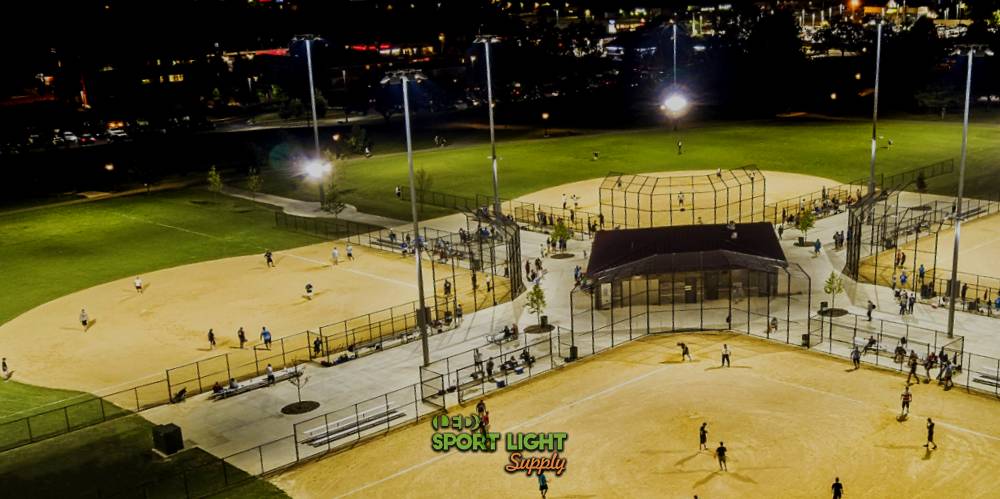
Finding the right baseball field lighting grant is often less about luck and more about knowing where funding actually flows. Many successful projects don’t rely on one single source but instead pull together money from several places. When you understand how different funding channels work, it becomes much easier to build a realistic plan instead of chasing grants that were never a good fit.
| Funding Source | Typical Funding Range | What These Grants Usually Support | Why They Matter for Lighting Projects |
|---|---|---|---|
| Federal & State Programs | USD 25,000 to USD 250,000+ | Public infrastructure, parks, recreation facilities, energy upgrades | These programs manage the largest funding pools and favor projects with clear data, long-term community value, and proven LED technology |
| State Energy Offices | Varies by program, often 20–50% of project value | Energy-efficiency upgrades, LED conversions, demand reduction | Ideal for projects showing 50% or more energy savings, especially when replacing metal halide or HPS systems |
| Local Government & Municipal Funds | USD 50,000 to USD 150,000 | Capital improvements, safety upgrades, shared-use facilities | Often faster to access and highly responsive to community needs, safety concerns, and scheduling limitations |
| Matching Funds from Municipalities | 20–40% of total project cost | Required match for state or federal grants | Strengthens applications by showing local commitment and reducing reliance on a single funding source |
| Private Foundations & Sports Organizations | USD 5,000 to USD 50,000 | Youth sports, community programs, equipment or installation | Adds credibility to the funding stack and signals external trust and engagement |
| Utility Company Rebates | USD 15,000 to USD 60,000+ | LED upgrades, wattage reduction, smart controls | Often overlooked but powerful, especially when tied to peak demand reduction and modern control systems |
| Smart Controls Incentives | Varies by utility | Dimming, scheduling, usage management | Bonus incentives that lower operating costs and improve long-term sustainability |
| Layered Funding Strategy | Combined sources | Equipment, installation, electrical work, controls | Reduces risk, spreads responsibility, and makes projects feel more stable and realistic to reviewers |
Federal and State Funding Programs
Federal and state-level funding programs are usually the first stop for applicants, and for good reason. These programs often manage the largest grant pools and are designed to support long-term public infrastructure. In the U.S., state recreation departments, energy offices, and economic development agencies regularly administer funding tied to parks, sports facilities, and community upgrades.
State-level grants are often more approachable than federal ones. Application cycles tend to be shorter, and funding amounts commonly range from USD 25,000 to USD 250,000 depending on the program. Some states also dedicate annual budgets specifically for outdoor recreation or youth sports facilities, which can include baseball field lighting upgrades or new installations.
Energy offices at the state level are another strong option. These agencies manage funding aimed at reducing energy consumption across public assets. LED sports lighting projects fit naturally here, especially when applicants can show projected energy reductions of 50 percent or more. When public dollars are involved, agencies usually favor projects with clear data, realistic timelines, and proven technology rather than experimental systems.
Local Government and Municipal Funding
Local government funding is sometimes overlooked, but it can be one of the most reliable sources for baseball field lighting projects. City councils, county boards, school districts, and park departments often control capital improvement funds that are set aside for facility upgrades. These budgets may not be labeled as grants in the traditional sense, but they function the same way in practice.
Local funding tends to respond quickly to community pressure. If residents have raised concerns about dark fields, limited evening access, or safety issues, lighting upgrades become much easier to justify. In many cases, municipalities allocate between USD 50,000 and USD 150,000 per project, especially when the field serves multiple user groups like schools, leagues, and community programs.
Local funding also works well as matching money. Many external grants require applicants to contribute 20 to 40 percent of project costs. Municipal support helps meet that requirement while showing reviewers that the project has strong local backing.
Private Foundations and Sports-Related Funding
Private foundations and sports organizations play a quieter but meaningful role in baseball field lighting funding. Youth baseball associations, regional sports nonprofits, and charitable foundations linked to professional teams often offer grants that range from USD 5,000 to USD 50,000. While these amounts usually don’t cover an entire lighting system, they add credibility and depth to the overall funding package.
From a grant review perspective, outside support signals that the project has been vetted beyond internal stakeholders. Even a USD 10,000 foundation grant can strengthen an application by showing community trust and engagement. These funds are often more flexible than government grants and may be used for equipment, controls, or installation costs.
Private funding also tends to favor projects with strong youth participation, volunteer involvement, or community outreach components. Fields that serve hundreds of players annually or host free programs often align well with foundation funding goals.
Utility Company Rebates and Incentive Programs
Utility companies are one of the most underused funding sources for baseball field lighting projects. Many electric utilities offer rebate programs for LED upgrades, especially when projects reduce peak demand or replace inefficient legacy systems. These rebates are often structured as prescriptive incentives based on wattage reduction.
For a standard baseball field lighting upgrade, utility rebates can range from USD 15,000 to over USD 60,000 depending on fixture count and local rates. In some cases, utilities also offer bonus incentives for smart controls, dimming systems, or scheduling technology that reduces unnecessary usage.
These programs change frequently, and funding caps can reset annually, which is why timing matters. Checking directly with the utility provider or working with a lighting consultant who tracks rebate programs can prevent missed opportunities. Utility incentives are commonly combined with grants from other sources, as long as costs are clearly documented and not double-counted.
Building a Strong Funding Stack Instead of Relying on One Source
One thing many successful projects have in common is that they don’t depend on a single grant to carry the full cost. Instead, they layer multiple funding sources in a way that feels balanced and realistic. A state grant might cover a large portion of equipment costs, while local funding supports installation and utility rebates reduce the overall price tag.
From a reviewer’s standpoint, this approach lowers risk. When several funding partners are involved, it signals shared commitment and reduces pressure on any one program. Projects that clearly explain how different grants, incentives, and local funds work together tend to feel more stable and better planned, which can make approval decisions easier across the board.
Determining Whether Your Project Qualifies
Before spending weeks preparing grant paperwork, it helps to step back and check whether a baseball field lighting project actually lines up with common eligibility rules. While every grant program has its own fine print, funding agencies tend to look for similar signals when deciding which projects move forward and which ones stall early.
Ownership, Management, and Public Access
Ownership structure is one of the first filters grant reviewers apply. Fields owned by cities, school districts, park departments, or nonprofit organizations usually have a smoother path through the funding process. Public ownership signals long-term stability and shared benefit, which aligns well with how most grant funding is intended to be used.
That said, privately owned fields are not automatically excluded. Some funding programs allow private ownership as long as public access is clearly defined. For example, a privately managed complex that guarantees open community hours, school use, or youth league access may still qualify. Grant reviewers typically look for written agreements or usage policies that show the field will remain accessible beyond a single organization.
Field Usage and Program Reach
Consistent and meaningful use is another major qualification factor. Grant funding is rarely awarded to facilities that sit idle most of the year. Fields that support youth leagues, school teams, adult recreation programs, and community events naturally score higher because the funding benefits more people.
From a numbers standpoint, usage hours matter. A field hosting 800 to 1,200 hours of play annually presents a much stronger case than one used only on weekends or during a short season. Grant reviewers often ask how many teams, players, or events will benefit from the lighting upgrade. Showing that 300 to 600 players rely on the field each year helps demonstrate real demand rather than hypothetical use.
Energy Performance and Technical Criteria
Energy efficiency is now a central requirement for many lighting-related grants. Programs often specify minimum performance thresholds, such as a 50 percent reduction in energy consumption or complete replacement of outdated lighting technology. Projects that continue to rely on legacy fixtures rarely qualify for modern funding programs.
Including smart controls, dimming capabilities, or scheduling systems can further strengthen eligibility. These features show that the project is designed for long-term efficiency rather than just brighter lights. Some grant programs also look for compliance with local lighting ordinances or dark-sky guidelines, especially when public funds are involved.
Community Impact and Geographic Context
Where the field is located can influence eligibility just as much as how it is used. Fields in underserved neighborhoods, rural communities, or areas with limited recreational infrastructure often align closely with grant funding priorities. Many programs are designed to reduce access gaps rather than upgrade already well-funded facilities.
Grant reviewers may also consider whether the project supports broader community goals. Lighting that allows evening access for working families, after-school programs, or multi-use recreation tends to resonate well. When the project connects to community development, safety, or health outcomes, it becomes easier to justify the use of grant funding.
Building a Strong Grant Application That Feels Real
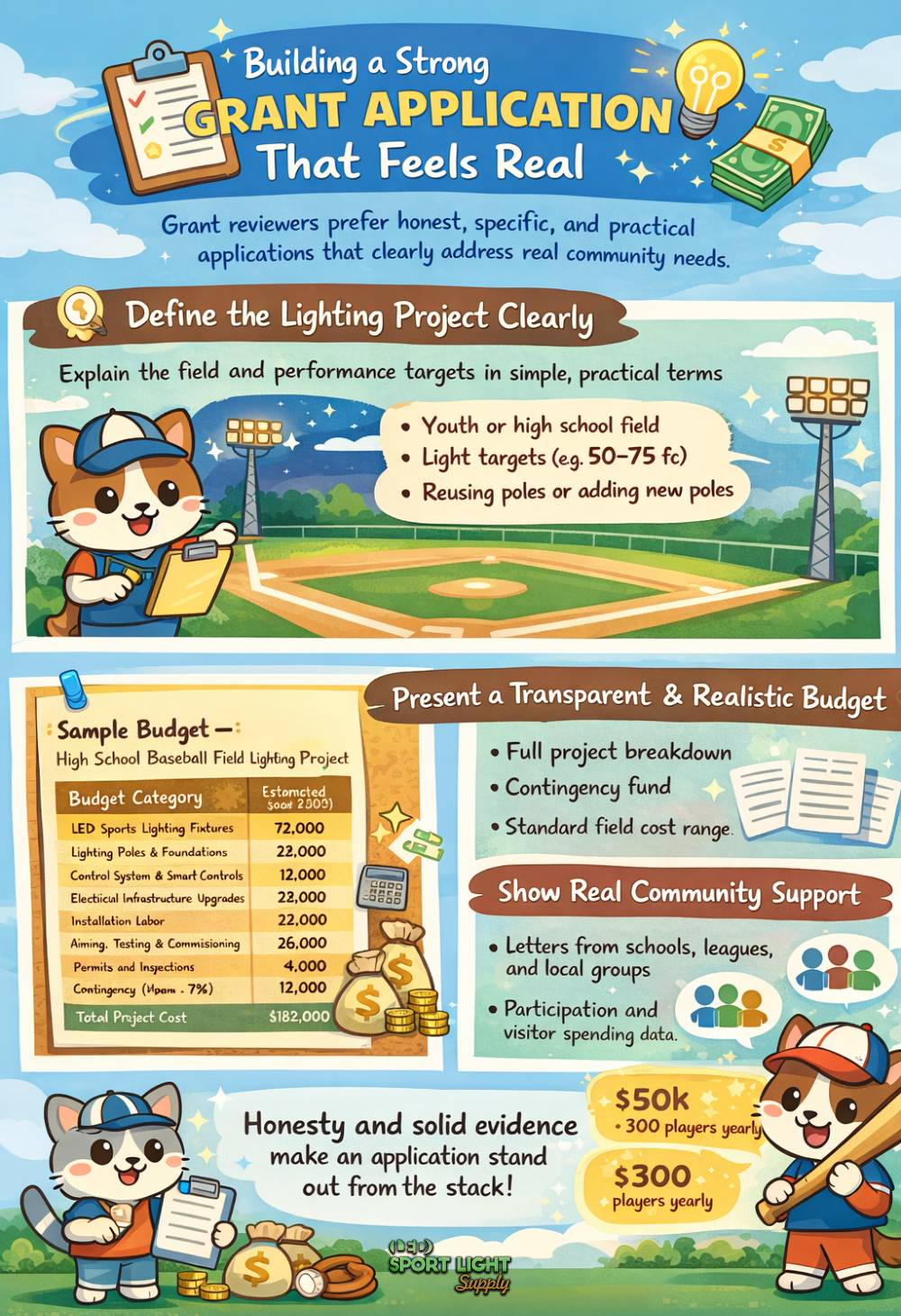
Grant reviewers go through stacks of applications every cycle, and the ones that stand out usually share the same quality. They don’t try to impress with buzzwords or grand promises. Instead, they sound like they come from people who actually manage the field and understand its day-to-day challenges. A strong grant application feels honest, specific, and practical, which makes it easier for funding committees to trust the project.
Defining the Lighting Project in Clear, Practical Terms
When grant reviewers look at a baseball field lighting proposal, they are not expecting technical drawings or engineering calculations. What they do expect is a project description that feels well thought out and easy to follow. Clear details help funding committees understand that the project is realistic, scoped properly, and ready to move forward if funding is approved.
Explaining the Field and Performance Goals
Start by describing the field itself in plain language. Mention whether it is a youth, high school, or recreational field, and note basic characteristics like outfield depth, infield size, and pole configuration. Grant reviewers want to see that the lighting plan fits the actual field rather than a generic template.
Lighting performance targets help anchor the proposal. Modern LED baseball lighting systems typically deliver between 50 and 100 foot-candles depending on field class and level of play. Including these figures shows that the project is aligned with recognized standards and not based on guesswork. It also reassures reviewers that the lighting will support safe play for athletes and officials.
Pole height and placement matter as well. Even a brief explanation that existing poles will be reused or that new poles will be installed at specific heights helps clarify scope. When committees can picture the setup, they are more comfortable approving grant funding.
Presenting a Transparent and Realistic Budget
Budget clarity is one of the fastest ways to build trust in a grant application. A lighting project budget should reflect the full scope of work rather than just the cost of fixtures. Most baseball field lighting projects include luminaires, poles, control systems, electrical upgrades, installation labor, aiming, and commissioning.
For many standard fields, total project costs fall between USD 120,000 and USD 250,000. Larger or higher-level fields may exceed that range. Including a modest contingency, often around 5 to 10 percent, signals that the project team understands real-world construction variables. Grant reviewers tend to prefer realistic budgets over aggressively low estimates that risk delays later.
Sample Budget – High School Baseball Field Lighting Project
| Budget Category | Description | Estimated Cost (USD) |
|---|---|---|
| LED Sports Lighting Fixtures | High-efficiency LED luminaires designed for high school–level play, including drivers and mounting hardware | 72,000 |
| Lighting Poles and Foundations | New steel poles or reinforcement of existing poles, including concrete foundations where required | 28,000 |
| Control System and Smart Controls | Centralized lighting controls, scheduling software, and dimming capability | 12,000 |
| Electrical Infrastructure Upgrades | Conduit, wiring, panels, trenching, and electrical connections | 22,000 |
| Installation Labor | Fixture mounting, wiring, pole erection, and system integration | 26,000 |
| Aiming, Testing, and Commissioning | Professional aiming, light level verification, and system commissioning | 6,000 |
| Permits and Inspections | Local permits, inspections, and utility coordination fees | 4,000 |
| Contingency (Approx. 7%) | Allowance for unforeseen site conditions or minor scope adjustments | 12,000 |
| Total Project Cost | 182,000 |
Aligning Scope With Funding Requirements
Many grant programs want to know exactly how their funding will be used. Clearly stating which cost components are covered by grant funding and which are funded locally helps avoid confusion. This level of detail also supports compliance and reporting after funds are awarded, which reviewers consider during the selection process.
Showing Community Support Beyond Words
Community support remains a key part of most baseball field lighting grant applications, but how that support is demonstrated makes a real difference. Letters of support still play a role, but generic statements of approval rarely move the needle on their own.
Turning Support Into Real-World Evidence
Support letters carry more weight when they explain how the field is actually used. Endorsements from schools, youth leagues, adult recreation programs, or senior sports groups help paint a picture of year-round activity. Mentioning that the field serves 300 local players annually or supports multiple leagues provides context that grant reviewers can easily understand.
If the field hosts tournaments or regional events, including those details adds another layer of credibility. A field that draws teams from outside the community shows broader impact, which many funding programs value.
Adding Numbers to Community Impact
Some of the strongest applications include basic participation or economic data. Attendance figures, volunteer hours, or usage logs help show that the field is more than an occasional amenity. Even conservative estimates can be persuasive when they are reasonable and supported by experience.
For example, noting that tournaments generate around USD 50,000 in annual visitor spending through hotels, dining, and local services helps frame the lighting upgrade as an investment rather than an expense. These kinds of details turn community support from general enthusiasm into tangible value, which aligns well with how grant funding decisions are made.
Common Grant Application Mistakes That Quietly Sink Projects
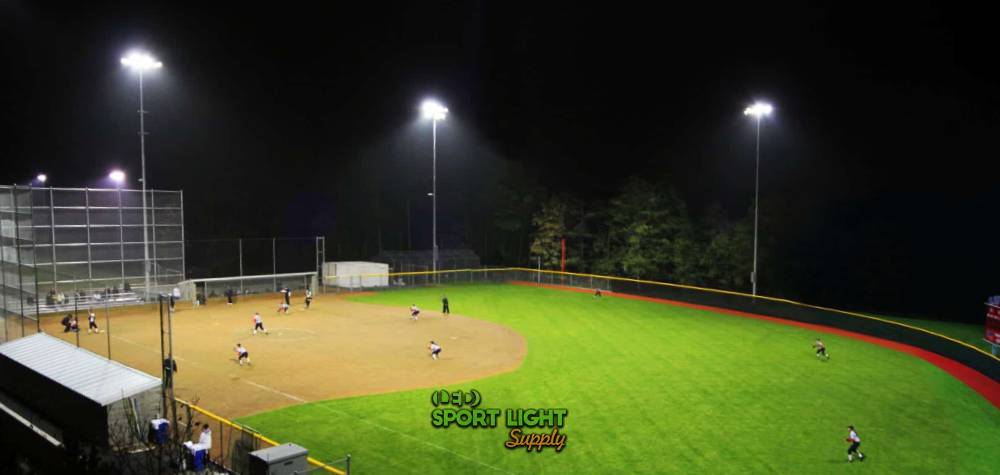
Many baseball field lighting grant applications don’t fail because the idea is bad. They fail because small, avoidable issues make reviewers nervous. Funding committees are tasked with protecting public or charitable money, so even minor inconsistencies can push an otherwise solid project to the sidelines.
Incomplete or Inconsistent Documentation
One of the most common problems is missing or mismatched information. Budgets that don’t line up with the project description, timelines that change from one section to another, or supporting documents that are outdated all raise red flags. If one page lists a USD 180,000 project cost and another references USD 210,000, reviewers may question how carefully the proposal was prepared.
Grant funding decisions often move quickly once applications are reviewed. When key documents are missing, committees rarely have time to ask for clarification. Instead, they move on to applications that feel complete and ready. Double-checking cost estimates, ownership details, and usage figures can prevent these quiet disqualifications.
Overpromising Without Solid Evidence
Another mistake that shows up frequently is overpromising results. It’s tempting to claim that new lighting will double participation or transform the field into a regional hub overnight. Without supporting data, those statements tend to work against the application.
Grant reviewers usually prefer realistic projections backed by experience. Modest increases, such as a 20 to 30 percent rise in playable hours or participation, feel believable when paired with scheduling data or past usage trends. Funding committees know that growth takes time, and they trust applications that acknowledge that reality rather than selling a best-case scenario.
Overlooking Post-Award Responsibilities
Winning grant funding comes with ongoing responsibilities, and applications that ignore this part of the process often raise concerns. Many grants require progress updates, energy usage reporting, or documentation after installation. Some also require public acknowledgment of funding support through signage or community announcements.
Acknowledging these obligations upfront shows that the project team understands the full lifecycle of grant funding. Even a brief statement confirming readiness to submit reports or track energy performance helps reassure reviewers. It signals that the organization is prepared not just to receive funding, but to manage it responsibly over time.
What Happens After a Grant Is Approved
Getting the grant approval email is a great moment, but it’s really just the handoff into the next stage of the project. Funding agencies look closely at what happens after approval, and how smoothly a project moves forward often affects future funding opportunities as much as the original application.
Understanding How Grant Funds Are Released
Most baseball field lighting grants do not arrive as a single upfront payment. Funding is usually released in phases tied to specific project milestones. Common triggers include contract signing, equipment delivery, installation progress, and final commissioning. Some programs reimburse costs after work is completed, which means cash flow planning matters.
Knowing this structure early helps avoid surprises. If a grant covers USD 150,000 of a USD 200,000 project, the organization may still need to front certain costs temporarily. Clear coordination between finance teams, vendors, and grant administrators keeps payments aligned with actual progress.
Managing the Project Timeline
Once funding is secured, project management becomes the main focus. Coordinating lighting suppliers, electrical contractors, utility providers, and inspectors takes time, especially when installations need to avoid peak playing seasons. Starting these conversations early reduces the risk of delays that could affect league schedules or community access.
Permits and utility approvals can take several weeks, sometimes longer in busy seasons. Projects that account for this early tend to stay on track. Grant agencies appreciate timely execution, and meeting agreed milestones helps maintain a positive relationship with the funding body.
Handling Reporting and Documentation
After installation, documentation becomes part of the ongoing responsibility. Many grants require completion reports, photos of the finished project, and confirmation that funds were used as approved. Energy-related grants may also ask for before-and-after usage data to verify projected savings.
Maintaining organized records makes this process much easier. Fields that submit reports on time and provide clear documentation build a strong track record with funding agencies. That reputation often carries weight when applying for future grants, making the next project easier to fund than the first.
Treating post-award responsibilities with the same care as the application itself helps ensure the project closes out smoothly and leaves the door open for future funding support.
Baseball Field Lighting Grants – Common Questions Answered
1. What Are the Major Steps for Applying for Baseball Field Lighting Grants?
Most successful baseball field lighting grant applications follow a fairly consistent path, even though the forms and requirements can look different from one program to another. The first step is clearly defining the project itself. This usually means working with a lighting professional to develop a detailed lighting design that shows fixture locations, pole heights, target light levels, glare control, and projected energy performance. Grant reviewers want confidence that the lighting plan is technically sound and appropriate for the level of play before funding is considered.
Once the scope is defined, the next step is building reliable cost estimates. This includes not just the lighting fixtures, but also poles, controls, electrical work, installation, aiming, and commissioning. At the same time, applicants typically confirm eligibility requirements and identify which grant programs align best with the project goals. This is where understanding funding priorities, such as energy savings or community use, really pays off.
After the project framework is in place, supporting materials are gathered. Usage data, participation numbers, and community support letters help show real demand. Budget documentation and projected savings help justify the funding request. When the application is submitted, it’s common for grant administrators to ask follow-up questions or request minor revisions. Projects that invest time in early preparation tend to move through this phase more smoothly and avoid last-minute scrambles.
2. How Long Does the Grant Process Usually Take?
Grant timelines vary widely depending on the funding source and the level of competition. Local programs and utility incentive grants may issue decisions within 60 to 90 days, especially if funding is allocated on a rolling basis. State and federal grants usually follow a longer schedule, with review periods that stretch from several months to a full year.
Even after approval, funds may not be released immediately. Some programs align payouts with fiscal years or require contracts and reporting plans to be finalized first. Installation often needs to fit around playing seasons or weather conditions, which can push project completion further out. Because of this, many successful applicants begin planning 6 to 12 months before they hope to break ground.
Fields that wait until lighting systems start failing often face tighter deadlines and fewer options. Early planning allows time to refine the application, explore multiple funding sources, and schedule installation without disrupting leagues or tournaments.
3. Can a Project Apply for Multiple Lighting Grants at the Same Time?
Yes, and in many cases this is not only allowed but expected. Baseball field lighting projects are frequently funded through a combination of grants, rebates, and local contributions. One grant might cover a portion of the lighting equipment, while another supports installation or electrical upgrades.
What matters most is transparency. Each grant application should clearly explain how funding will be allocated and confirm that the same costs are not being claimed from multiple sources. Grant reviewers are generally comfortable with layered funding when it’s well documented and logically structured.
A clear funding stack often makes a project feel more secure. When multiple partners are involved, it shows shared commitment and reduces financial risk. From a reviewer’s perspective, that kind of structure can make an application more appealing than one that depends entirely on a single funding source.
4. Do Grant Programs Require Professional Lighting Design or Engineering?
Not every baseball field lighting grant requires stamped engineering drawings, but many funding programs do expect a professional lighting layout or photometric study as part of the application. This doesn’t mean the design needs to be overly technical or filled with engineering jargon. What reviewers usually want to see is a clear, well-prepared plan that shows fixture locations, target light levels, pole heights, and basic performance standards for the level of play.
Having a professional design in place strengthens a grant application in several ways. It shows that lighting performance, glare control, spill light, and energy usage have already been thought through, rather than left as open questions. It also helps avoid scope changes later, which funding agencies try to minimize once money is awarded. From a practical standpoint, a solid design upfront often shortens the installation timeline and reduces the risk of unexpected costs.
5. Are Maintenance and Operating Costs Considered in Grant Reviews?
Maintenance and operating costs are playing a bigger role in how grant applications are evaluated, especially when public funds are involved. Reviewers want reassurance that the field can afford to operate the lighting system long after installation. Projects that show predictable operating expenses tend to feel more stable than those that focus only on upfront costs.
Including simple projections can make a real difference. For example, explaining that LED lighting is expected to cut annual energy costs by USD 6,000 to USD 10,000 or eliminate frequent lamp replacements helps show long-term viability. Reduced maintenance also means fewer disruptions during the season, which matters to schools and community leagues. These details help position the lighting upgrade as a sustainable investment rather than a short-term improvement.
6. What Happens If a Grant Application Is Not Approved?
A denied grant application is more common than many people expect, and it doesn’t mean the project is over. Many successful baseball field lighting projects receive funding on a second or even third attempt. In fact, grant reviewers often expect applicants to refine and resubmit.
When feedback is provided, it’s worth paying close attention. Comments about unclear scope, weak documentation, or limited matching funds can usually be addressed with better preparation or slight adjustments. Sometimes the issue is timing rather than the project itself. Reapplying in the next funding cycle with updated usage data, a stronger funding match, or a more detailed lighting plan can significantly improve the odds.
Persistence, paired with thoughtful revisions, is often what turns an initial rejection into an approved grant.
Where a Smart Lighting Plan Can Lead
A well-executed baseball field lighting project often becomes a reference point for future upgrades. Communities that document results, savings, and increased usage build a strong case for additional grants, whether for scoreboards, turf, or facility expansion.
If you are exploring baseball field lighting grants and want guidance tailored to your location, budget, or field layout, working with an experienced lighting and grant consultation team can save time and prevent costly missteps. We regularly help organizations evaluate funding options, prepare project documentation, and align lighting solutions with grant requirements. Feel free to reach out to us for a conversation about how your field can move from planning to play under better lights.