
Sports facilities play a much bigger role today than they did a decade ago. A local soccer field might host youth leagues during the day, adult tournaments in the evening, and community events on weekends. Schools, colleges, municipalities, and nonprofit organizations are all looking for ways to maximize facility usage while keeping operating costs under control.
One of the most common upgrades being considered is sports lighting. Modern lighting systems can improve visibility, enhance safety, extend playing hours, and reduce energy consumption. The challenge, however, is funding these projects. Stadium and sports lighting installations can range from tens of thousands of dollars to several hundred thousand dollars depending on the size of the facility.
Fortunately, a variety of grants and funding programs are available to help organizations invest in new lighting infrastructure. Understanding who qualifies and what types of projects may be eligible is often the first step toward securing funding.
Why Organizations Apply for Sports Lighting Grants
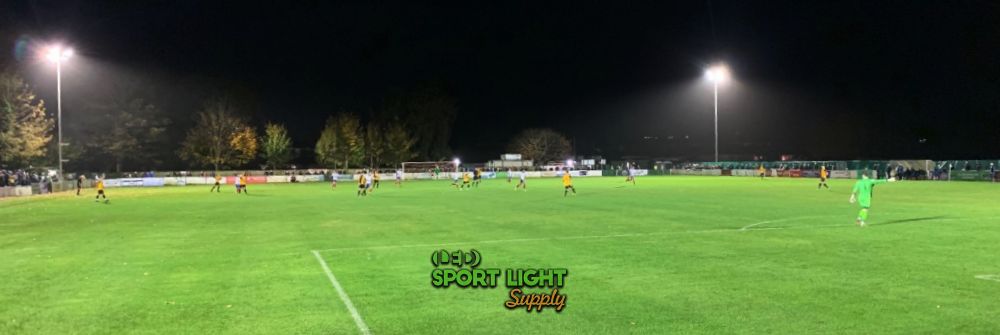
For many schools, sports clubs, municipalities, and nonprofit organizations, upgrading athletic field lighting is not simply about making a field brighter. Sports lighting projects are often part of a larger strategy to improve facility usage, reduce operating expenses, enhance safety, and create a better experience for athletes and spectators alike.
The cost of installing or upgrading sports lighting systems can be substantial. Depending on the size of the facility, a new LED sports lighting project may range anywhere from $50,000 to more than $500,000. Stadium lighting systems for larger venues can exceed seven figures in some cases. Because of these costs, sports lighting grants have become an attractive funding solution for organizations looking to modernize their facilities without placing the entire financial burden on taxpayers, donors, or operating budgets.
Extending Field Availability and Playing Hours
One of the biggest reasons organizations pursue sports field lighting grants is the ability to maximize facility usage.
Many athletic facilities sit unused after sunset, especially during the fall and winter months when daylight hours are limited. By installing modern stadium lighting, football field lighting, baseball field lighting, soccer field floodlights, or multi-sport LED lighting systems, organizations can dramatically increase the number of hours their facilities remain available.
For example, a youth soccer complex that previously operated until 5:30 PM may be able to extend activities until 9:00 PM or later with proper illumination. Over the course of a year, that can translate into hundreds of additional programming hours.
This increased availability allows schools and recreation departments to accommodate growing participation rates without immediately investing in new fields or sports complexes. In many communities where youth sports participation continues to rise, making better use of existing facilities is often the most practical solution.
Lower Energy Costs and Long-Term Savings
Energy efficiency is another major driver behind sports lighting upgrades.
Many older sports venues still rely on metal halide or high-pressure sodium fixtures that consume large amounts of electricity and require frequent maintenance. These systems can be expensive to operate and often deliver inconsistent lighting performance.
Modern LED sports lighting systems have changed the equation considerably. Depending on the facility and lighting design, LED upgrades can reduce energy consumption by 50% to 75% compared to traditional technologies. Some organizations report annual utility savings of several thousand dollars after completing a sports lighting retrofit.
The maintenance benefits can be just as appealing. Traditional fixtures often require bulb replacements, ballast maintenance, and ongoing repairs. By comparison, many LED sports lights are rated for 50,000 to 100,000 operating hours, reducing maintenance demands and lowering long-term ownership costs.
For grant providers focused on sustainability, energy conservation, and public infrastructure improvements, these measurable savings often strengthen an application’s appeal.
Enhancing Safety for Players and Spectators
Safety is another common reason organizations seek sports lighting grants.
Poorly illuminated sports fields can create challenges for athletes, officials, coaches, and spectators. Uneven lighting may increase visibility issues during practices and competitions, while poorly lit walkways, parking lots, and spectator areas can create concerns for visitors attending evening events.
Modern athletic field lighting systems are designed to provide more uniform light distribution, minimize shadows, and reduce glare. This helps create a more comfortable environment for everyone using the facility.
Many grant programs specifically support projects that improve public safety. As a result, applications that combine field lighting upgrades with parking lot lighting, pathway illumination, security lighting, and pedestrian safety improvements may have additional advantages during the evaluation process.
Supporting Sustainability and Environmental Goals
Sustainability has become a growing priority for schools, municipalities, and nonprofit organizations across the country.
Many grant programs now encourage projects that reduce energy consumption and support environmental initiatives. Sports lighting projects that incorporate LED technology, solar-powered lighting systems, battery storage solutions, and smart lighting controls often align well with these funding objectives.
For example, solar sports lighting systems can generate renewable energy while reducing dependence on the electrical grid. Smart lighting controls can automatically adjust brightness levels based on schedules, occupancy, or field usage, helping organizations avoid unnecessary energy consumption.
Facilities pursuing carbon reduction targets, green building initiatives, or sustainability certifications may find that sports lighting upgrades contribute to broader environmental goals while also reducing operating expenses.
Increasing Community Engagement and Facility Revenue
Modern sports lighting can also create new opportunities for community engagement.
When facilities are available during evening hours, organizations can host additional tournaments, leagues, fundraising events, camps, and recreational programs. This expanded usage often benefits local businesses as well, particularly when tournaments attract visitors who spend money on hotels, restaurants, and retail services.
Some municipalities estimate that regional sports tournaments generate tens of thousands of dollars in local economic activity over a single weekend. Lighting improvements can help communities attract more events and maximize the value of existing sports infrastructure.
For grant providers looking to support community development, economic growth, and public recreation, these broader benefits can make sports lighting projects especially attractive.
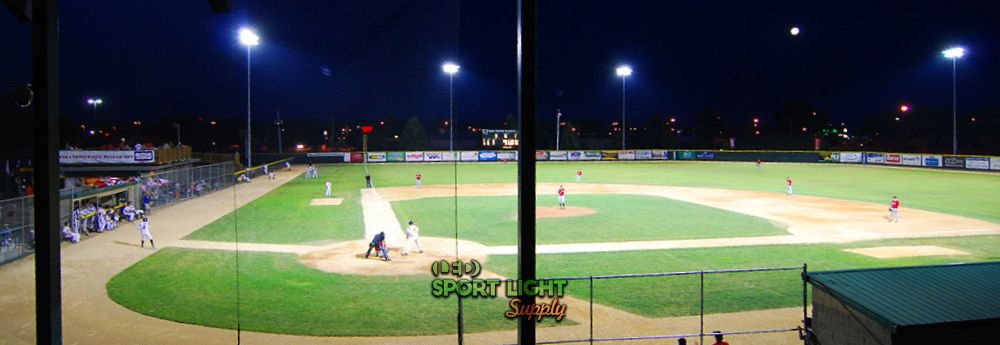
Who Is Eligible to Apply for Sports Lighting Grants?
Sports lighting grant eligibility varies depending on the funding source, but several types of organizations commonly qualify. Understanding where your organization fits can help narrow the search for suitable funding opportunities and improve the likelihood of a successful application.
Sports Lighting Grant Eligibility at a Glance
| Organization Type | Examples | Common Funding Priorities |
|---|---|---|
| Public Schools & School Districts | K-12 schools, school districts | Energy efficiency, student athletics, community use |
| Private Schools | Independent schools, nonprofit schools | Facility upgrades, youth sports, community programs |
| Colleges & Universities | Universities, community colleges | Stadium modernization, sustainability, recreation |
| Nonprofit Sports Organizations | Soccer clubs, baseball leagues, youth sports associations | Participation growth, accessibility, youth development |
| Adaptive Sports Programs | Disability sports organizations, inclusive recreation groups | Accessibility, inclusion, community engagement |
| Recreation Foundations | Sports foundations, charitable recreation groups | Public benefit, facility improvement |
| Municipal Governments | Cities, counties, parks departments | Community recreation, public infrastructure |
| Tribal Governments | Tribal recreation departments, community facilities | Wellness, recreation, energy efficiency |
| Community Organizations | Sports councils, neighborhood associations, civic groups | Youth programs, public access, recreation |
| Amateur & Semi-Professional Organizations | Minor league teams, regional sports authorities | Community access, public programming |
Extra tip – Organizations that can demonstrate broad community use, youth participation, public access, energy savings, or sustainability benefits are often among the strongest candidates for sports lighting grant funding.
Public Schools and School Districts
Public school districts often manage multiple athletic facilities, including football stadiums, soccer fields, baseball diamonds, softball complexes, tennis courts, and track-and-field venues. Many of these facilities were constructed years ago and may still operate with aging lighting systems that consume excessive amounts of energy.
Sports lighting grants can help districts replace outdated fixtures with modern LED stadium lighting, install smart controls, improve energy efficiency, and enhance the overall quality of athletic facilities.
Because school athletic fields are frequently used by students, community sports programs, and local organizations, grant providers often view these projects as investments that benefit a broad range of users.
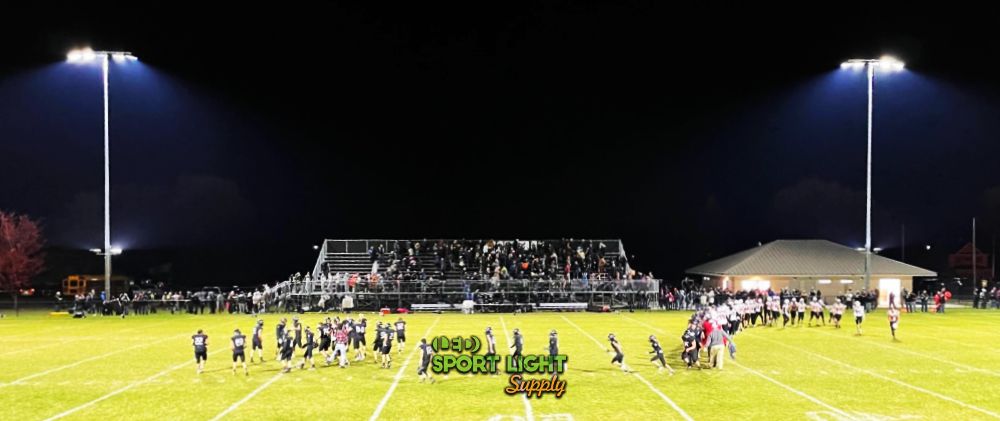
Private Schools and Independent Educational Institutions
Private schools and independent educational institutions may qualify for sports lighting grants depending on the requirements of a particular funding program.
While some grant opportunities are limited to public entities, others are available to nonprofit schools, private educational institutions, and organizations that provide measurable community benefits. Schools that host youth athletics, recreational programs, tournaments, or community events may be eligible for funding that supports athletic facility improvements.
Many private schools operate football fields, baseball and softball complexes, tennis courts, soccer fields, and multi-purpose athletic facilities that require reliable lighting systems. Upgrading sports lighting can improve safety, extend facility usage, reduce maintenance costs, and enhance the overall experience for athletes and spectators.
Grant providers often favor projects that demonstrate strong community impact, increased access to recreational opportunities, and long-term facility improvements. Schools that make their facilities available for local leagues, camps, or community programs may be particularly attractive candidates for funding.
Colleges and Universities
Colleges and universities frequently pursue grant funding as part of broader athletic facility modernization and campus improvement initiatives.
Many higher education institutions operate large stadiums, recreational fields, intramural sports complexes, practice facilities, and training centers that depend on substantial lighting infrastructure. Funding opportunities may be available through educational grants, sustainability programs, energy-efficiency initiatives, community development programs, and infrastructure improvement projects.
Modern sports lighting systems can help colleges and universities reduce energy consumption, improve visibility, support televised events, and expand facility availability for students and community users. These improvements often align with institutional goals related to sustainability, operational efficiency, and student engagement.
Community colleges are often especially strong candidates because they frequently serve both educational and public recreation functions. Athletic facilities may be used by students during the day and local sports organizations, community groups, and recreational programs during evenings and weekends, creating broad community value.
Nonprofit Organizations
Nonprofit organizations represent a significant category of applicants for sports lighting grants due to their strong focus on community service and recreational programming.
Many nonprofits operate athletic facilities, recreational programs, sports leagues, and community-based initiatives that benefit local residents. Grant providers often support projects that improve accessibility, increase participation opportunities, enhance safety, and expand the availability of recreational resources.
Sports lighting upgrades can help nonprofit organizations extend operating hours, accommodate larger numbers of participants, host additional events, and improve the overall quality of their facilities. Modern lighting systems may also reduce energy costs and support long-term operational sustainability.
Organizations that can demonstrate measurable community impact, strong program participation, and long-term public benefits are often well-positioned to pursue funding opportunities for athletic facility improvements.
Youth Sports Organizations and Athletic Associations
Youth sports organizations and athletic associations are among the most common applicants for sports lighting grants.
Organizations that operate soccer clubs, baseball leagues, softball associations, football programs, lacrosse organizations, basketball leagues, and other recreational sports programs frequently seek funding to improve their athletic facilities. Enhanced lighting can increase field availability, support evening programming, and allow organizations to accommodate growing participation levels.
Grant providers often prioritize projects that expand youth recreation opportunities, improve participant safety, and increase access to organized sports. Facilities that serve large numbers of athletes and families throughout the year may have particularly strong cases for funding support.
Community Recreation and Sports Foundations
Community recreation organizations, charitable sports foundations, and nonprofit athletic facilities often qualify for sports lighting grants because of their direct contribution to local quality of life.
These organizations frequently host youth leagues, educational programs, recreational activities, tournaments, public events, and community gatherings. Improved lighting can help maximize facility usage, support additional programming, and create safer environments for participants and spectators.
Funding providers typically look for projects that serve diverse user groups and deliver lasting community benefits. Organizations that demonstrate strong community engagement, broad participation, and long-term facility value may be especially competitive applicants for sports lighting funding opportunities.
Types of Sports Facilities That May Qualify
One common misconception about sports lighting grants is that they are only available for large stadiums or professional sports venues. In reality, many grant programs are designed to support a wide range of athletic and recreational facilities that serve local communities, schools, nonprofits, and public organizations.
From neighborhood soccer fields and baseball diamonds to indoor sports centers and multi-sport complexes, funding opportunities often extend far beyond traditional stadium projects. The key factor is usually how the facility benefits the community, promotes recreational participation, improves energy efficiency, or supports youth and public programs.
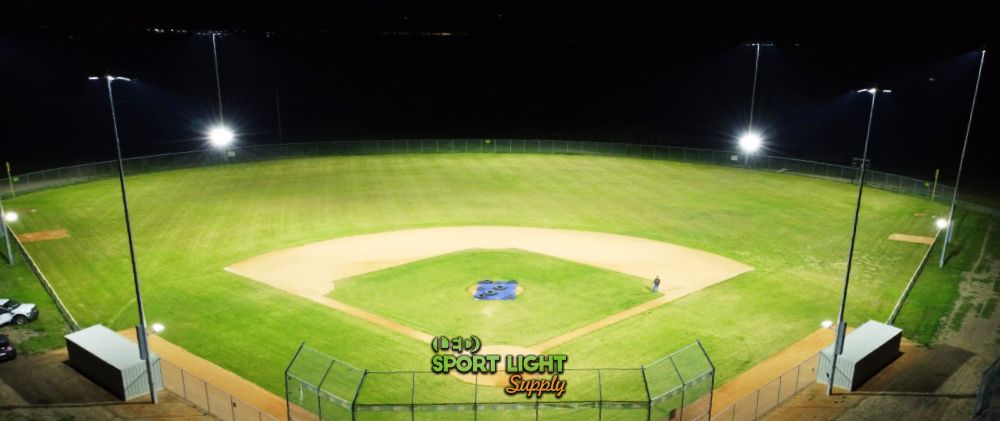
Outdoor Athletic Fields
These facilities often serve as central hubs for community recreation, school athletics, youth sports programs, and competitive leagues. Soccer fields, football fields, baseball diamonds, softball complexes, rugby pitches, cricket grounds, lacrosse fields, and field hockey venues may accommodate hundreds or even thousands of participants throughout the year.
Modern LED sports lighting can significantly expand facility availability by supporting evening practices, games, tournaments, and special events. Grant providers frequently recognize that lighting improvements allow organizations to maximize existing infrastructure while increasing community access and participation opportunities.
Soccer Fields and Football Fields
These facilities often host a variety of users, including youth leagues, school teams, recreational programs, travel clubs, and adult sports organizations. As participation levels continue to grow, many communities face challenges related to limited field availability and scheduling conflicts.
Installing modern LED field lighting can extend operating hours, improve visibility, and create additional opportunities for practices and competitions. Grant-funded projects often focus on replacing outdated lighting systems with energy-efficient technology that reduces operating costs while enhancing the overall experience for athletes and spectators.
Baseball and Softball Facilities
Baseball and softball complexes are another common category of sports lighting grant projects.
These facilities require specialized lighting solutions to properly illuminate infields, outfields, dugouts, spectator areas, and surrounding walkways. Effective lighting can improve player visibility, increase safety, and enhance the overall quality of the facility.
Many organizations pursue lighting upgrades to support evening games, tournaments, and community events. Grant providers often view these projects as valuable investments that help increase facility capacity while improving recreational opportunities for local residents.
Outdoor Multi-Sport Complexes
Multi-sport complexes are often strong candidates for sports lighting grant funding because they serve a wide range of users and activities.
These facilities may include multiple athletic fields, courts, recreational areas, and tournament spaces within a single location. As a result, they frequently attract large numbers of athletes, spectators, and visitors throughout the year.
Lighting improvements can help operators schedule additional events, extend facility usage, and support larger tournaments. Because these complexes often generate significant community engagement, grant providers commonly view them as high-impact infrastructure investments.
Tennis Courts and Pickleball Courts
Both sports attract participants across a wide range of age groups and skill levels, creating strong demand for accessible court space. In particular, pickleball has experienced substantial growth, leading many facilities to seek ways to accommodate additional players and programming.
LED court lighting can support evening play, instructional programs, recreational leagues, and competitive events. Grant providers often recognize these projects for their ability to promote physical activity, community wellness, and year-round recreational access.
Basketball Courts and Volleyball Facilities
These courts are commonly located in parks, schools, recreation centers, and community sports complexes where demand often extends beyond daylight hours. Improved lighting can help increase court availability while creating safer and more welcoming environments for participants.
Grant-funded lighting projects may support expanded programming, recreational leagues, youth development activities, and community events. These improvements can help facilities better serve local residents while maximizing the use of existing recreational assets.
Skate Parks and Action Sports Facilities
Facilities designed for skateboarding, BMX riding, scooters, and similar activities often attract consistent use from younger athletes and recreational users. Extended operating hours can help increase participation while providing additional opportunities for organized events and instructional programs.
Lighting upgrades can improve visibility and safety while allowing facilities to remain active during evening hours. Grant providers may support these projects when they contribute to youth engagement, recreation, and community development goals.
Equestrian Arenas and Riding Facilities
Equestrian facilities may be eligible for grant funding under certain sports, recreation, and community development programs.
These facilities can include outdoor riding arenas, training centers, show grounds, and community equestrian complexes that require reliable lighting for safe operation. Proper illumination is particularly important for rider safety, instructional activities, and competitive events.
Lighting improvements can extend facility usage while supporting broader community participation. Organizations that offer educational programs, youth activities, or public access may find additional opportunities for grant support.
Gymnasiums and Indoor Recreation Centers
Many facilities continue to operate older fluorescent, metal halide, or high-intensity discharge systems that can be costly to maintain and operate. Modern LED lighting offers improved visibility, greater energy efficiency, and lower maintenance requirements.
Grant providers often support projects that enhance athletic performance, improve spectator experiences, and reduce long-term operating costs. These upgrades can benefit a wide range of activities, including basketball, volleyball, fitness programs, and community events.
Aquatic Centers and Ice Rinks
Aquatic facilities and ice rinks present unique lighting challenges due to environmental conditions and specialized visibility requirements.
Swimming pools, aquatic centers, ice arenas, and skating facilities require lighting systems that can perform reliably in environments affected by moisture, humidity, temperature fluctuations, and reflective surfaces. Proper illumination is essential for participant safety, event operations, and spectator comfort.
Grant-funded lighting projects can help improve facility efficiency, reduce maintenance expenses, and enhance the overall user experience. These improvements often support both recreational programming and competitive sporting events while extending the long-term value of the facility.
Tips for Strengthening a Grant Application
Securing funding for a sports lighting project often involves much more than simply filling out an application form. Most grant programs receive far more applications than they can fund, which means reviewers must carefully evaluate each proposal to determine which projects deliver the greatest value.
Organizations that stand out during the review process typically provide clear evidence that their project will generate measurable benefits for the community, improve facility operations, reduce energy consumption, and create long-term value. The stronger the supporting information, the easier it becomes for reviewers to understand why a project deserves funding.
Demonstrate Clear Community Impact
One of the first things grant reviewers look for is community benefit.
Sports lighting projects that serve a large number of users often have a stronger chance of receiving funding compared to facilities with limited access. Schools, community sports complexes, municipal parks, and nonprofit recreation facilities should clearly explain who uses the facility and how often it is used.
For example, if a soccer complex hosts 1,500 youth athletes annually, supports multiple recreational leagues, and welcomes thousands of spectators throughout the season, those numbers can help illustrate the project’s value.
Reviewers also appreciate projects that benefit multiple user groups. A sports field that supports school athletics, youth sports programs, adult leagues, community events, and recreational activities will often have a broader impact than a facility serving only one organization.
Whenever possible, include statistics such as annual participation numbers, event attendance figures, facility booking rates, and projected growth trends.
Quantify Energy Savings and Cost Reductions
Many grant providers place a strong focus on energy efficiency and sustainability.
Rather than simply stating that a new lighting system will reduce costs, try to provide specific estimates. For example, if replacing metal halide fixtures with LED sports lighting is expected to reduce electricity consumption by 60%, that figure helps reviewers understand the project’s potential return.
Likewise, demonstrating annual utility savings can strengthen the application. A facility that spends $15,000 per year on lighting and expects to save $8,000 annually after an upgrade presents a much clearer business case.
Maintenance savings should also be included whenever possible. Traditional sports lighting systems often require frequent lamp replacements, lift equipment rentals, and maintenance labor. Modern LED sports lighting systems can operate for 50,000 to 100,000 hours, helping facilities reduce ongoing maintenance costs significantly.
When organizations can clearly demonstrate both environmental and financial benefits, their proposals often become more competitive.
Show How the Project Improves Safety
Safety improvements are another area that many grant providers value highly.
Athletic facilities with aging or inadequate lighting may experience visibility challenges during evening activities. Players, coaches, referees, spectators, and facility staff all benefit from better illumination.
Applications should explain how the project will improve visibility on playing surfaces, reduce dark spots, enhance pedestrian safety, and improve access to parking areas and spectator zones.
For example, upgrading field lighting may help support safer evening practices, while improved pathway and parking lot lighting can create a more comfortable environment for visitors attending nighttime events.
Projects that combine sports lighting upgrades with broader public safety enhancements may align particularly well with grants focused on community development and public infrastructure improvements.
Include Professional Lighting Plans and Technical Documentation
A strong grant application is usually backed by solid technical information.
Many reviewers want reassurance that a project has been carefully planned and that the proposed budget accurately reflects the scope of work. Supporting documents can help provide that confidence.
Professional lighting designs, photometric studies, engineering reports, site assessments, and contractor quotations can demonstrate that the project is technically feasible and financially realistic.
Photometric analyses are especially valuable because they show projected light levels, uniformity ratios, glare reduction performance, and compliance with sports lighting standards. These details help reviewers understand the expected outcomes of the project rather than relying on general statements.
Organizations that invest time in developing detailed project plans often present a more credible and convincing proposal.
Highlight Sustainability and Environmental Benefits
Sustainability continues to play a growing role in grant funding decisions.
Many organizations are actively working to reduce energy consumption and lower carbon emissions. Sports lighting projects that support these goals often attract attention from grant providers focused on environmental stewardship and energy efficiency.
Applications should explain how the project aligns with sustainability initiatives. This may include LED sports lighting upgrades, solar-powered lighting systems, smart lighting controls, battery storage integration, or dark-sky compliant fixtures.
For example, if a facility expects to reduce annual electricity consumption by 70,000 kilowatt-hours after completing a lighting retrofit, that data helps demonstrate measurable environmental benefits.
The more specific the sustainability outcomes, the stronger the overall proposal becomes.
Demonstrate Long-Term Community Value
Grant providers are often interested in projects that continue delivering benefits long after installation is complete.
Organizations should explain how the upgraded facility will support future programming, increase participation opportunities, and contribute to community development over time.
For example, extended operating hours may allow additional youth leagues to form, increase tournament hosting capacity, or create new recreational opportunities for local residents.
If the facility is expected to serve thousands of users annually over the next decade, including those projections can help illustrate long-term value.
Reviewers generally want to see that grant funding will create lasting improvements rather than short-term benefits.
Strengthen the Financial Case
Even when grant funding is available, many programs require matching contributions from applicants.
Organizations that demonstrate financial preparedness often make a stronger impression during the review process. This does not necessarily mean having unlimited resources, but it does mean showing that the project can be completed successfully if funding is awarded.
Providing detailed budgets, funding commitments, maintenance plans, and realistic implementation schedules can help reassure reviewers that the project is well managed.
Some grant programs require applicants to contribute between 10% and 50% of total project costs. Demonstrating the ability to meet these requirements can strengthen an organization’s position considerably.
Showcase Broad Community Partnerships
Partnerships can add considerable weight to a grant application.
Facilities supported by schools, local governments, sports associations, nonprofit organizations, and community groups often demonstrate broader community relevance.
Letters of support from stakeholders can help illustrate demand for the project and confirm that the facility plays a meaningful role within the community.
For example, a sports complex that serves local schools, youth soccer clubs, baseball leagues, recreation departments, and community event organizers demonstrates a wider impact than a facility used by a single organization.
Grant reviewers often view these partnerships as evidence that funding will benefit a larger population.
Frequently Asked Questions
When is the best time to apply for a sports lighting grant?
Many grant programs operate on annual or semi-annual funding cycles, which means timing can play a significant role in the success of an application. Organizations should start researching opportunities several months before submission deadlines, as gathering project estimates, engineering assessments, site plans, and supporting documentation often takes longer than expected.
Planning ahead also allows applicants to identify multiple funding sources instead of relying on a single grant opportunity. In some cases, organizations combine several smaller grants to help fund a larger sports lighting project.
Can multiple grants be used for the same sports lighting project?
In many situations, yes.
Organizations sometimes use a combination of local, state, utility, and private foundation funding to cover different portions of a project. For example, one grant may support LED lighting equipment while another helps fund solar infrastructure or energy management systems.
However, grant rules vary considerably. Some funding programs prohibit “double funding” for the same project expenses, so applicants should carefully review program guidelines before combining funding sources.
What are the most common reasons sports lighting grant applications get rejected?
A large percentage of unsuccessful applications are not rejected because the project lacks value. Instead, they often fall short due to incomplete documentation, unclear project goals, unrealistic budgets, missing financial information, or insufficient evidence of community impact.
Applications may also struggle if they fail to explain why the lighting upgrade is needed now rather than later. Grant reviewers generally want to see a well-defined project with measurable outcomes and a realistic implementation plan.
How long does a sports lighting project usually take to complete?
Project timelines can vary depending on facility size, permitting requirements, equipment availability, and site conditions.
Smaller lighting upgrades may be completed within a few weeks, while larger stadium lighting installations can take several months from design through final commissioning. Organizations should also factor in grant approval timelines, procurement procedures, and construction schedules when planning a project.
Starting the planning process early can help avoid delays and ensure the project stays on track once funding becomes available.
Should organizations obtain lighting quotes before applying for grants?
In most cases, yes.
Obtaining preliminary quotations from experienced sports lighting providers can help create a more accurate project budget. Many grant providers prefer applications supported by realistic cost estimates rather than rough assumptions.
Professional quotations may also identify additional project requirements such as pole upgrades, electrical infrastructure improvements, lighting controls, or permitting costs that might otherwise be overlooked during budgeting.
Can older sports facilities still qualify for lighting grants?
Absolutely.
In fact, older facilities are often strong candidates for funding because they may have aging infrastructure, higher energy consumption, and outdated lighting technology. Grant providers frequently support modernization projects that improve efficiency, reduce maintenance costs, and extend the useful life of existing facilities.
Organizations operating facilities that are 15, 20, or even 30 years old should not assume they are at a disadvantage. Many funding programs are specifically designed to help communities upgrade older recreational infrastructure.
Are grant-funded lighting systems required to meet specific lighting standards?
Many grant programs expect projects to comply with applicable industry standards and local regulations.
Depending on the facility type, lighting systems may need to meet recommended illumination levels, uniformity requirements, glare control standards, and energy-efficiency guidelines. Working with an experienced sports lighting designer can help ensure the project meets both performance expectations and grant requirements.
This can be particularly beneficial for facilities hosting competitive events, tournaments, or televised games where lighting quality expectations are higher.
What happens after a grant is awarded?
Receiving grant approval is often only the beginning of the process.
Many funding organizations require recipients to provide progress updates, financial reports, installation documentation, and proof that project objectives have been achieved. Some programs may also require follow-up reporting on energy savings, facility usage, or community impact after the project is completed.
Keeping accurate records throughout the project can make post-award reporting much easier and may strengthen future funding opportunities.
Can sports lighting grants increase the value of a sports facility?
While grant programs are generally focused on community outcomes rather than property value, upgraded lighting infrastructure can enhance the overall functionality and attractiveness of a facility.
Modern lighting systems may increase venue usage, improve scheduling flexibility, support larger events, reduce operating costs, and create a better experience for athletes and spectators. These improvements can make a facility more competitive when attracting tournaments, leagues, and community programs.
Is it worth working with a sports lighting consultant during the grant process?
For many organizations, the answer is yes.
Sports lighting consultants can help identify suitable grant opportunities, develop project budgets, prepare technical documentation, evaluate lighting options, and ensure the proposed solution aligns with funding objectives. This can be especially helpful for organizations that have limited experience with grant applications or large-scale facility improvement projects.
A well-planned project backed by accurate technical information often presents a stronger case for funding and helps reduce costly surprises during implementation.
Moving Forward with Your Sports Lighting Project
Sports lighting grants can open the door to facility improvements that might otherwise be difficult to fund. Whether the project involves LED stadium lighting, solar-powered field lights, smart controls, high-mast light towers, or a complete sports complex modernization, there are funding opportunities available for many types of organizations.
Schools, colleges, nonprofits, municipalities, community organizations, and recreational facilities all have potential pathways to funding when their projects align with grant objectives. By clearly demonstrating community value, energy savings, sustainability benefits, and long-term impact, applicants can significantly improve their chances of success.
If your organization is exploring sports lighting upgrades and would like guidance on grant eligibility, project planning, lighting design, or funding strategies, our team is happy to help. We work with schools, sports clubs, municipalities, and facility owners to identify the most suitable lighting solutions and funding opportunities, helping turn ambitious facility improvement plans into reality.